
Let Israel Go First? Inside the Reported White House Plan to Corner Iran
Senior officials in Donald Trump’s administration have discussed a scenario in which Israel would carry out a military strike on Iran before any potential U.S. action—an approach some advisers reportedly view as politically easier to sustain at home.
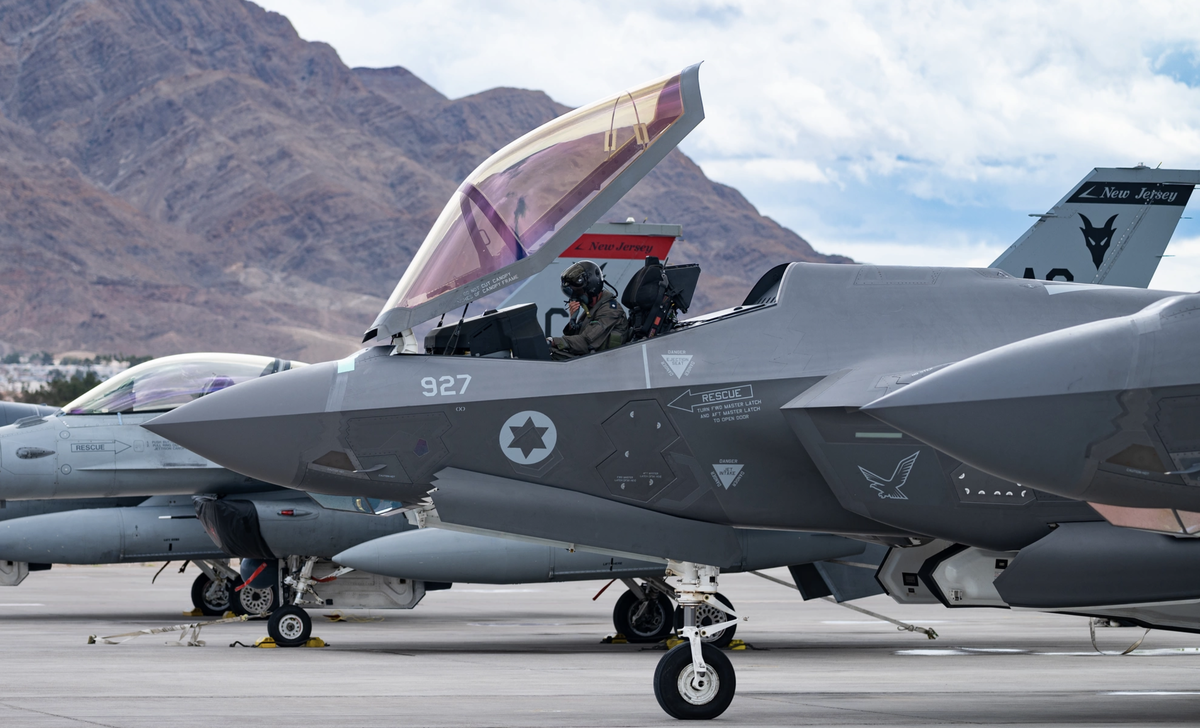
That account was reported by U.S. media, including POLITICO, which cited sources described as familiar with internal White House discussions. According to those sources, some senior presidential advisers allegedly prefer an Israeli operation to come first, with the expectation that Iran would retaliate—creating clearer justification for subsequent American intervention.
The logic, as described in the reporting, is rooted less in battlefield sequencing than in domestic politics. Recent opinion polling has suggested limited public appetite in the United States for a large-scale military campaign against Iran without a direct trigger. In that context, an Iranian response to an Israeli strike could shift the public argument from “preventive war” to “response to aggression,” making it easier for Washington to claim necessity rather than choice.
At the same time, the same sources cautioned that the most likely path forward remains a joint U.S.-Israeli operation, rather than a strictly sequential one. That distinction matters: a coordinated campaign would blur the line between “Israel acted first” and “the U.S. chose to enter later,” even if the initial strike package were Israeli-led.
Officially, however, the White House is not validating the premise. Asked about the reports, White House spokeswoman Anna Kelly said media outlets can speculate, but final decisions are made exclusively by the president. The Israeli Embassy in Washington declined to comment publicly.
The reporting also lands amid a busy diplomatic and political week in Washington. A day earlier, Israeli Prime Minister Benjamin Netanyahu held meetings in the U.S. capital where Iran’s nuclear program and Tehran’s missile capabilities were discussed. In parallel, the American negotiating team continues diplomatic contacts with the Iranian side—signaling that even as military options are debated, the channel for talks remains open.
Behind the scenes, the administration is also weighing operational risk. One concern under review is the prospect of Iranian strikes on U.S. facilities in the region if a conflict escalates—an assessment that would shape not only whether Washington intervenes, but how it protects personnel and assets if hostilities begin.
For now, the picture that emerges is a familiar one in high-stakes foreign policy: competing tracks running at once. Private deliberations about sequencing and political cover are unfolding alongside public caution, diplomatic engagement, and contingency planning for retaliation—while both Washington and Jerusalem keep their official messaging tight.