Mysterious Stagnation: Why Russia's Defense Growth Might Be Stalling
In the backdrop of geopolitical tensions and ongoing conflict, Russia's defense sector has witnessed unprecedented growth over the past few years. However, as 2025 unfolds, there are emerging indicators that this rapid expansion may have reached its zenith. This article explores the dynamics behind Russia's military-industrial complex, its recent trajectory, and the challenges that lie ahead.
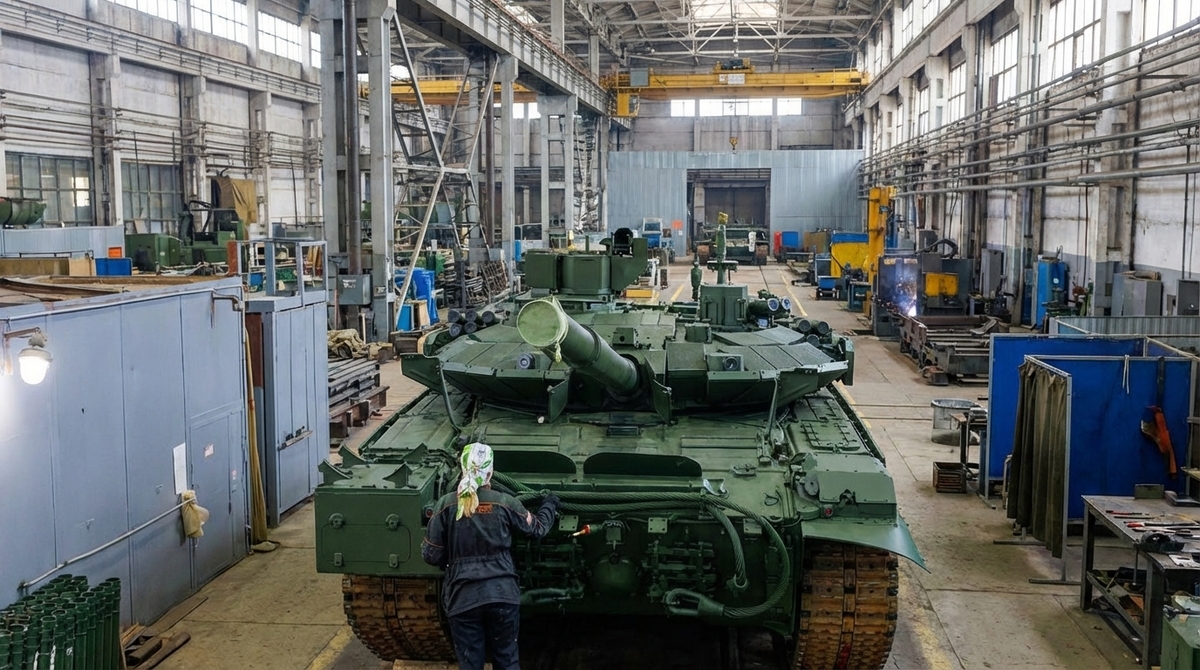
A Surge in Military Spending
Since the onset of the conflict in Ukraine, Russia has significantly increased its military expenditure. From a pre-war budget of 3.6 trillion rubles (39billion)in2021,thedefensespendinghassoaredtoanestimated13.5trillionrubles(147 billion) in 2025. This dramatic increase underlines Russia’s strategic emphasis on bolstering its military capabilities amid international pressures and sanctions.
Workforce Transformation
The defense sector's allure has drawn a substantial portion of the Russian workforce. With lucrative salaries on offer—some positions paying nearly double the national median wage—approximately 600,000 to 700,000 individuals transitioned into defense-related jobs between 2023 and 2024. This influx has brought the total employment in the defense sector to about 3.8 million, reinforcing its role as a cornerstone of Russia's economic framework.
Signs of a Slowdown
Despite these developments, recent data suggests a deceleration in the growth of Russia's defense industry. The Economic Development Ministry projects a mere 1% growth in industrial output for 2025, a significant drop from the robust 5.6% growth recorded the previous year. Key sectors, such as the production of fabricated metal products and electronics for military use, have seen their growth rates halved compared to 2024.
Import Challenges and Sanctions
Sanctions imposed by Western nations have begun to bite, particularly affecting the import of dual-use goods essential for military applications. Notably, imports from China, Russia's primary supplier, have declined, highlighting the challenges in maintaining a steady flow of advanced components necessary for military production.
Structural and Operational Hurdles
The defense sector is also grappling with internal challenges. Recruitment has slowed, with job vacancies in defense firms significantly reduced from their peak levels. Financial and operational issues plague several key companies, leading to layoffs and restructuring. Reports of graft and inefficiencies within state procurement processes further complicate the landscape.
The Impact of Sanctions
Sanctions have not only restricted imports but have also threatened Russia's ability to develop advanced weapons systems. The scarcity of critical components like microelectronics poses a long-term risk to the sustainability of Russia's defense production capabilities.
Future Outlook
Despite these hurdles, experts like Mathieu Boulegue from Chatham House suggest that Russia’s defense sector remains resilient, capable of maintaining its current output levels. However, the long-term effects of financial strain and sanctions could gradually erode this capacity, particularly in the high-tech domains of electronic warfare and precision targeting.
In summary, while Russia's defense sector has experienced a significant boom, 2025 may represent a turning point. The interplay of economic sanctions, internal challenges, and the evolving geopolitical landscape will likely shape the future trajectory of Russia's military-industrial complex. As the nation navigates these complexities, the sustainability of its defense expansion remains in question, potentially impacting its broader strategic objectives.