
Positive Developments for NATO’s Naval Forces in the Mediterranean
The Mediterranean Sea, once an arena of quiet rivalry between NATO and Russia, is undergoing a significant shift in the balance of power in 2025. While just a few years ago the Russian fleet in the Mediterranean was a significant factor in Moscow's military and political presence, today its footprint in the region is virtually disappearing.
NATO is currently observing a "clear decline" in Russian naval activity in the region, with Secretary General Mark Rutte stating that Russia's presence in the Mediterranean is "almost zero." The main turning point was the loss of the Syrian base in Tartus, a long-term logistical base for the Russian Navy. Built during the Soviet era, this base allowed Moscow to maintain a permanent squadron of several warships in the Mediterranean. With its de facto decommissioning, Russia lost its last base from which it could operate submarines in the Mediterranean. Without a foothold on the Syrian coast, Moscow has no alternative infrastructure at its disposal that could ensure the permanent deployment of its fleet in the region.
The weakening of Russia's presence is also visible in everyday maritime traffic. All combat vessels have gradually sailed away from the area, with the remaining ones being moved back to the Black Sea. In the fall of 2025, not a single combat unit remained in the entire Mediterranean, with the exception of a single logistics vessel—completely unaccompanied by combat ships. This development symbolically concludes one stage of geopolitical rivalry. The sea, where the interests of the great powers once clashed, is becoming an area where NATO once again has an unshakeable position.
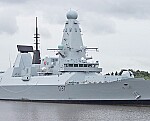
Loss of Russian foothold in Syria
The Russian base in Tartus was established in 1971 on the basis of a Soviet-Syrian lease agreement and has been a key pillar of Russian naval power projection in the Mediterranean for decades. It provided port facilities for repairs, supplies, and crew rotation, enabling the fleet to maintain a presence outside Russian waters. Its strategic location on the Syrian coast, close to key shipping lanes, gave Moscow the ability to monitor NATO movements and respond to developments in North Africa and the eastern Mediterranean.
However, this pillar began to crumble after 2024. With the fall of Bashar al-Assad's Syrian regime, the Kremlin lost its only permanent port outside Russian territory when, in January, the new Syrian government terminated the long-term agreement that allowed Russia's presence in the country. The disruption of logistical capabilities makes it impossible to deploy larger surface units for long periods of time. Without a Syrian base, Russia is unable to maintain a permanent presence, as its options are also limited by the uncomfortable situation in the Black Sea.
Furthermore, the loss of Tartus also signified a symbolic retreat of Russian influence in the Middle East. After two decades of strengthening its military position in the region, Moscow is losing not only a port but also political support. This marks the end of a period when the Russian fleet acted as a counterweight to the alliance's presence—and so today NATO's presence in the region is virtually unlimited.
Strengthening and adapting NATO in the Mediterranean
The retreat of Russia's naval presence has created a strategic opportunity in the Mediterranean that the alliance should quickly turn into tangible operational advantages. NATO should no longer allow only a symbolic presence—its activities in the region should be clearly systematic: more frequent patrols, more intensive exercises, better intelligence sharing, and targeted investments in capabilities that increase both deterrence and flexibility of response. Such adaptation would be not only quantitative but also qualitative: in particular, an emphasis on interoperability, anti-submarine warfare, and the security of undersea infrastructure.
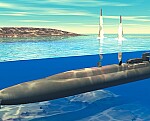
A key element of the Alliance's current activities is the systematic expansion and deepening of training practices. For example, the Dynamic Manta 25 exercise sent a clear signal: the alliance is improving its capabilities in detecting, tracking, and neutralizing undersea threats through the combined deployment of surface vessels, submarines, aircraft, and unmanned systems.
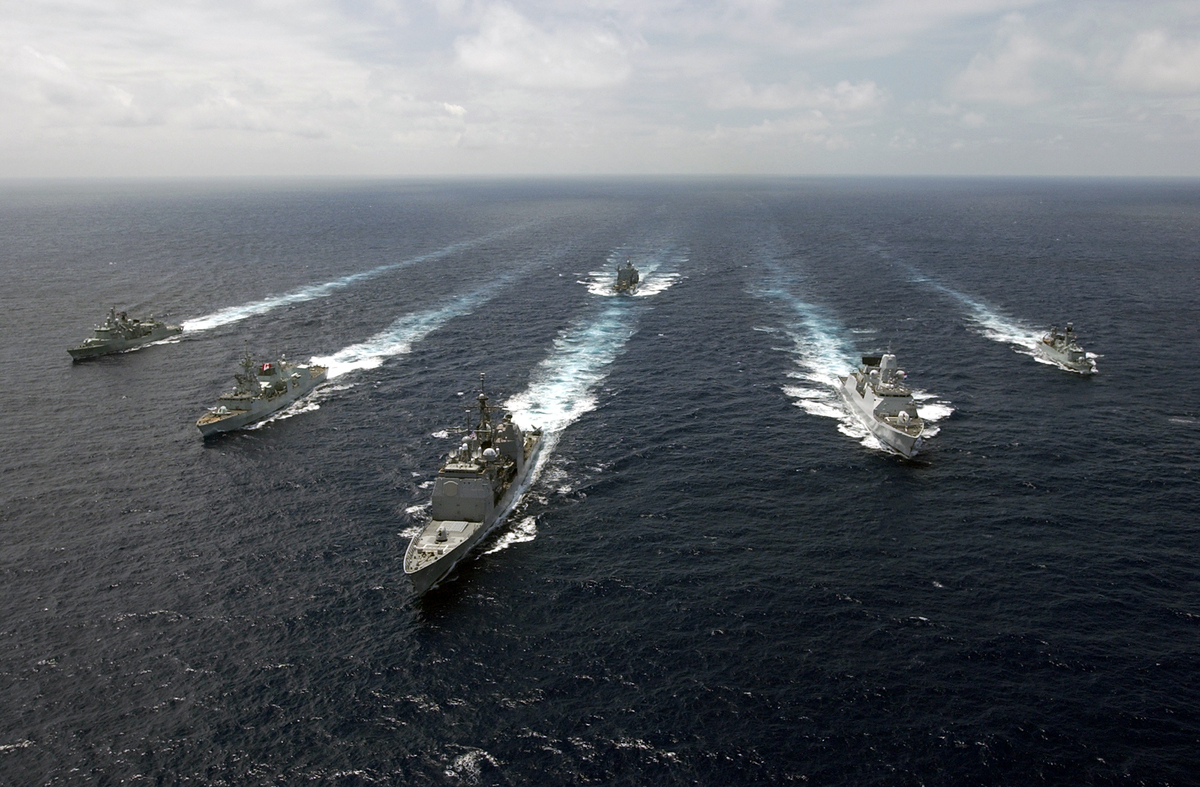
Anti-submarine warfare training strengthens the ability to protect sea lanes and critical undersea infrastructure—from cables to gas pipelines—and reduces the possibility that enemy submarines or hostile actions could disrupt key logistics lines. Nine surface ships, 13 aircraft, and more than 1,600 sailors from 11 NATO countries — Canada, France, Germany, Greece, Italy, the Netherlands, Portugal, Spain, Turkey, the United Kingdom, and the United States — participated in the exercise.
Complementing this, Mediterranean Strike 25, held from May 5 to 11, demonstrated the alliance's ability to conduct coordinated strike operations and integrate multiple domains: the navy, air force, and rapid response forces practiced joint planning, C2 (command and control), and sensor and weapon interoperability. This exercise emphasized that NATO is capable of conducting complex multilateral operations in the environment — and that the alliance can rapidly scale forces as needed.
Strategic adaptation is not limited to "major maneuvers." Let us mention a series of smaller but significant steps: strengthening regular patrols, expanding intelligence sharing among allies, and introducing new technologies—in particular, unmanned systems (UAVs and UUVs), underwater sensors, and automated surveillance networks. These assets increase persistent surveillance over a wider area and reduce the need for a permanent presence of large vessels, which is an effective way to ensure control over the vast Mediterranean region.
Politically and logistically, NATO's adaptation has other advantages: enhanced cooperation among southern members (Italy, Spain, Greece) has improved local logistics and readiness, while alliance command centers better coordinate resources from Gibraltar to the eastern Mediterranean. This creates a robust network that can respond quickly to hybrid threats—from cyberattacks on maritime infrastructure to sudden troop movements.
As a result, NATO has not only filled the vacuum left by Russia's presence, but has done so in a way that permanently increases its operational capability in the region. Systematic exercises, modernization investments, and improved information sharing together mean that the Alliance now has greater readiness and a broader range of tools for maintaining stability and deterrence in the Mediterranean.
Strategic implications: NATO's new dominance
Current developments confirm that by 2025, the Mediterranean Sea will have definitively become NATO's "internal sea." With the gradual decline of Russia's naval presence, the geopolitical center of gravity has shifted to the alliance, which now has not only numerical but also technological superiority. NATO forces have full control over key sea lanes from Gibraltar to the eastern Mediterranean.
This situation allows the alliance to shift its attention to other regions—particularly the Black Sea, where Russia still poses a certain challenge, and North Africa, where non-state security threats may arise. Furthermore, the stabilization of the Mediterranean gives NATO the opportunity to consolidate its forces and invest in long-term modernization programs, including unmanned systems and underwater sensors.