
The Mi-24 Is Gone: Hungary’s Quiet Helicopter Exit Explained
In early February 2026, Hungary ended the operational life of its Mi-24 attack helicopters—without ceremony, without fanfare, and with a finality driven as much by paperwork as by metal fatigue. After decades of service, the last airworthy aircraft reached the end of its service life, and the fleet slipped from “still flying” to “stored” almost overnight.
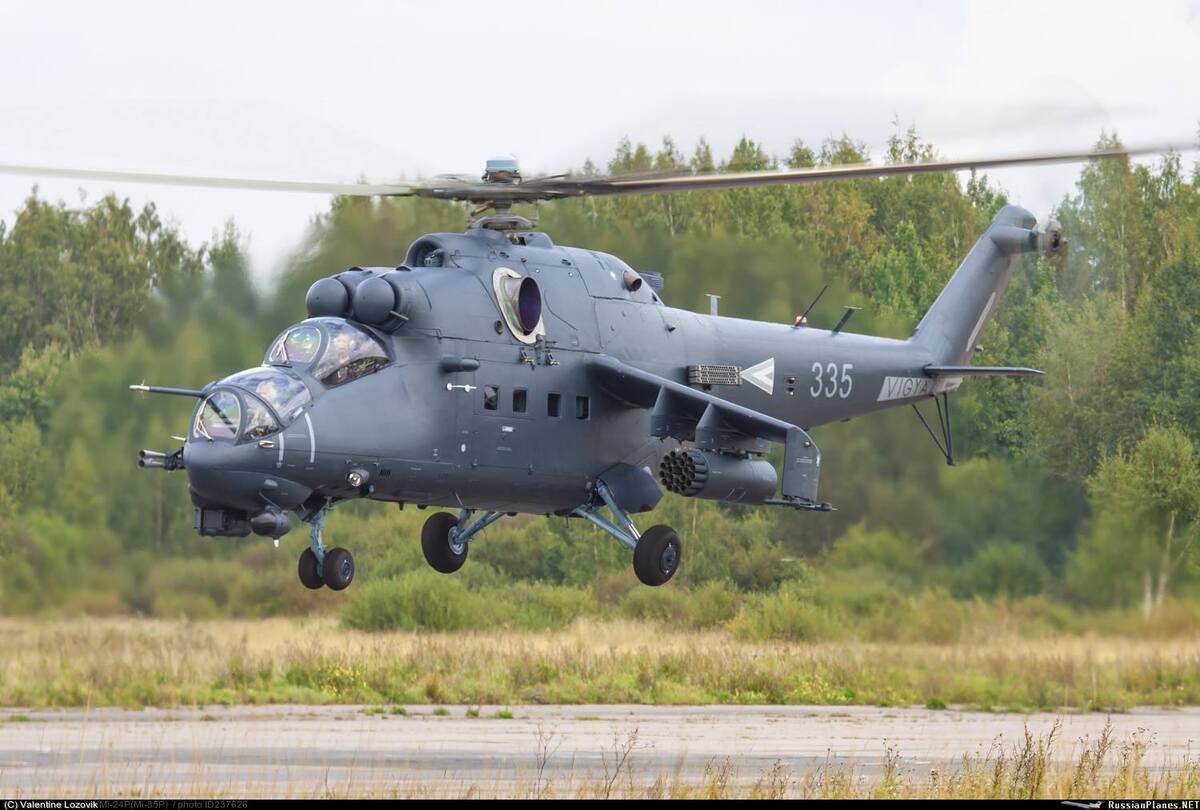
The last flight took place on February 4. On February 5, the airworthiness certificate of the final operational helicopter expired, as reported by Portal Militarny. That one-two sequence captures the tone of the phase-out: not a dramatic farewell, but a clean administrative cutoff once the remaining aircraft could no longer be kept legally and safely in the air.
From Soviet deliveries to a shrinking fleet
Hungary’s Mi-24 story began in 1978, when the first four Mi-24D helicopters arrived from the Soviet Union. They were part of a larger order totaling 30 aircraft—a substantial fleet on paper, built around the Cold War logic that attack helicopters were both battlefield tools and political signals.
Over time, Hungary expanded the fleet with upgraded Mi-24V variants. Then, in 1995, more airframes arrived from an unexpected source: Germany transferred additional used helicopters free of charge, aircraft that had previously served with the former East German Army. The numbers accumulated, but the ability to keep them active did not.
Economic strain and military downsizing steadily reduced how many helicopters could be maintained, crewed, and flown. Even a large inventory becomes small once budgets, spare parts, and flight hours tighten year after year.
The 2018–2019 overhaul: Extending life, not restoring relevance
After several years without flights, Hungary attempted a reset. In 2018–2019, eight helicopters underwent major overhauls at a Russian plant in St. Petersburg. The work included upgrades to the TV3-117 engines and cockpit adaptations to support night vision goggles—practical improvements aimed at making the aircraft usable again, especially for modern training and low-light operations.
This was also when the Hungarian Mi-24s took on their distinctive graphite-black paint scheme, a visual marker of a late-life revival. But the overhaul was ultimately an extension of airframe life and basic capability—not a transformation into a fully relevant modern attack platform.
Why their combat value became minimal
By the final period of service, Hungary’s Mi-24s had little real combat punch left—not because the airframe concept had suddenly become obsolete, but because the weapons pipeline had dried up.
- Hungary had no remaining stocks of 9M114 guided anti-tank missiles, removing the helicopter’s most important precision anti-armor option.
- The storage life of unguided S-5 and S-8 rockets had long expired. Because of safety risks, they were not even used for training.
- That left the 30 mm cannon of the Mi-24P variant as the only available weapon.
In other words, the helicopters could still be helicopters—crewed, flown, maintained to a point—but they were no longer credible as fully armed attack aircraft. When the only dependable weapon left is the gun, the platform’s role narrows sharply, and the justification for keeping it operational becomes harder to defend as airworthiness deadlines arrive.
What happens now: Storage at Szolnok - decisions later
With operations ended, the entire fleet has been towed to storage areas at the Szolnok airfield, where the helicopters will wait for a final decision on their future. The next steps could range from long-term storage to museum preservation to other forms of disposal—but the only confirmed point is that they are now parked and awaiting that decision.
What replaces the Mi-24: Airbus H145M
Hungary is replacing its Soviet-era attack helicopters with the Airbus H145M in the light attack role. Hungary received 20 H145M helicopters between 2019 and 2021, and these aircraft now represent the forward path: a modern fleet with current support, sustainment, and growth potential—rather than late-life extensions of aging airframes.
The transition also reflects a broader reality: retiring a platform isn’t just about the aircraft itself. It’s about whether the country can sustain engines, avionics, training, and—most critically—safe, usable munitions. In Hungary’s case, the Mi-24’s final years show what happens when airframes can be kept alive longer than the weapons and logistics that make them truly operational.