
US Troops are leaving Lithuania and Nobody knows what comes next
The departure of more than 1,000 US troops from Lithuania has begun, marking an unusual moment in the American military presence on NATO’s eastern flank. The withdrawal follows the completion of the latest US Army rotational deployment, but what makes this move stand out is not simply the end of one mission — it is the fact that a replacement force has not yet arrived.
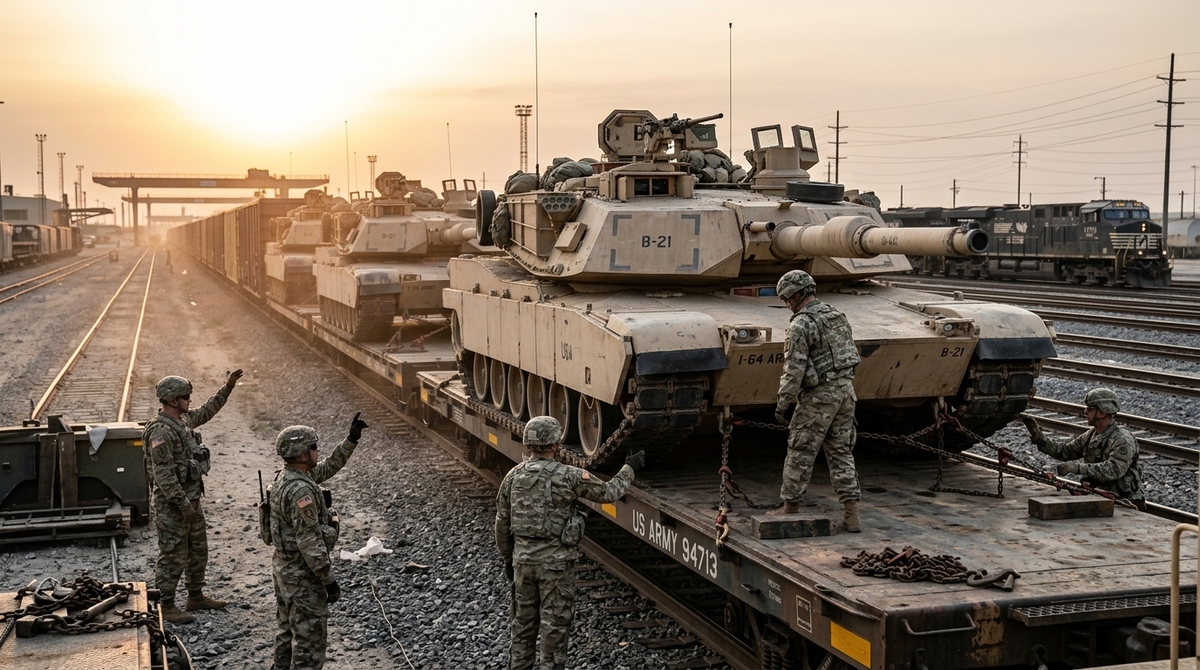
That break, however temporary, is notable. In recent years, troop rotations in Lithuania had typically taken place seamlessly, with incoming American units arriving before the outgoing contingent left. This time, the handover has not followed that pattern, drawing attention from regional observers and raising questions about what comes next for the US military footprint in the Baltic state.
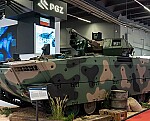
The departing unit, made up of more than 1,000 personnel and their equipment, had been stationed in Lithuania as part of the broader effort to strengthen NATO’s eastern defenses. Since 2019, US troops have maintained a rotational presence in the country to help deter Russia and reassure allies in the region. After Russia launched its full-scale invasion of Ukraine in 2022, that presence was expanded and shifted into a continuous rotational model, with reinforced battalion-sized formations regularly deployed alongside armored vehicles, artillery, and support elements.
Against that backdrop, even a short gap in rotations naturally stands out.
Lithuanian officials, however, are moving to calm concerns. Deividas Matulionis, National Security Advisor to the Lithuanian president, said Vilnius has received firm assurances from Washington that American troops will remain in the country. While he did not specify how many troops would be present going forward, his message was clear: Lithuania does not interpret the current transition as a sign of weakening US commitment.
That distinction matters. In a region where military posture carries both practical and symbolic weight, even routine changes can send wider signals. The Baltic states have long viewed the American presence as a central pillar of deterrence, especially as security tensions with Russia remain high. For Lithuania, the continued visibility of US forces is not only about battlefield readiness but also about political reassurance.

Still, unanswered questions remain. Neither the arrival date of the next US rotation nor the size of the future contingent has been officially announced. That leaves open the possibility that Washington could be adjusting the format of its presence, even if it is not reducing its strategic focus on Lithuania or the wider Baltic region.
For now, the message from Vilnius is one of confidence rather than alarm. Lithuanian leaders say they trust the United States and believe the American role in regional defense remains intact. But until the next rotation is confirmed, the current withdrawal will continue to be watched closely — not because it signals an immediate change in policy, but because on NATO’s eastern flank, even small shifts in military presence can carry outsized significance.