


Czech L-39NG Jets for Ukraine: Useful Drone Hunters, but Delivery Speed Is the Real Question
The Czech Republic’s willingness to supply Ukraine with 16 L-39NG Skyfox aircraft could give Kyiv a new tool in the fight against Russian drones. But the military value of the aircraft is only one part of the story. The bigger issue is whether Czech industry can deliver them quickly enough to make a near-term difference.
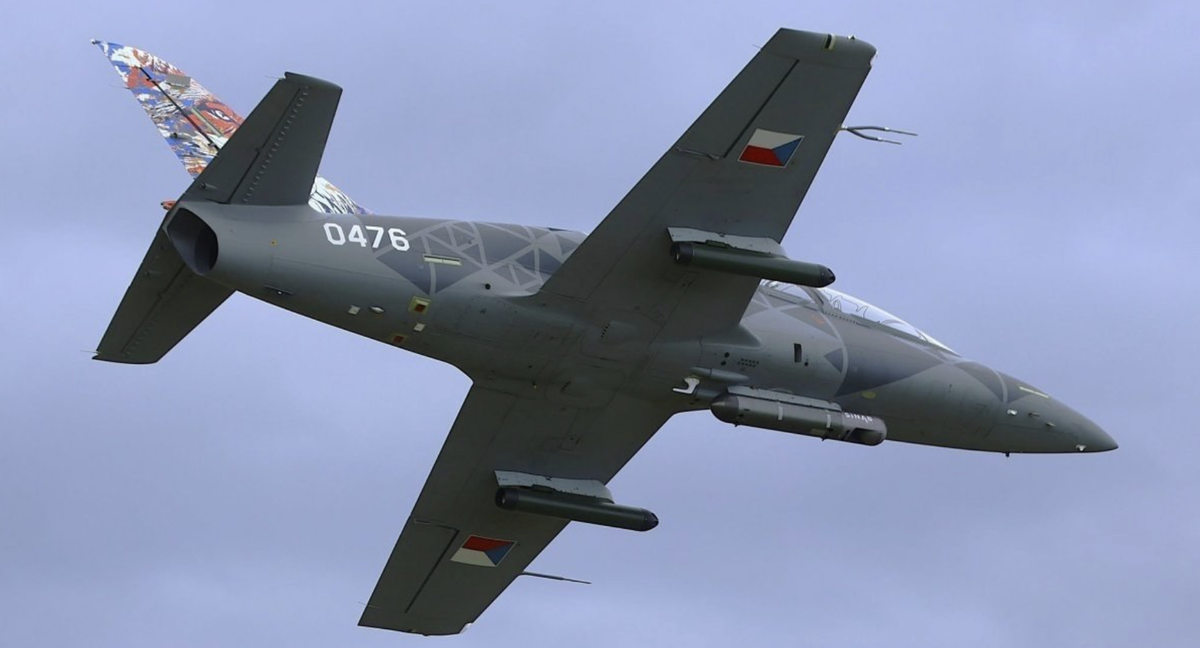
The L-39NG Skyfox, produced by Aero Vodochody, is primarily known as a modern trainer-combat aircraft. For Ukraine, however, its potential role goes beyond pilot training. In a “drone hunter” configuration, the aircraft could be used against Shahed-type attack drones and other Russian unmanned systems that continue to pressure Ukrainian cities, infrastructure, and air-defense networks.
That makes the proposed transfer politically important and operationally interesting. Yet it also raises a practical question: how soon could Ukraine actually receive these aircraft?
From Four Aircraft to a Possible Fleet of Sixteen
During a visit to Kyiv, Czech Deputy Prime Minister Karel Havlíček said that Czechia was ready to provide Ukraine with 16 L-39NG Skyfox aircraft. According to available information, the idea initially involved only four aircraft, but the discussion has now expanded to include 12 additional jets.
So far, the key details remain unclear. There has been no official confirmation of the delivery schedule, and the funding mechanism has not been disclosed. That matters because aircraft transfers are not just political announcements. They require contracts, financing, production slots, technical preparation, pilot and maintenance training, spare parts, weapons integration, and logistics.
In other words, the statement is promising, but the timeline will determine its real military impact.
Production Capacity Is the Main Bottleneck
Aero Vodochody is not starting from an empty factory floor. As of September 2026, the company reportedly had an order backlog of 40 L-39NG Skyfox aircraft. Its annual production capacity is around 12 aircraft.
On paper, that means the existing backlog already represents roughly four years of production. If Ukraine’s 16 aircraft are not already included in that queue, then fulfilling the order could require either reprioritizing existing contracts, expanding production capacity, or accepting a longer wait.
This is the central challenge. Sixteen aircraft is not a huge number by combat aviation standards, but for a production line building 12 aircraft per year, it is a significant commitment.
Best-Case and Worst-Case Delivery Scenarios
There are two broad scenarios.
In the optimistic case, aircraft intended for Ukraine may already be in production or could be redirected from existing production slots. If financing is secured quickly and administrative barriers are removed, initial deliveries could potentially happen within several months.
In the slower scenario, production for Ukraine has not yet begun. If all 16 aircraft need to be built from the start, the manufacturing process could take between one and two years, depending on production scheduling and whether Aero Vodochody can accelerate output.
Even that estimate does not include all possible complications. Aircraft must be configured for Ukraine’s needs, crews must be trained, and the aircraft must be integrated into Ukraine’s broader air-defense and aviation system.
Why the L-39NG Makes Sense for Drone Defense
Ukraine does not need every aerial threat to be countered by expensive fighter jets or advanced surface-to-air missiles. Russian Shahed-type drones are relatively cheap, numerous, and often used in waves. Shooting them down with high-end interceptors can be militarily necessary, but economically inefficient.
That is where a lighter aircraft such as the L-39NG could be useful. If properly equipped, it could help patrol airspace, intercept slower drones, and reduce pressure on Ukraine’s ground-based air defenses.
The Skyfox would not replace systems such as Patriot, NASAMS, IRIS-T, Gepard, or mobile interceptor-drone teams. Instead, it could fill a niche between traditional combat aircraft and ground-based defenses. Its value would depend on sensors, weapons, operating costs, response time, and how well it can function in Ukraine’s highly contested airspace.
A Training Aircraft With Combat Relevance
Another important advantage is training. Ukraine is modernizing its air force while simultaneously fighting a full-scale war. That creates a constant demand for pilot training platforms.
The L-39 family is already familiar in the region, and the L-39NG represents a modernized version with improved systems and broader utility. For Ukraine, the aircraft could therefore serve two roles: supporting pilot training and contributing to air defense against drones.
This dual-use nature makes the transfer more attractive. Even if the aircraft’s drone-hunting role proves limited by battlefield conditions, the Skyfox could still help prepare Ukrainian pilots for more advanced aircraft.
The Political Signal Is Clear, but Execution Matters More
Czechia has become one of Ukraine’s most active European defense supporters, especially through ammunition initiatives and military-industrial cooperation. The possible L-39NG transfer fits into that broader pattern: Prague is not only offering weapons from storage but also looking at industrial production as part of long-term support.
Still, Ukraine’s most urgent need is speed. A promise of 16 aircraft is valuable, but aircraft delivered in months have a different strategic meaning than aircraft delivered years later.
If Czechia, Aero Vodochody, and Ukraine can resolve funding and production priorities quickly, the L-39NG Skyfox could become a useful addition to Ukraine’s layered defense against Russian drones. If not, the aircraft may serve more as a longer-term investment in Ukraine’s aviation capacity than as an immediate answer to the Shahed threat.
For now, the L-39NG proposal should be seen as a serious opportunity with one decisive condition: delivery speed. The aircraft may be capable, relevant, and politically important, but its real value will be measured by how quickly it reaches Ukrainian runways.


