
From Cold War Defence to Active Pursuit: UK and Norway Target Russia’s Underwater Threat
On 8 December 2025, the Royal Navy announced a major doctrinal shift in its approach to countering Russian submarines. The announcement comes amid escalating tensions between Russia and the West, driven by the war in Ukraine and growing threats to critical European undersea infrastructure.
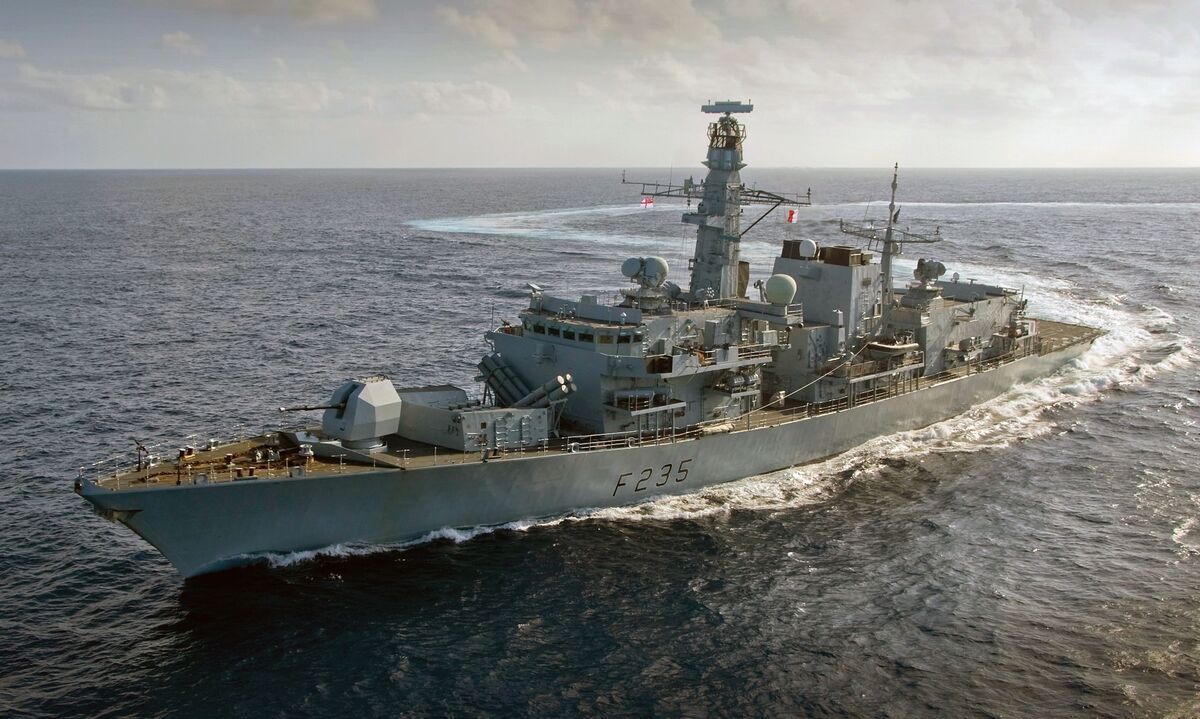
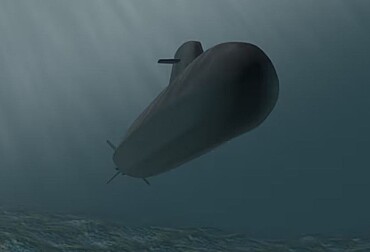
The Royal Navy is now openly adopting a strategy of actively hunting Russian submarines. British military leaders confirm that artificial intelligence has become a cornerstone of this new doctrine, which aims to secure the seabed around the United Kingdom over the long term. At the heart of this transformation is the Atlantic Bastion programme, which integrates warships, aircraft, and AI-equipped autonomous vehicles to establish permanent undersea surveillance.
This tougher stance responds to what London regards as an alarming trend: according to the UK Ministry of Defence, Russian submarine activity in waters around the British Isles has risen by 30% in the past two years. Defence Secretary John Healey summed up the new policy bluntly: the UK is now “hunting” Russian submarines — a statement that marks a clear departure from Britain’s traditionally restrained military rhetoric.
Protecting critical underwater infrastructure has become a top priority. Telecommunications cables, pipelines, and offshore energy installations are now seen as potential targets. The sabotage of the Nord Stream pipelines has sharply heightened this concern. British leaders believe the defensive posture inherited from the Cold War is no longer adequate against a Russia perceived as increasingly bold.
First Sea Lord Admiral Sir Gwyn Jenkins justified the shift by stressing the need to keep pace with constantly evolving threats, declaring that the Royal Navy is “a navy that thrives when allowed to adapt and evolve.” The UK is not acting alone. London and Oslo have agreed to deploy a joint force of at least 13 anti-submarine-warfare frigates and support vessels to monitor Russian submarines in the North Atlantic. This force will focus on the strategically vital GIUK (Greenland–Iceland–United Kingdom) gap — the primary transit route for Russian submarines leaving the Arctic.
The partnership includes specialised frigates, maritime patrol aircraft, and autonomous underwater drones fitted with advanced acoustic sensors. Together, these assets will form a persistent underwater detection network under the Atlantic Bastion initiative, significantly reducing the grey zones that Russian submarines have previously exploited. The Royal Navy has already experienced tense encounters with Russian forces. One notable incident involved the Russian oceanographic research vessel Yantar, suspected of intelligence-gathering, which was shadowed by a British attack submarine in UK waters. Such episodes have helped drive the political momentum behind the new doctrine of active deterrence.
The war in Ukraine has acted as a strategic catalyst. The conflict has demonstrated Russia’s willingness to blend conventional warfare with sabotage and hybrid tactics. For British planners, the undersea domain has become a new front in the confrontation with the Kremlin. The large-scale integration of artificial intelligence into Royal Navy operations is reshaping the European naval balance. Atlantic Bastion is not merely an upgrade; it represents a structural transformation in how underwater threats are detected, tracked, and neutralised. Initial operational capability is expected in early 2026.
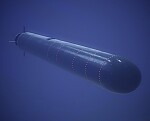
The message to Moscow is unambiguous: the UK can now detect Russian submarines near its shores with unprecedented speed and is prepared to adopt an offensive posture to protect its interests. John Healey has described the emerging force as a “highly advanced hybrid capability” designed to detect, deter, and — if necessary — neutralise threats. The announcement carries wider implications for the war in Ukraine. It strengthens Western deterrence against potential Russian attacks on the maritime energy infrastructure that supplies Europe and allows Ukrainian and other allied forces to focus elsewhere by shouldering a larger share of North Atlantic surveillance.
The first contracts related to Atlantic Bastion have been announced for an initial amount of several hundred million euros. These investments are expected to extend over several years, involving shipyards, drone manufacturers, and military artificial-intelligence specialists.
Moscow has not officially responded, but the public declaration that Britain is now actively hunting Russian submarines is itself a political act. Through this assertive posture and sophisticated technological display, London seeks both to deter Russia and to reassure its European allies at a time when undersea infrastructure has become a new battleground in the broader confrontation.