Ka-52M Secret 30mm Upgrade? Analysts Say It’s Probably Just Standard Ammo
Russian military-linked sources have released video they say shows upgraded Ka-52M attack helicopters shooting down Ukrainian drones using newly introduced programmable 30mm airburst ammunition. But analysts and even some Russian commentators argue the available evidence does not support the claim, pointing instead to conventional cannon rounds and unresolved technical hurdles around integrating airburst programming into the Ka-52M’s gun system.
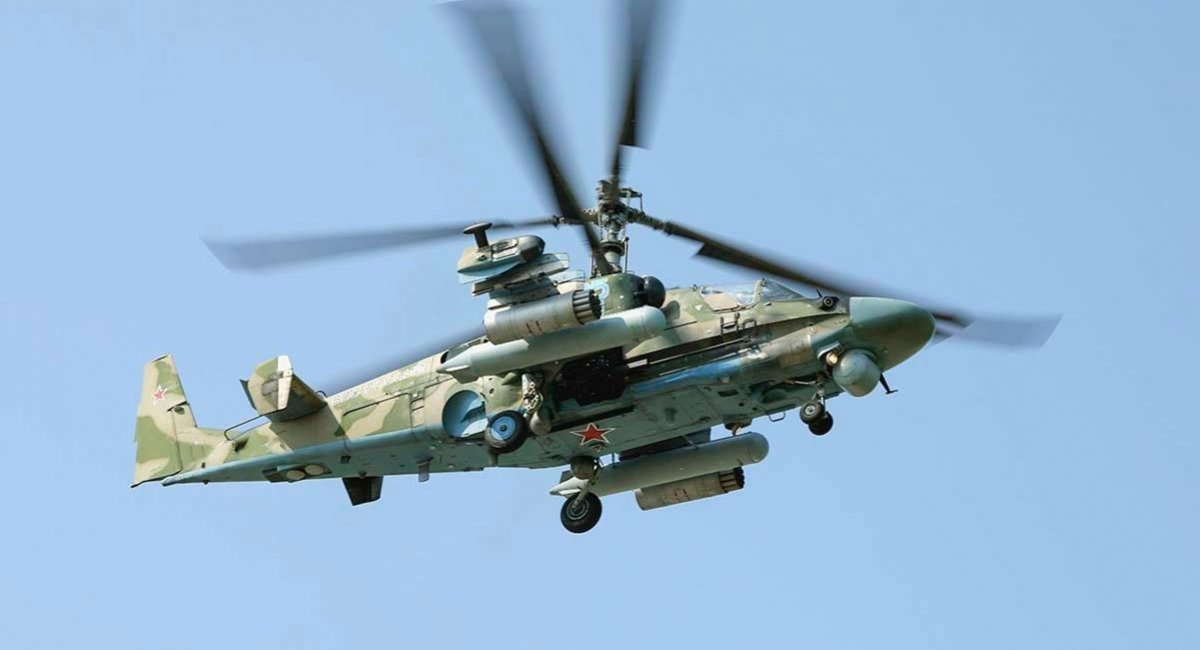
The compilation video shows multiple Ukrainian unmanned aerial vehicles being engaged with the Ka-52M’s 30mm automatic cannon. Russian sources describe the interceptions as having been carried out with new programmable rounds designed specifically for counter-drone missions.

The ammunition was publicly presented earlier this month at the World Defense Show 2026 in Saudi Arabia, where Russian participants have continued to exhibit products. Russian representatives described the concept as a fire-control-driven solution: the system calculates an optimal detonation point based on the target’s flight path, then programs the fuze timing automatically via an optical data link so the round detonates near the drone and defeats it with shrapnel.
Russian claims also state the rounds can be fired from standard 30mm 2A42 automatic cannons. However, specialists note that the 2A42 in its standard configuration cannot program airburst munitions. To do so, the weapon typically requires a dedicated programming device integrated into the breech area or mounted at the muzzle—hardware that also demands deeper integration with the fire-control system. Such modifications are not considered a simple “drop-in” change, and questions remain about whether the Ka-52M fleet has actually received the necessary upgrades.
In the video itself, there is no clear visual indicator that programmable airburst rounds are being used. Tracer rounds are repeatedly visible in the firing sequences—something more commonly associated with conventional ammunition. Programmable airburst rounds typically do not include tracers. Observers also argue there would be little practical reason to mix programmable and non-programmable rounds in the same ammunition belt, since airburst effects depend on consistent fuze programming and predictable ballistic behavior.
The apparent effects on targets also fuel skepticism. In several clips, drones explode soon after being hit. That pattern is consistent with either the detonation of a drone’s own warhead or direct impacts from conventional 30mm high-explosive rounds such as the 3UOF8 high-explosive incendiary or 3UOR6 high-explosive tracer—both of which are capable of causing catastrophic damage.

Programmable airburst rounds, by contrast, are designed to detonate near a target and destroy it primarily through a fragmentation cloud. Critics argue that while this can shred airframes and control surfaces, it is less likely to reliably trigger immediate warhead detonation as frequently as the video appears to show.
A comparison frequently cited by analysts is the engagement pattern seen with the Skynex air defense system, which uses programmable airburst ammunition against Shahed-type drones. In those interceptions, drones often lose stability after multiple hits and fall rather than detonating immediately—an effect that differs from the repeated near-instant explosions shown in the Ka-52M compilation.
Based on these factors, observers conclude the Ka-52M engagements in the video were most likely conducted with conventional 3UOF8 and 3UOR6 ammunition rather than the newly unveiled programmable rounds.
The footage also draws attention to apparent limitations in the Ka-52M’s optics and targeting feed. The image quality appears relatively low, with frequent glare and overexposure. Stabilization looks inconsistent, and the feed freezes at times. Some analysts also suggest the targeting station either lacks automatic tracking or that crews are not using it in these clips.
Even so, the video indicates Russian crews can engage Ukrainian drones effectively with cannon fire alone, reportedly downing several UAVs per sortie in some instances. Analysts note that if programmable airburst rounds are eventually fielded on Ka-52M helicopters with the required fire-control and gun modifications, counter-drone effectiveness could increase further.
The episode also underscores the broader evolution of counter-air tactics on both sides, including Russia’s reported interest in placing air-defense missiles and MANPADS on long-range drones as another way to threaten manned aviation assets.