
Kyiv’s Brutal Winter: Russian Strikes Overwhelm Ukrainian Air Defenses, Zelenskyy Pleads for Daily Missile Aid
Kyiv is enduring one of its harshest winters since Russia’s full-scale invasion began in 2022, characterized by frequent power outages, prolonged air raid alerts, and an intensity of aerial attacks not seen in previous years. With the energy sector under severe strain from repeated Russian strikes, President Volodymyr Zelenskyy has intensified appeals to Western allies for accelerated deliveries of air defense systems and interceptor missiles.
This escalation follows a pattern of methodical Russian targeting of critical infrastructure – power grids, heating plants, substations, and water facilities – that has persisted since late 2022 but reached new peaks in the 2025–2026 winter campaign. Since a major attack on January 24, 2026, over 1,600 buildings in Kyiv alone have been left without heating, with repairs slowed by sub-zero temperatures (often -15°C to -20°C) and ongoing alerts. Residents have adapted to multi-day blackouts, rolling outages limiting electricity to just 3–4 hours daily in many areas, and widespread reliance on generators for basic warmth and lighting.
Ukrainian officials, including Zelenskyy, report that Russian forces launched over 1,700 attack drones (primarily Shahed-type, plus Gerbera and Italmas variants), more than 1,380 guided aerial bombs (KABs), and dozens of missiles in a single recent week–volumes surpassing prior peaks and straining defenders. These barrages, often combining hundreds of low-cost drones with high-value ballistic and cruise missiles (e.g., Iskander-M, Kh-22/32, Zircon hypersonics), aim to overwhelm air defenses, degrade energy generation (now at roughly 40–50% of pre-war capacity in some estimates), and exploit winter conditions to maximize civilian hardship.
Ukraine’s ground-based air defense network has evolved significantly since 2022, transitioning from primarily Soviet-era systems to a hybrid layered architecture integrating Western platforms. Key components include:
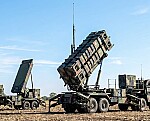
- Patriot PAC-3 (US/Germany/Netherlands-supplied): Long-range systems (up to 150 km) effective against ballistic missiles, cruise missiles, and aircraft. Ukraine operates a limited number of batteries (fewer than a dozen delivered since 2023), with one unit reportedly downing over 140 ballistic missiles to date. Efficiency is high against high-threat targets (e.g., Iskander), but interceptor stocks (PAC-3 MSE) remain finite (estimated hundreds), and systems are vulnerable to drone saturation or direct strikes (e.g., recent Russian claims of hits via FPV/Starlink-equipped drones).
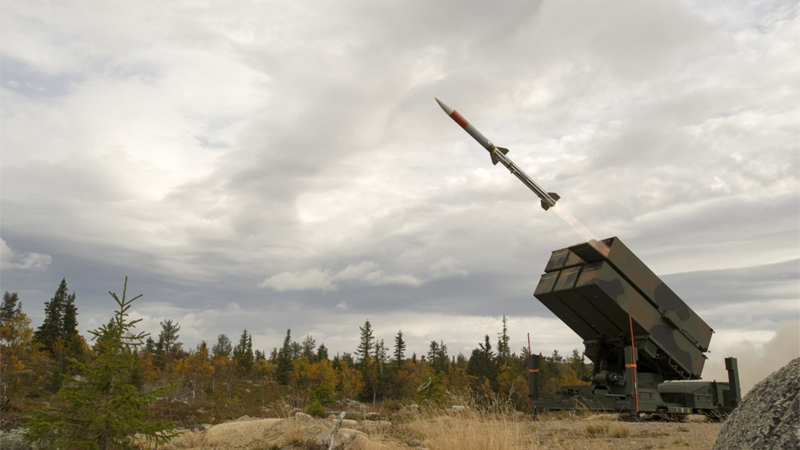
- NASAMS (US/Norway/Canada/Lithuania): Medium-range (up to 50 km), highly mobile, with strong performance in Ukraine (claimed >90% intercept rates in some engagements). Multiple batteries are operational, recently bolstered by Norwegian missile deliveries in January 2026. Effective against cruise missiles, drones, and aircraft.
- IRIS-T SLM/SLS (Germany): Medium- and short-range (up to 40 km for SLM), with nine systems delivered by early 2026 (half of a promised 18, plus new orders for 18 more). Praised for mobility and integration; used in combined intercepts with Patriots and legacy systems.
- Legacy Soviet systems (S-300, Buk, Tor): Still form the backbone for volume defense, covering wide areas against aircraft and some missiles, but munitions are depleting, and they struggle with saturation attacks.
Ukraine has innovated with mobile fire groups using MANPADS, interceptor drones (thousands deployed), and electronic warfare to preserve expensive interceptors. Recent Zelenskyy announcements include transforming air defense via small mobile groups and interceptor drones for short-range threats, with a new deputy Air Force commander overseeing this shift. Overall efficiency varies: high (>80–90%) against drones in good conditions, but lower against massed ballistic salvos due to limited high-end interceptors. Russian adaptations (e.g., Starlink on drones for extended range/EW resistance) and sheer volume (hundreds daily) often result in breakthroughs, causing extensive damage despite intercepts of 70–90% in major barrages.
Zelenskyy has redoubled diplomatic efforts, emphasizing during his January 2025 Vilnius visit that Ukraine requires “interceptor missiles every day” to sustain defenses. Lithuania, a steadfast supporter, pledged nearly 100 generators to aid heating in affected municipalities. Talks with President Gitanas Nausėda also covered expanded military cooperation, including potential arms export platforms in Vilnius and initiatives like PURL/SAFE for joint procurement. Meanwhile, US-mediated discussions continue, with no major announcements yet but a follow-up meeting slated in Abu Dhabi.
This intensified Russian campaign underscores Ukraine’s urgent need for more systems (e.g., additional Patriots, NASAMS, IRIS-T) and missiles to close gaps. Without sustained allied support, the energy crisis risks deepening into a broader humanitarian challenge amid freezing conditions.