
North Korea Fired About 10 Missiles - Here’s What the Early Data Shows
Japan’s Ministry of Defence reported that North Korea launched roughly 10 ballistic missiles toward the Sea of Japan. The launches came from the country’s west coast and headed in a northeasterly direction. Radar stations operated by the Japan Self-Defense Forces detected the missiles immediately after launch, turning a distant event into a near-instant operational problem: identify, track, estimate, and decide.
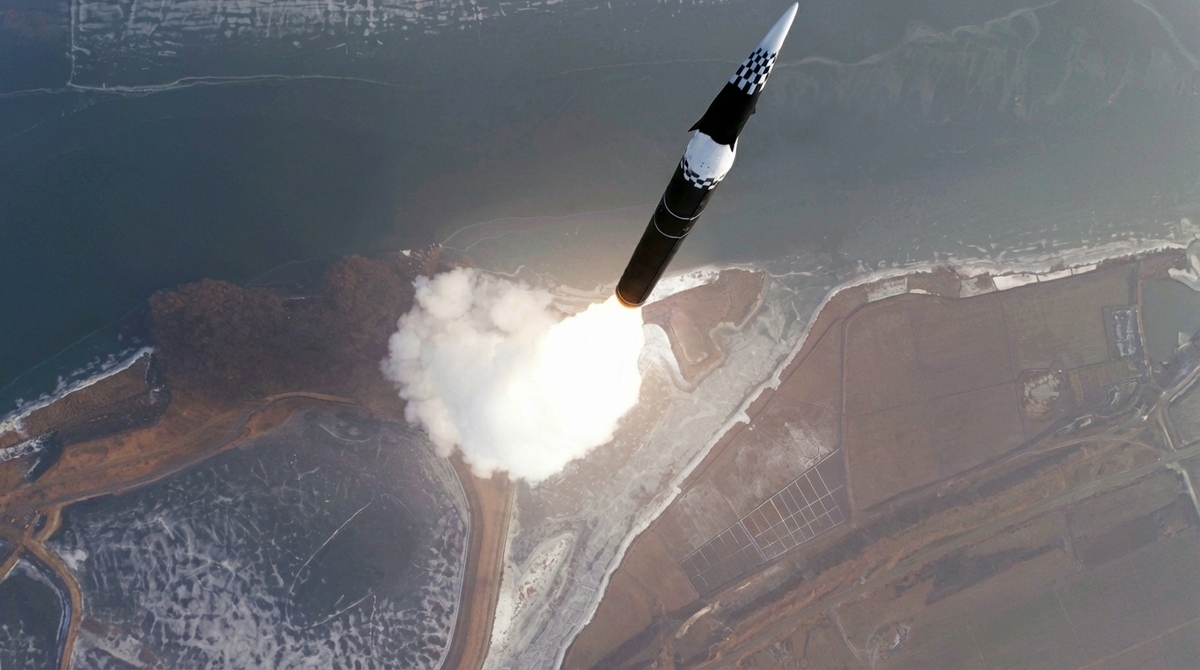
Preliminary data suggested the missiles traveled about 340 kilometers, reaching a maximum altitude of 80 kilometers. Those numbers matter because they translate spectacle into parameters—range, arc, and time—used to judge what was fired, where it could go, and how quickly authorities must respond.
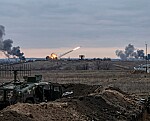
That response began at the center of government. An anti-crisis headquarters at the Prime Minister’s Office started coordinating actions across relevant ministries and emergency services. In moments like this, coordination is its own form of defense: aligning information, avoiding mixed messages, and ensuring that the right agencies move in sequence rather than in parallel confusion.
The launches also fit into a broader pattern of early-year testing activity. On January 4, 2026, North Korea conducted its first missile tests of the year. A missile launched from the west coast was detected by radar at 07:54, between 7 and 8 a.m. local time. In other words, this isn’t an isolated spike so much as a continuation—events separated by months, connected by the same essentials: launch point, detection, and the rapid shift from routine to response.
What stands out is how compressed the timeline has become. The missiles are airborne, radar sees them immediately, preliminary flight data follows, and the government’s crisis machinery engages—all while the public is still catching up to what “13:24” even means for their day. Modern security incidents don’t begin with impact; they begin with detection.
And once detection happens, the story is no longer only about what was launched. It becomes about what a country can do in the first minutes after the launch—how fast it can gather facts, coordinate agencies, and communicate clearly while the tracks are still fresh on the screen.