
PGZ and CSG jointly promote the Modular Mine Laying System on 6x6 Tatra chassis during the BEDEX 2026
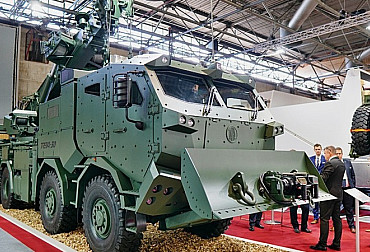
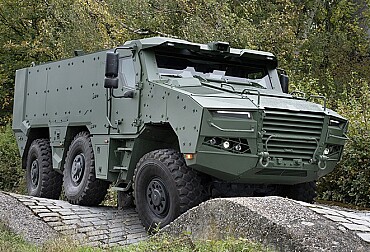
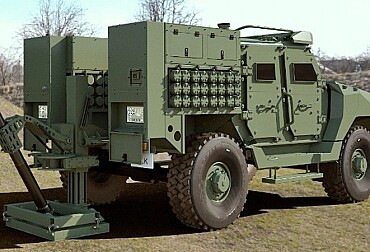
During the BEDEX 2026 exhibition, Polska Grupa Zbrojeniowa (PGZ) and the Czech holding Czechoslovak Group (CSG) jointly presented the Modular Mine Laying System mounted on a Tatra 6×6 chassis.
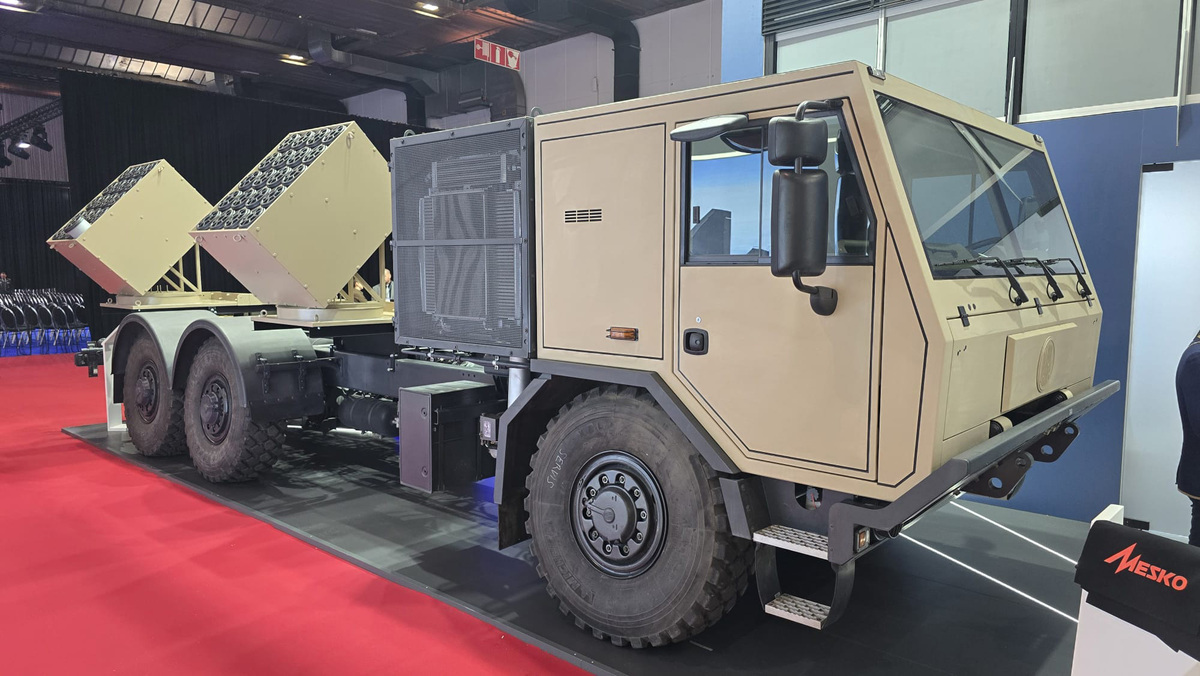
As the full-scale prototype of this configuration was publicly unveiled on 9 February this year at the World Defense Show 2026 in Riyadh, the Polish-Czech consortium is willing to promote this system both in the Middle East and on European markets, under the agreement signed by both parties. As Polska Grupa Zbrojeniowa told DEFENSE MAGAZINE, „ The Modular Mine Laying System is one of our key product projects with significant export potential; however, due to trade secrecy and ongoing processes on both our Group’s side and that of our partners, including foreign partners, we are not disclosing details at this stage.”
On 11 March, CSG and PGZ also concluded a Framework Cooperation Agreement, establishing the basis for deeper industrial, technological, and business collaboration. The agreement opens the way for expanding existing cooperation, including projects related to ammunition production and armored tactical vehicles.
As the DEFENSE MAGAZINE has learnt from PGZ „The Modular Mine Laying System has significant export potential, as many countries are currently seeking modern, mobile, and scalable anti-access systems of this class. This is also why we decided to establish cooperation with CSG, whose platforms form the backbone of logistics in many countries. As the name suggests, the system is modular in nature, meaning that its configuration—including the choice of carrier, number of modules, and additional equipment—is tailored to the requirements of a specific customer. Therefore, we do not refer to a single “final configuration.”
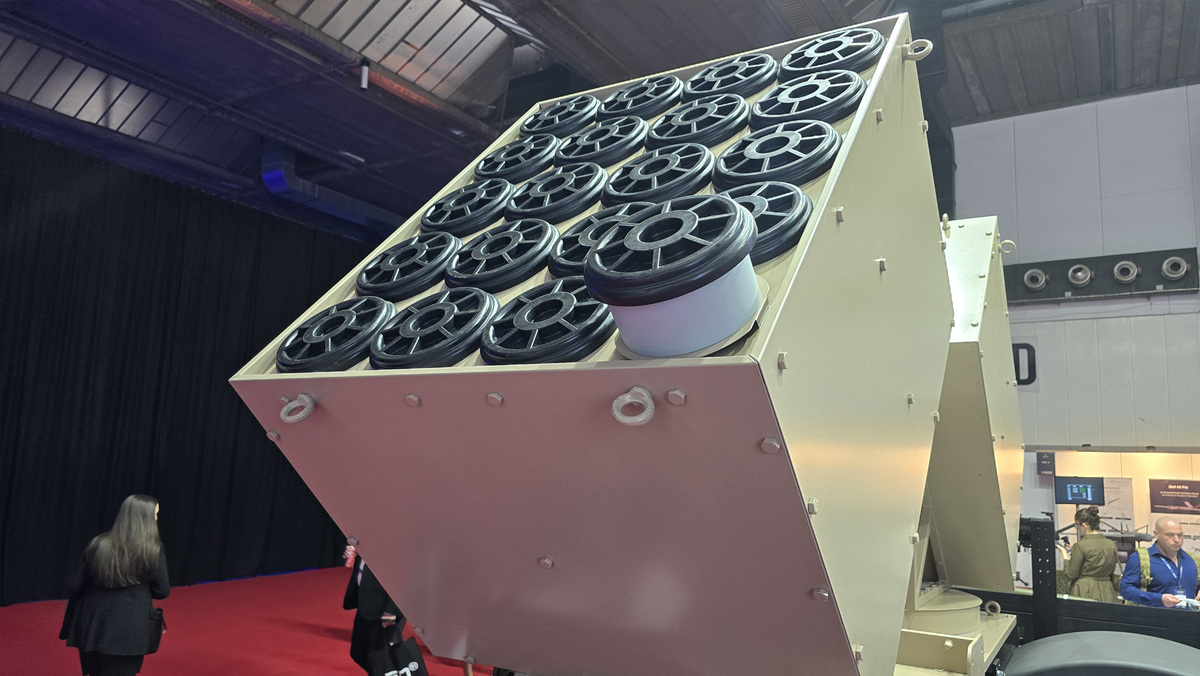
The Modular Mine Laying System (MSMN / MMLS) is a solution developed and manufactured by Bydgoskie Zakłady Elektromechaniczne Belma, a PGZ company. The system is characterized by full automation of minefield deployment, allowing different field sizes, mine densities, and self-neutralization times. The minefield depth ranges from 60 to 180 meters, and its length can reach up to 1,800 meters. Belma also produces the MN-123 scatterable mines used in the system.
The system is designed as a configurable solution, enabling adaptation to specific user requirements. In Poland, it is known as the PMN Baobab-K and has been delivered to the Polish Armed Forces since 2023. Additionally, on 31 December 2025, Huta Stalowa Wola was tasked with developing a tracked version, the TMN Baobab-G, which will replace older Kroton mine-laying systems based on the SPG-2A armored transporter. An unmanned or optionally manned system, Bluszcz, has also been developed.
The MSMN, Baobab-K, Baobab-G, and Bluszcz systems use MN-123 anti-tank scatterable mines. These mines have a diameter of 180 mm, a height of 90 mm, and weigh 3.7 kg. They may be equipped with EFP (Explosively Formed Penetrator) warheads capable of penetrating up to 60 mm of armor. The detonation can be triggered by magnetic, delayed, or immediate fuzes. Mines can be programmed before deployment to detonate after a specific time or after a certain number of vehicles pass over them. In accordance with international conventions, the mines are neutralized after a set period, either through self-destruction or deactivation.