
Poland Proposes MiG-29 Swap: Aging Fighters in Exchange for Ukraine’s Cutting-Edge Drone Technology
Poland is solidifying its position as a key ally in providing military support to Ukraine amid the ongoing conflict with Russia. In a strategic move tied to its ambitious air force modernization program, Warsaw is negotiating the transfer of its remaining Soviet-era MiG-29 fighter jets to Kyiv in exchange for access to advanced Ukrainian drone and missile technologies. This proposed deal, announced in December 2025, reflects a shift toward mutual cooperation, allowing Poland to phase out aging aircraft while bolstering its capabilities in emerging warfare domains like unmanned systems.

As a prominent member of both the European Union and NATO, Poland has pursued one of Europe's most aggressive military modernization efforts in recent years. The Polish Air Force is transitioning away from legacy Soviet-designed platforms toward a fully Western-aligned fleet. This includes 48 F-16C/D Block 52+ multirole fighters, which are currently undergoing a major upgrade to the advanced F-16V (Viper) standard—featuring active electronically scanned array (AESA) radars, improved avionics, and enhanced integration with fifth-generation assets. Additionally, Poland has taken delivery of initial FA-50 light combat aircraft from South Korea, with more advanced variants on order, and is awaiting the arrival of 32 stealthy F-35A Lightning II jets starting in 2026. These acquisitions aim to create a layered, interoperable air force capable of deterring threats on NATO's eastern flank.
The MiG-29, a twin-engine supersonic fighter developed by the Soviet Union in the 1970s and entering service in 1983, has been a mainstay of the Polish Air Force since the post-Cold War era. Poland originally acquired these aircraft from various sources, including former East German stocks. Known for their agility and short takeoff/landing capabilities, the MiG-29s have served reliably in air policing and NATO exercises. However, they are now reaching the end of their operational lifespan, with limited prospects for further upgrades due to their Soviet origins and aging airframes. As of late 2025, Poland operates approximately 14 MiG-29s (including single-seat variants and a few two-seat trainers), which Defense Minister Władysław Kosiniak-Kamysz has described as nearing the end of their service life.
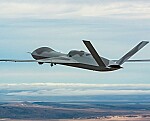
Poland has already demonstrated strong support for Ukraine by transferring around 14 MiG-29s shortly after Russia's full-scale invasion in 2022—making it one of the first nations to provide combat aircraft to Kyiv. Slovakia followed with its own donations, helping Ukraine sustain its MiG-29 fleet, which Ukrainian pilots are already proficient in operating. These jets have proven valuable for air defense, ground attacks, and countering Russian cruise missiles and drones.
The current negotiations build on Ukraine's wartime leadership in drone innovation. Facing resource constraints, Ukraine has rapidly scaled domestic production, manufacturing over a million first-person view (FPV) drones and other unmanned systems in 2024 alone, with plans for further expansion. Ukrainian forces have pioneered tactics like mass drone swarms, long-range strikes, and anti-drone countermeasures, earning praise from allies. Minister Kosiniak-Kamysz has publicly stated that Ukrainians are "the best in drones among all the countries with which we have good relations," highlighting Poland's interest in gaining technology transfers—not just equipment, but knowledge and production capabilities in drones and potentially missiles.
This exchange would be mutually beneficial: Ukraine gains much-needed fighters familiar to its air force, helping bridge the gap until Western jets like F-16s become fully operational, while Poland accelerates its shift to modern platforms without capability gaps (roles filled by F-16s and FA-50s). It also fosters deeper bilateral ties, including joint training—Poland has already trained thousands of Ukrainian troops and benefited from Ukrainian drone expertise.
The talks underscore the evolving nature of alliance support in a protracted conflict. As Kosiniak-Kamysz emphasized, solidarity must be "two-way," with urgency driven by regional tensions. While no final decision or timeline has been set, the initiative aligns with NATO's goals of supporting Ukraine and securing its eastern border. If concluded, it could set a precedent for technology-sharing deals, integrating Ukraine's battlefield innovations into broader Allied defenses.