
Russia Thought It Was Safe. Then Ukraine Hit an Oil Refinery 1,400 km Away
Ukraine has carried out another long-range strike against Russia’s energy infrastructure, hitting the Bashneft-Ufaneftekhim oil refinery in Ufa in a nighttime operation that underlines Kyiv’s growing ability to reach strategic targets far beyond the front line.
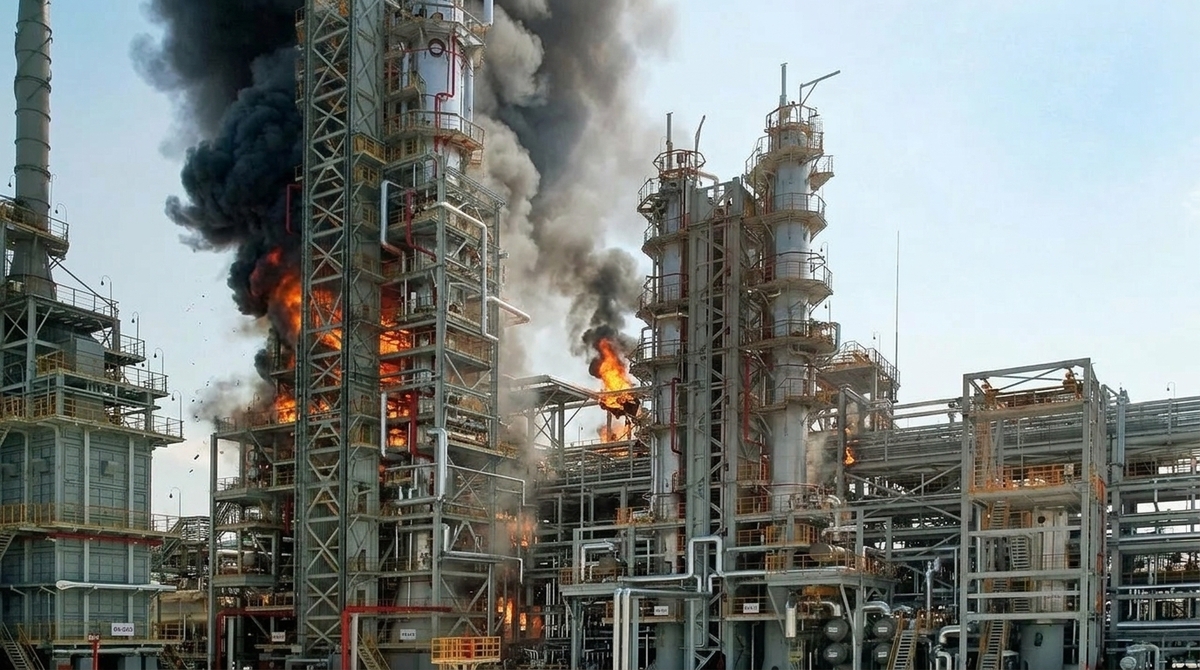
According to the General Staff of the Armed Forces of Ukraine, the attack took place during the night of March 23 and targeted a fuel and energy facility deep inside Russian territory. A fire was reported on the refinery’s premises after the strike, signaling at least some level of immediate impact on the site.

The Bashneft-Ufaneftekhim refinery is one of the key oil-processing facilities in its region. With a primary refining capacity of around 6 to 8 million tons of crude oil per year, it plays a notable role in Russia’s fuel production network. The plant also produces fuel used, among other purposes, to support the needs of the Russian military, giving the strike clear strategic significance beyond its symbolic value.
What makes the operation especially notable is the distance involved. The refinery is located approximately 1,400 kilometers from Ukraine’s state border, making it one of the more distant targets reportedly hit by Ukrainian forces. In highlighting the strike, the Ukrainian General Staff stressed that the attack demonstrates the ability to engage targets deep behind enemy lines — a message aimed not only at military observers, but also at Russia’s broader war-support infrastructure.
The Ufa strike was not the only operation reported that night. The General Staff also said that Ukrainian forces struck the Transneft – Primorsk Port oil terminal in the city of Primorsk in Russia’s Leningrad region. According to preliminary information, the attack hit both the tank farm and the oil loading infrastructure, potentially affecting an important logistical node tied to oil handling and transport.
Taken together, the two strikes suggest a continued Ukrainian focus on targeting the systems that help sustain Russia’s military and industrial capacity. Rather than concentrating solely on battlefield positions, such operations aim to disrupt the deeper infrastructure that fuels combat operations and supports military logistics.

At this stage, the full scale of the damage remains unclear. Ukrainian officials said the consequences of both strikes are still being assessed. Even so, the attacks send a clear signal: infrastructure once considered safely beyond the immediate reach of the war is no longer untouchable.