

Starlink-Enabled Mid-Range Drones: Ukraine’s Campaign Against Russian Supply Lines
Ukrainian forces have increased operations with mid-range drones equipped with Starlink terminals to strike Russian supply routes and rear-area targets. These systems have allowed strikes at greater distances with improved reliability, contributing to disruptions in Russian sustainment in sectors such as Kharkiv. The development reflects ongoing adaptation in unmanned systems on both sides of the conflict.
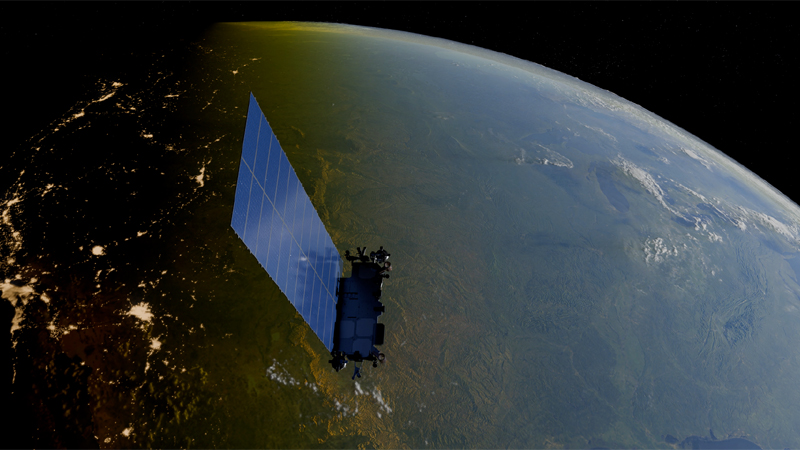
The expansion of these capabilities follows earlier adjustments to satellite communications access. In February 2026, restrictions were placed on unauthorized Starlink use by Russian units, which had relied on the network for coordination and drone operations. Ukrainian authorities coordinated with SpaceX to maintain service for approved terminals while limiting others. This change reduced Russian advantages in contested areas and supported Ukrainian efforts to integrate the same technology into their own longer-range platforms. Mid-range drones, typically fixed-wing designs, now carry Starlink modules that provide stable connections for control and video feeds beyond the reach of line-of-sight radio systems.
These drones differ from short-range FPV models used in direct infantry engagements. They offer greater range – often 120 to 150 kilometers or more – along with larger payloads suited for targeting logistics assets. Operators launch them from forward positions and maintain control through satellite links, enabling real-time adjustments during missions. Ukrainian units report using them to monitor and engage convoys, depots, and support infrastructure that previously operated with reduced exposure. This has required Russian forces to adjust movement patterns, including greater use of night operations and dispersal, which adds friction to their supply efforts.

Ukraine’s broader drone production has grown substantially, with annual output in the millions and projections for further increases in 2026. The mid-range segment benefits from this ecosystem, drawing on components from commercial sources and domestic manufacturers. Integration of Starlink terminals has involved practical engineering solutions, such as mounting and basic environmental protections, developed through close collaboration between producers and field units. The approach allows rapid incorporation of lessons from operations, shortening development cycles compared to traditional defense procurement timelines.
The effects appear in operational tempo. Reports from spring 2026 indicated slower Russian daily advances in several areas alongside periods of net Ukrainian territorial gains. Strikes on logistics nodes have complicated Russian efforts to maintain momentum, particularly for artillery and armored units that depend on consistent fuel and ammunition flows. While not the sole factor, the interdiction effort contributes to a broader pattern of pressure on Russian sustainment. Analysts have noted that such campaigns align with historical lessons on the importance of disrupting rear-area support in prolonged conflicts.
From a technical perspective, the systems combine commercial satellite connectivity with drone airframes, sensors, and navigation aids. Thermal imaging supports targeting in low-visibility conditions, while battery improvements extend endurance. Russian electronic warfare continues to pose challenges, prompting Ukrainian teams to refine tactics, including the use of multiple drones and varied flight profiles. The relative affordability of these platforms compared to manned aircraft or precision missiles allows for higher sortie rates and acceptance of attrition.
Western defense establishments have observed these developments with interest. Several NATO countries are advancing their own programs for attritable unmanned systems, seeking to balance cost, range, and autonomy. The Ukrainian experience highlights the value of integrating widely available commercial technologies, though it also raises considerations around supply chain security, spectrum management, and potential vulnerabilities in satellite-dependent operations. For European and North American forces, questions remain about scaling similar capabilities while maintaining interoperability and protection against jamming.
Russia has responded with investments in counter-drone measures, additional jamming assets, and its own long-range unmanned platforms. Increased defense spending for 2025 and 2026 includes emphasis on domestic technology development to address gaps exposed in the conflict. Russian forces have adapted by hardening key sites and seeking alternative communications methods, though these often introduce new trade-offs in visibility or reliability.
Ukrainian commanders have described the current period as offering a limited window to build on recent tactical gains. Additional support in areas such as electronic warfare equipment and air defense could help sustain the drone campaign while protecting launch teams. Strikes have extended to targets inside Russia, including energy and military infrastructure, further testing Russian defensive allocations.
The campaign illustrates the iterative nature of unmanned warfare in Ukraine. Operators, frequently drawn from varied backgrounds, manage extended missions that require concentration and quick decision-making. On the Russian side, the increased risk to logistics personnel affects morale and operational planning. This dynamic contributes to the overall character of the conflict as a contest of adaptation, where incremental improvements in connectivity and reach can accumulate significant effects over time.
Broader implications extend beyond the immediate theater. Persistent, satellite-linked drones lower barriers to conducting deep interdiction, potentially influencing planning for future high-intensity scenarios. They suggest a model in which smaller, distributed forces can challenge larger adversaries’ sustainment without achieving air superiority in the traditional sense. For Ukraine, maintaining this pressure depends on continued innovation, resupply of components, and effective coordination with other capabilities.
As operations continue, both sides will likely refine their approaches further. Ukraine’s use of Starlink-enabled mid-range drones represents one element in a complex battlefield environment shaped by rapid technological diffusion. The coming period will test whether these tools can produce lasting operational advantages or if countermeasures will restore a measure of balance to rear-area security. The conflict remains a real-time laboratory for modern warfare concepts, with outcomes that will inform defense strategies well beyond its borders.