The Hidden Oil War: Why the Baltic Sea Just Became Russia’s Biggest Vulnerability
The high-stakes game of "chicken" in the Baltic Sea has entered a surprising new phase. According to Kaupo Rosin, Director of the Estonian Foreign Intelligence Service, the Kremlin has hit the pause button on its usual slate of NATO provocations. However, this isn't a gesture of goodwill—it’s a calculated move to protect the "Shadow Fleet" that keeps the Russian economy afloat.
The Economic Shield: Protecting the Shadow Fleet
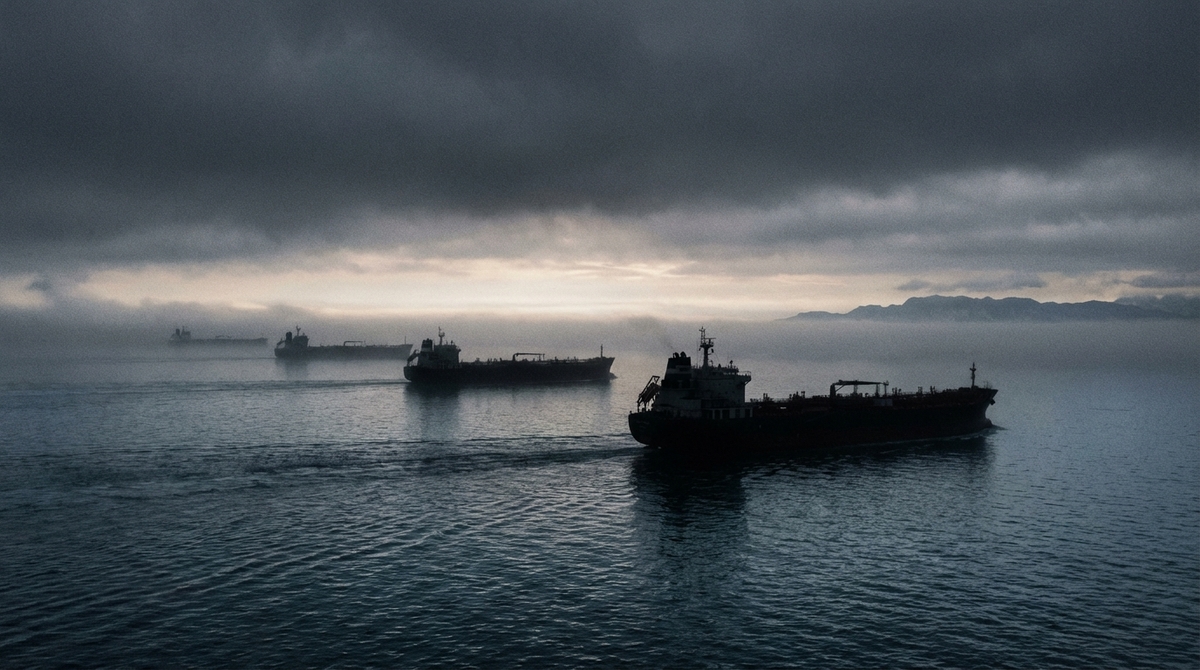
For the Kremlin, the Baltic Sea is no longer just a theater for military posturing; it is a vital industrial corridor. At this stage, Russia’s top priority is ensuring the safe passage of oil tankers.
Most of Russia’s oil exports move through these waters, often carried by a "shadow fleet" of vessels with murky ownership and questionable insurance. To keep the oil—and the cash—flowing, Russia has realized it cannot afford a chaotic Baltic. Any major escalation could lead to tighter blockades or more aggressive NATO policing that would ground their economic engine.
NATO Countermeasures are Working
The shift in behavior is a direct response to a more assertive NATO presence. Following the launch of the Baltic Sentry mission, the frequency of aggressive incidents has plummeted.
- Underwater Security: Since the mission began, there have been no repeat incidents of damage to critical underwater cables.
- Disciplined Airspace: Russian aircraft are now "strictly adhering" to flight routes over the Baltic to avoid accidental run-ins with NATO jets.
- Drone Caution: Even in the war against Ukraine, Russian planners are being notably more careful with UAV flight paths to prevent unintended escalations with the Alliance.
The New Weapon: "Peace-Loving" Narratives
While the physical provocations have slowed, the psychological warfare has intensified. Estonian intelligence warns that Russia is now trying to sabotage European rearmament from the inside.
By funding or influencing specific political groups and social movements, the Kremlin is pushing a narrative that the "arms race" is a waste of money that should be spent on social needs. The goal is simple: divide European societies and create enough political pressure to slow down the buildup of Western defenses.
A Fragile Quiet
Despite the current tactical retreat, the region remains a powder keg. While Rosin notes there is currently "no intention" of a full-scale attack on NATO, the border remains tense.

As recently as September 2025, three Russian MiG-31 fighter jets violated Estonian airspace, and just last week, Russian border guards crossed into Estonian territory. These "micro-incidents" serve as a reminder that while the Kremlin may be playing it safe to protect its oil interests, the underlying hostility remains unchanged.
What Happens Next?
Estonia’s intelligence chief is calling for Europe to turn up the heat. The recommendation is clear: increase pressure on the shadow fleet. By targeting the insurance companies and the "flag states" that allow these tankers to operate, the West can hit Russia where it hurts most—its wallet.