
Ukraine Intercepts Five Ballistic Missiles and More Than 100 Drones in Overnight Russian Attack
Russia launched a large-scale overnight assault on Ukraine, combining ballistic missiles, a guided air-launched missile, and more than 130 drones in one of its latest coordinated aerial attacks across multiple regions. While Ukrainian air defenses managed to destroy or disable most of the incoming threats, several missiles and drones still reached their targets, underscoring the continued intensity and complexity of Moscow’s strike campaign.
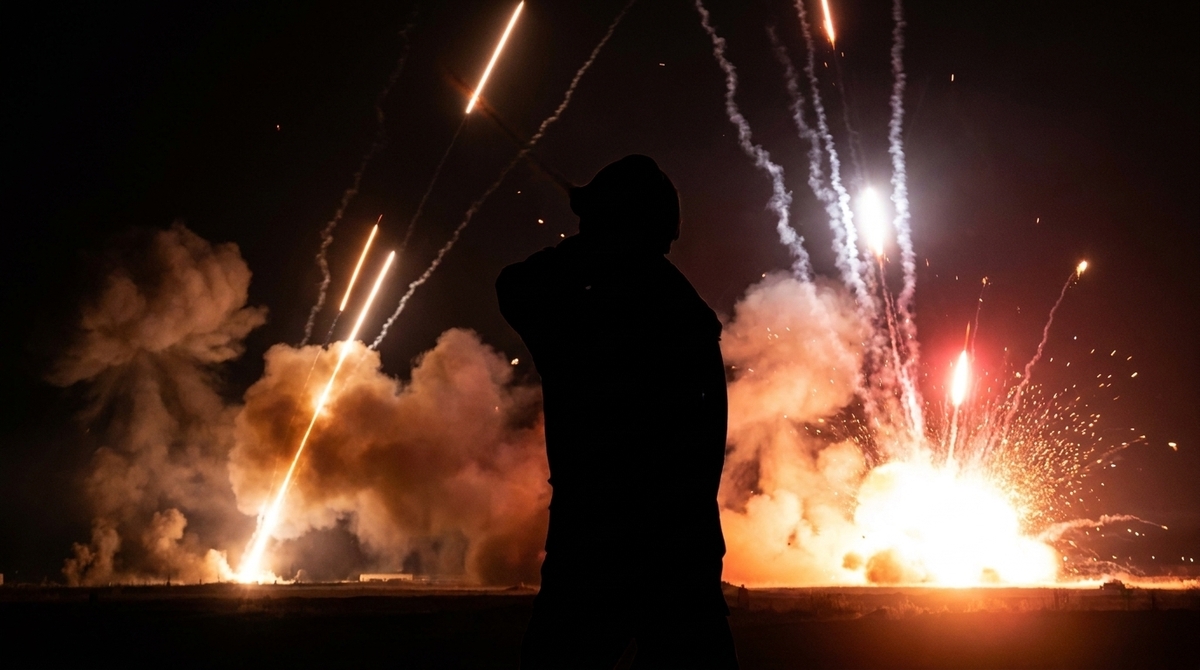
The attack began at 6:00 p.m. local time on July 25 and continued into the early hours of July 26, according to the Ukrainian Air Force. Russian forces fired a Kh-59/69 guided missile from the Black Sea and launched seven Iskander-M ballistic missiles and S-400 missiles from the Bryansk, Kursk, and Voronezh regions. Alongside the missile barrage, Ukraine also faced a wave of 136 unmanned aerial vehicles.

Most of the drones used in the operation were Shahed loitering munitions, including jet-powered versions, as well as Gerbera and Italmas drones and Parodiya decoy UAVs. They were launched from several directions, including Bryansk, Kursk, Oryol, Millerovo, Primorsko-Akhtarsk, and temporarily occupied parts of Donetsk and Crimea. The varied launch points and mix of weapons reflected a deliberate attempt to stretch Ukrainian defenses and complicate interception efforts.
Ukraine responded with a layered air defense operation involving fighter aircraft, surface-to-air missile systems, electronic warfare assets, drone interception units, and mobile fire groups. This broad response highlighted Kyiv’s ongoing effort to adapt to increasingly sophisticated Russian attack tactics, which often combine missiles, attack drones, and decoys in the same strike package.
Preliminary figures released by the Air Force showed that Ukrainian defenders shot down or electronically suppressed one Kh-59/69 guided missile, five Iskander-M/S-400 ballistic missiles, and 104 enemy drones of various types. Interceptions were recorded across northern, southern, and eastern parts of the country, pointing to the nationwide scale of the operation.
Even with the high interception rate, the attack still caused damage. Two ballistic missiles and 27 attack drones struck targets at 18 separate locations. In addition, debris from intercepted aerial threats fell at seven locations, a reminder that even successful air defense operations can still leave communities vulnerable to destruction and danger on the ground.
The overnight strike once again illustrated the pressure facing Ukraine’s defense network as Russia continues to rely on massed aerial attacks to overwhelm protective systems, hit infrastructure, and spread disruption across a wide area. At the same time, the interception of most incoming threats demonstrated the growing effectiveness of Ukraine’s multi-layered defense approach, even against attacks designed to confuse, exhaust, and penetrate it.