Ukraine’s SAMP/T NG Challenge: Air Defense Batteries Are Coming, But Missiles May Be the Real Bottleneck
Ukraine’s future air defense network is set to receive a major upgrade with the planned delivery of eight SAMP/T NG systems from France and Italy. On paper, this is a significant strengthening of Ukraine’s ability to counter Russian aircraft, cruise missiles, and ballistic threats. In practice, however, the value of these advanced systems will depend on something less visible but absolutely decisive: the supply of Aster interceptor missiles.
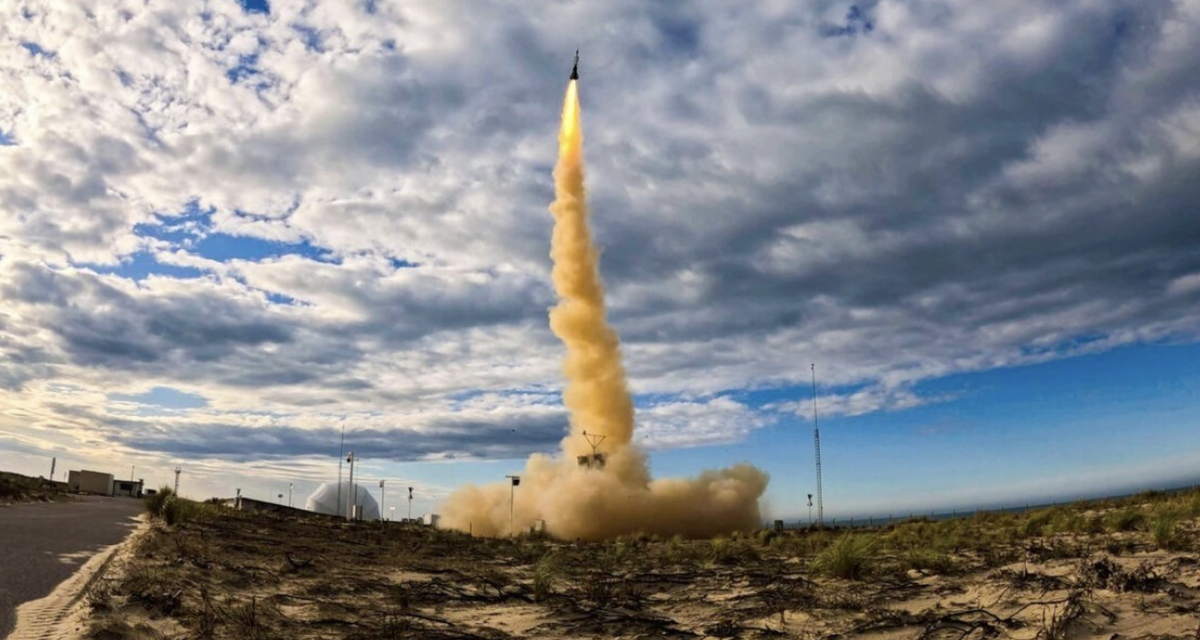
The issue is not whether SAMP/T NG is a capable system. It is. The problem is whether enough missiles can be produced, delivered, and sustained over time to make those systems fully effective in Ukrainian service.

Eight SAMP/T NG Systems Are Planned for Ukraine
The plan to provide Ukraine with eight SAMP/T NG air defense systems was announced in November 2025. The acquisition appears to involve two separate tracks.
In July 2026, Ukraine ordered four batteries from France using loan funds. Deliveries are expected to begin in 2027. In addition, unofficial reports suggest that Italy may provide four more batteries as part of a military aid package.
Ukraine is also expected to receive two conventional SAMP/T batteries from France on a temporary lease. These older systems are intended to strengthen air defense in the near term, but they are expected to be returned once the newer SAMP/T NG systems arrive.
This makes the future Ukrainian SAMP/T fleet potentially much larger and more modern than before. Yet the number of launchers and radars is only one part of the equation. Without enough interceptor missiles, even the most advanced air defense battery becomes a limited asset.
The Core Weakness: Missile Availability
The central shortcoming of the SAMP/T family, including the newer SAMP/T NG version, is not necessarily technical performance. It is missile availability.
Ukrainian President Volodymyr Zelenskyy publicly pointed to this problem during a press briefing on June 23, 2026. His message was clear: the system itself is valuable, but Ukraine also needs a reliable and sufficient stock of Aster missiles.
This is especially important because modern air defense is not a one-time purchase. A country at war consumes interceptors constantly. Every large missile or drone attack forces defenders to make difficult decisions: which targets to engage, how many interceptors to fire, and how much ammunition to preserve for the next wave.
For Ukraine, which faces repeated Russian missile and drone strikes, the question is not only how many SAMP/T NG batteries it can receive. The more important question is how many Aster missiles can be supplied every month and every year.
Why Aster Production Matters
The SAMP/T system uses Aster missiles, mainly the Aster 30 for long-range ground-based air defense. The missile family also includes the shorter-range Aster 15, which is used on naval platforms equipped with Sylver A43 vertical launch systems. The Aster 30 is used with Sylver A50 launchers and the SAMP/T ground-based system.
The problem is that MBDA, the European missile manufacturer behind Aster, does not publicly disclose detailed production figures. This makes it difficult to assess how quickly Ukraine and European partners can build up missile stocks.
The most recent official figures cited in the French Parliament came in December 2024, when Emmanuel Chiva, head of France’s Directorate General of Armament, said production had increased to around 80–100 Aster-family missiles per year. By 2028, the target is to exceed 300 missiles annually.
That would represent a major increase, but the timeline matters. Ukraine is expected to begin receiving SAMP/T NG systems in 2027, while higher production volumes may not fully arrive until 2028 or later. In a high-intensity war, that gap could be critical.
SAMP/T NG Needs the New Aster 30 B1NT
The SAMP/T NG’s strongest advantage is its improved ability to deal with advanced threats, including ballistic missiles. But this capability depends heavily on the Aster 30 B1NT interceptor.
The B1NT variant is designed to improve performance against more demanding targets. However, MBDA has stated that deliveries of this missile will not begin until 2027.
This creates a timing problem. Ukraine may receive advanced SAMP/T NG systems around the same period when the missile they most need is only beginning to enter delivery. If production ramps up slowly, the new systems may initially operate with limited ammunition depth.
For Ukraine, that is not a minor logistical issue. It could shape how and where these batteries are deployed. Systems with scarce interceptors may have to be reserved for the most important strategic targets: Kyiv, major industrial centers, command infrastructure, energy facilities, or key military sites.
Licensed Production Could Be a Long-Term Solution
One of the most important developments is France’s political approval in July 2026 for Ukraine to begin licensed production of several advanced weapons, including the Aster 30 missile, SCALP cruise missiles, and AASM Hammer bombs.
If implemented successfully, licensed Aster production could become a major step toward solving Ukraine’s missile shortage. It would reduce dependence on European production lines alone and help Ukraine build a more sustainable air defense supply chain.
However, licensed production is not an instant fix. Producing advanced air defense missiles requires specialized facilities, trained personnel, secure supply chains, quality control, and access to sensitive technologies and components. Even with political approval, actual output may take time.
Still, this direction is strategically important. Ukraine’s experience has shown that long wars are won not only by receiving advanced systems, but by securing the ability to maintain and replenish them.
The Real Test for European Air Defense Industry
The SAMP/T NG issue also highlights a broader challenge for Europe. European countries are now trying to expand defense production after years of limited procurement and relatively small missile stockpiles.
The projected increase from 80–100 Aster-family missiles per year to more than 300 by 2028 is meaningful, but Ukraine’s wartime demand may still be far higher than peacetime planning assumptions. Air defense interceptors are expensive, complex, and slow to manufacture. Yet they are also consumed rapidly when facing mass missile and drone attacks.
This means the SAMP/T NG program for Ukraine will test not only the system’s battlefield performance, but also the ability of France, Italy, MBDA, and Ukraine itself to create a durable missile pipeline.
Conclusion: The Battery Is Only Half the Weapon
The planned delivery of eight SAMP/T NG systems could significantly improve Ukraine’s layered air defense. These systems would give Ukraine a modern European platform with strong capabilities against aerial and missile threats.
But the decisive factor will be the availability of Aster missiles, especially the Aster 30 and the newer Aster 30 B1NT. If missile production remains limited, Ukraine may have excellent systems that must be used sparingly. If production accelerates and licensed manufacturing becomes real, SAMP/T NG could become one of the pillars of Ukraine’s long-term air defense architecture.
In other words, Ukraine’s main challenge will not be learning how to use SAMP/T NG. It will be ensuring that every launcher has enough missiles to matter when the next Russian attack comes.