
U.S. Acceleration of Project Maverick Amid NATO Focus on Missile Defense
The United States Missile Defense Agency continues to advance programs designed to address hypersonic weapons, with Project Maverick serving as a near-term effort to demonstrate tracking and intercept capabilities. Recent activities include preparations for a planned 2027 flight test using advanced sensor networks and offboard targeting data. This work runs parallel to longer-term initiatives such as the Glide Phase Interceptor, reflecting a broader push to develop layered responses to high-speed maneuvering threats.
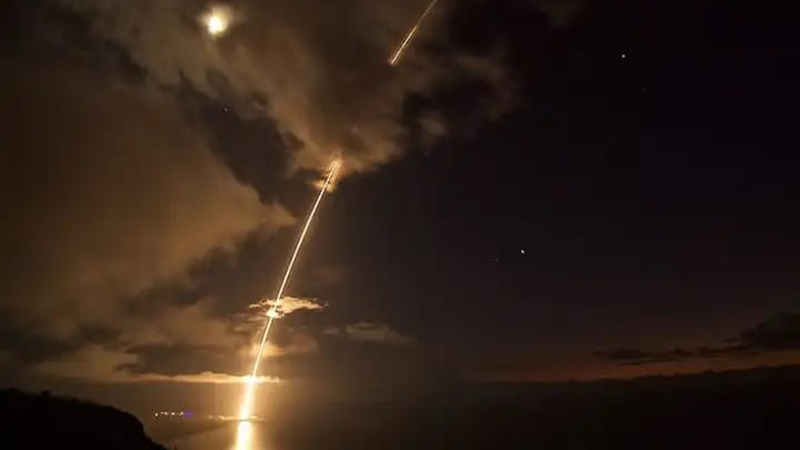
Project Maverick focuses on providing an interim counter-hypersonic solution. Agency officials aim to test the integration of sensors capable of handling the challenges posed by vehicles traveling at hypersonic speeds in the upper atmosphere. If successful, the demonstration could inform deployments before more mature systems like the Glide Phase Interceptor enter service in the early 2030s. The program builds on existing infrastructure while incorporating new data-processing techniques to improve handover between detection and engagement phases. Development occurs against a backdrop of reported advances by potential adversaries in hypersonic glide vehicles and cruise missiles.
The Glide Phase Interceptor program itself has seen contract adjustments, including modifications awarded to industry partners to refine seeker technology and propulsion elements. Emphasis has been placed on AI-assisted processing to handle the rapid decision timelines required against maneuvering targets. These efforts address technical hurdles such as thermal management, materials durability, and accurate mid-course guidance. Budget requests for hypersonic-related activities in fiscal year 2026 have totaled several billion dollars, underscoring sustained investment even as individual programs encounter schedule adjustments, such as those reported for the Army’s Long-Range Hypersonic Weapon.

NATO discussions have reinforced the importance of integrated air and missile defense. At the July 7-8, 2026, summit in Ankara, alliance leaders addressed shortfalls in these capabilities, with particular attention to counter-ballistic and emerging threats. Ukrainian President Zelenskyy highlighted the need for effective anti-ballistic systems, noting ballistic missiles as a significant remaining advantage for Russia. Turkish officials announced additional funding for national missile defense projects, while broader calls emerged for enhanced alliance-wide air and missile defense cooperation, including multinational initiatives and industrial collaboration. The summit’s Defence Industry Forum featured announcements on procurements and innovation in surveillance, strike, and integrated defense systems, aligning with U.S. efforts to strengthen deterrence.
Hypersonic weapons combine speed, altitude, and maneuverability in ways that stress traditional ballistic missile defenses. Boost-glide systems, for example, spend extended periods in the glide phase, complicating prediction and interception. Project Maverick seeks to close gaps through offboard sensors and rapid data fusion, potentially serving as a bridge until GPI achieves operational status.
Industry partners play a central role. Contracts with companies such as Northrop Grumman involve refinements to interceptors capable of engaging targets in the glide phase. Testing focuses on realistic scenarios, including integration with existing systems like Aegis and ground-based defense. Success metrics include not only hit-to-kill performance but also the ability to operate within networked environments where information from multiple sources informs engagement decisions. The fiscal environment supports this work, with congressional interest in maintaining momentum on both offensive and defensive hypersonic technologies.
The Ankara summit outcomes suggest opportunities for transatlantic alignment. Discussions on air and missile defense shortfalls, combined with commitments to higher defense spending, could facilitate joint development or procurement of counter-hypersonic elements. European allies have expressed interest in indigenous capabilities, while benefiting from U.S. technological leads. Collaborative efforts might include sensor sharing, exercise integration, and industrial partnerships that accelerate fielding timelines.
Technical and operational questions persist. Hypersonic defense requires advances in materials science, high-speed computing, and battle management. Environmental factors such as plasma sheaths around vehicles can degrade sensor performance, necessitating specialized solutions. Testing programs must balance realism with safety and cost considerations, particularly for flights involving live intercepts. The MDA has outlined plans to expand test ranges and leverage modeling to reduce risks in subsequent phases.
From a strategic viewpoint, these programs contribute to deterrence by raising the costs and uncertainties for adversaries contemplating hypersonic strikes. They form part of a comprehensive approach that includes offensive hypersonic systems for prompt global strike alongside defensive layers. As potential threats evolve, maintaining technological edges in both domains remains a priority. Reports of Russian and Chinese testing activity underscore the competitive dynamic driving U.S. and NATO investments.
Looking forward, near-term demonstrations under Project Maverick will provide critical data for refining architectures. GPI development timelines will depend on successful risk reduction in materials and propulsion. Integration with broader command-and-control networks, including space-based sensors, will determine overall effectiveness. The Ankara summit’s emphasis on missile defense suggests that allied dialogue will continue to shape requirements and resource allocation in the years ahead.
The pace of progress in counter-hypersonic technology will influence planning for regional contingencies and high-end conflict scenarios. While no single system offers complete protection, layered approaches that combine detection, tracking, and engagement at multiple phases offer the most viable path. Ongoing collaboration between the United States, NATO allies, and industry partners will be essential to translating investment into operational capability. As threats continue to mature, sustained focus on both innovation and integration will determine the balance between hypersonic offense and defense.