A New Chapter for European Land Defense: Germany Joins France as Equal Partner in KNDS
In a significant step toward deeper Franco-German defense integration, France and Germany have agreed to become equal shareholders in KNDS, the leading European land systems manufacturer. Announced on June 22, 2026, the deal sees Germany acquiring a 40% stake from the German family owners, while France reduces its holding from 50% to 40%, positioning both governments as balanced partners. This arrangement paves the way for KNDS’s highly anticipated initial public offering (IPO) on the Paris and Frankfurt exchanges, expected later in 2026, with the remaining shares offered to the public. The move underscores a shared commitment to bolstering Europe’s defense industrial base amid heightened geopolitical tensions.
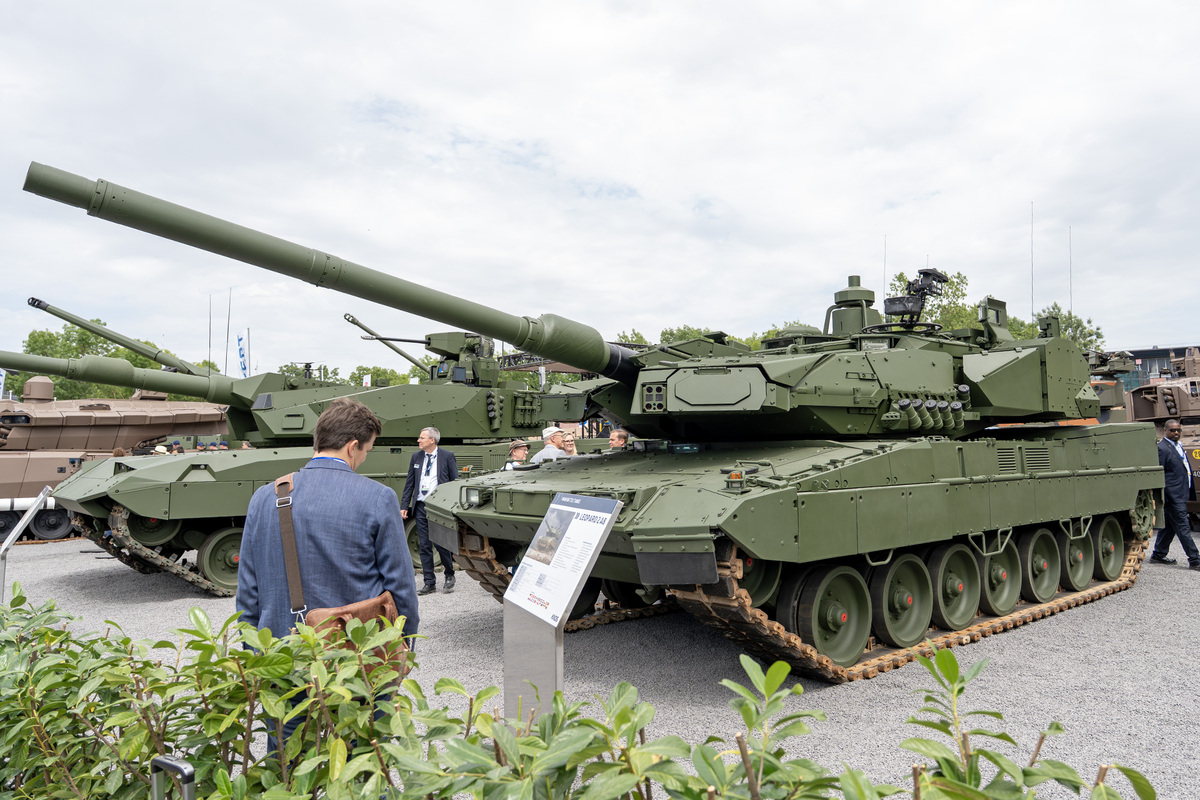
KNDS, formally known as KMW + Nexter Defense Systems, emerged from a landmark 2015 merger between Germany’s Krauss-Maffei Wegmann (KMW) and France’s Nexter Systems. The holding company, headquartered in Amsterdam under Dutch law for neutrality, combined two powerhouses of European armored vehicle and artillery production. KMW, rooted in a family-owned tradition dating back through Krauss-Maffei’s engineering legacy, had long been synonymous with the iconic Leopard 2 main battle tank, a cornerstone of NATO’s armored capabilities. Nexter, previously state-controlled, brought expertise in systems like the Leclerc tank and the highly mobile CAESAR self-propelled howitzer, which has proven its worth in conflicts worldwide. The 2015 agreement, signed in Paris with high-level government backing, created a 50-50 joint venture that aimed to consolidate Europe’s fragmented land defense sector, reduce duplication, and enhance competitiveness against larger global players.
Over the subsequent decade, KNDS has grown into a formidable entity. By 2025, the group employed over 11,000 people and generated €4.4 billion in revenue, with a record order backlog exceeding €33 billion. Its portfolio spans main battle tanks, armored fighting vehicles, artillery, ammunition, military bridges, and integrated mission solutions. Subsidiaries now operate under the unified KNDS brand, reflecting full integration following rebranding efforts in 2023. This evolution has enabled closer collaboration on exports and joint programs, supplying more than 40 armies, including 24 in Europe. KNDS systems have seen extensive combat use, from Leopard tanks supporting Ukrainian forces to CAESAR howitzers delivering precise fire support.
The importance of KNDS to the European defense industry cannot be overstated. In an era where national champions often competed inefficiently, the merger represented the first major consolidation in land systems. It provides a reliable industrial backbone for France and Germany, the EU’s two largest defense spenders, while fostering standardization and interoperability across NATO. By controlling key segments of the value chain – from platforms to munitions – KNDS enhances supply chain resilience and technological sovereignty. In the face of Russia’s aggression and calls for Europe to shoulder more of its own security burden, the company symbolizes the potential for a more autonomous and efficient European defense ecosystem. Its scale positions it as a counterweight to U.S. and other international primes, while joint Franco-German governance ensures balanced decision-making.
This latest shareholder restructuring builds directly on that foundation. With equal stakes, Berlin and Paris gain parity in strategic oversight, governance, and future direction. The German government’s entry addresses the planned exit of the Wegmann family owners, ensuring continuity of national influence without disrupting operations. Officials from both capitals have emphasized developing KNDS into a "leading European and global defense company" that better serves their armed forces. This balanced ownership is expected to streamline approvals for joint projects and exports, mitigating past frictions over technology transfers or sales policies.
Major projects stand to benefit significantly. Foremost is the Main Ground Combat System (MGCS), the ambitious Franco-German program to develop a next-generation tank system by around 2040, replacing the Leopard 2 and Leclerc. KNDS leads much of the effort, alongside partners like Rheinmetall and Thales, through a dedicated project company established in 2025. Equal state ownership could accelerate decision-making, resolve work-share disputes, and secure sustained funding. Demonstrators and architecture studies are already advancing, with concepts like modular turrets and ASCALON guns pointing toward highly capable, networked systems integrating manned and unmanned elements.
Other initiatives, including upgrades to existing fleets (such as Leopard 2 A-RC 3.0 and Leclerc Evolution) and artillery programs like the RCH 155, are likely to see smoother industrial scaling. The IPO will inject capital for capacity expansion, R&D in robotics and AI-driven combat systems, and international partnerships. It may also facilitate deeper integration with other European players, enhancing interoperability for NATO forces. Challenges remain – coordinating complex multinational programs, navigating export controls, and ramping production amid skilled labor shortages – but balanced governance provides a stronger platform for overcoming them. As Europe confronts evolving threats, KNDS’s evolution from a bilateral merger to a state-backed pan-European champion marks a mature phase of defense cooperation. This development not only secures the company’s future but also reinforces the industrial pillars of collective security.