Czech Republic Becomes NATO’s First Operator of Israel’s SPYDER Air Defense System
The Czech Republic has taken a major step in modernizing its national air defense by becoming the first NATO member state to operate the Israeli-made SPYDER surface-to-air missile system.
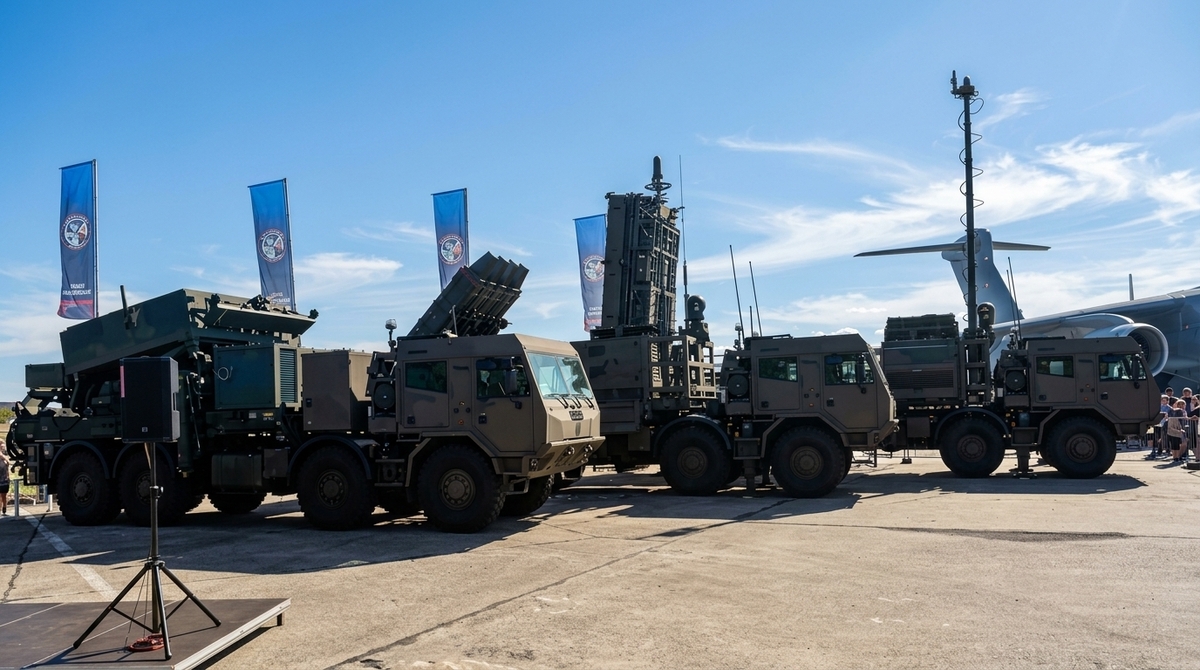
The milestone was confirmed after the first SPYDER system delivered to the Czech Armed Forces entered service. The system is produced by Rafael Advanced Defense Systems, one of Israel’s leading defense companies.
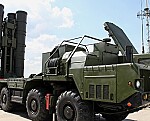
Rafael CEO Yoav Turgeman described the development as an important point in the company’s cooperation with Prague, noting that the first delivered system is now being put into operational use.
The Czech Republic ordered four SPYDER batteries from Rafael in 2021 as part of its effort to replace older Soviet-era air defense equipment with modern Western systems. According to the available information, all four systems have now been manufactured, while the first two have already been delivered to the Czech side.
The arrival of SPYDER gives Prague a more flexible and capable tool for defending its airspace against modern threats, including aircraft, drones, and precision-guided weapons.
A Key Step Toward Layered Air Defense
For the Czech Republic, SPYDER is not simply a single weapons purchase. It is part of a broader move toward building a modern layered air defense network.
Such a network could eventually combine several types of systems, including missile defense assets, drone interceptors, advanced command-and-control systems, and potentially laser-based weapons. The purpose of this approach is to create several defensive layers capable of responding to different threats at different ranges and altitudes.
Czech Defense Minister Jaromír Zuna called the introduction of SPYDER a major technological and qualitative leap for the country’s air defense. He also described it as an important step in creating a modern multi-layered protection system for the republic.
This matters because European air defense has become one of the most urgent security priorities in recent years. The war in Ukraine has shown how critical it is to defend cities, infrastructure, military bases, and maneuvering forces from missiles, drones, and aircraft. For NATO countries on the alliance’s eastern and central flank, the need to replace outdated systems has become especially pressing.
What the SPYDER System Can Do
SPYDER is a mobile surface-to-air missile system designed to intercept short- and medium-range aerial threats. Its name comes from the missiles it uses: PYTHON and DERBY.
The system can engage a wide range of targets, including:
- Combat aircraft
- Helicopters
- Unmanned aerial vehicles
- Precision-guided munitions
- Other airborne threats within its engagement envelope
One of SPYDER’s key advantages is its flexibility. It can protect mobile ground forces during operations, but it can also be deployed in fixed positions to defend important facilities or territory.
The system uses different missile types depending on the required range and target profile. The PYTHON-5 missile is equipped with a dual-band infrared seeker, while DERBY-family missiles use active radar guidance.
Reported engagement ranges vary depending on the missile and configuration:
- PYTHON-5: up to 15 km
- I-DERBY ER: up to 40 km
- I-DERBY LR: up to 80 km
- SPYDER MR/LR configuration: up to 160 km
The warhead weight also differs by missile type, with reported figures of 11 kg and 23 kg respectively.
This mix of infrared and radar-guided interceptors gives SPYDER the ability to respond to different operational scenarios. It also makes the system harder for an adversary to counter with a single defensive tactic.
Why This Is Significant for NATO
The Czech Republic becoming the first NATO operator of SPYDER is significant for several reasons.
First, it shows that NATO countries are increasingly willing to diversify their air defense procurement beyond traditional European and American systems. Israeli defense technology has a strong reputation in missile defense and air defense, and SPYDER’s adoption by a NATO member may increase interest from other countries.
Second, it reflects a wider shift inside the alliance. Air defense is no longer seen as a secondary capability. The growing use of drones, cruise missiles, ballistic missiles, and precision-guided weapons has forced governments to rethink how they protect national territory and military forces.
Third, the Czech decision could influence regional procurement choices. Romania has already decided to purchase SPYDER, signing a contract worth more than €2 billion, or approximately $2.3 billion. That package reportedly includes launchers, interceptors, radar stations, training equipment, and logistical support.
As more European countries look to strengthen air defense, SPYDER may become a more visible option on the continent.
Replacing Soviet-Era Legacy Systems
The Czech SPYDER acquisition is also part of a broader post-Cold War transformation. Like several other Central and Eastern European countries, the Czech Republic has operated legacy systems inherited from the Soviet era.
Those systems are increasingly difficult to maintain, integrate, and modernize. They also do not always match the requirements of NATO’s current command-and-control structures.
By moving to SPYDER, Prague is improving not only its firepower but also its compatibility with modern Western defense planning. A newer air defense system can be integrated more effectively into NATO-style networks, where radar data, command systems, and interceptors must work together quickly and reliably.
A Modern Shield for a Changing Threat Environment
The Czech Republic’s deployment of SPYDER marks a clear shift in the country’s defense posture. It is investing in mobility, layered protection, and the ability to counter modern aerial threats before they reach critical targets.
For Rafael, the Czech program is an important entry point into NATO service. For Prague, it is a major upgrade in national defense capability. For the wider alliance, it is another sign that European air defense modernization is accelerating.
As the threat from drones, missiles, and precision weapons continues to grow, systems like SPYDER are likely to play a larger role in NATO’s future defense architecture.
The Czech Republic’s move may therefore be remembered not only as a national procurement milestone, but also as part of a wider European effort to rebuild the air defense capacity that many countries allowed to shrink after the Cold War.