Helicopters Rise as Drone Hunters: France’s Tigre Leads the Charge in Modern Air Defense
In the evolving landscape of modern warfare, where low-cost unmanned aerial vehicles increasingly challenge expensive traditional air defenses, attack helicopters are proving their worth as versatile and effective counter-drone platforms. The French Tigre helicopter has recently demonstrated remarkable prowess, achieving a reported 100% interception rate against Iranian-designed Shahed drones during operations supporting allied forces. This success underscores a broader shift in tactical doctrines, as militaries worldwide reassess the role of rotary-wing aircraft in neutralizing the asymmetric threats posed by kamikaze drones.
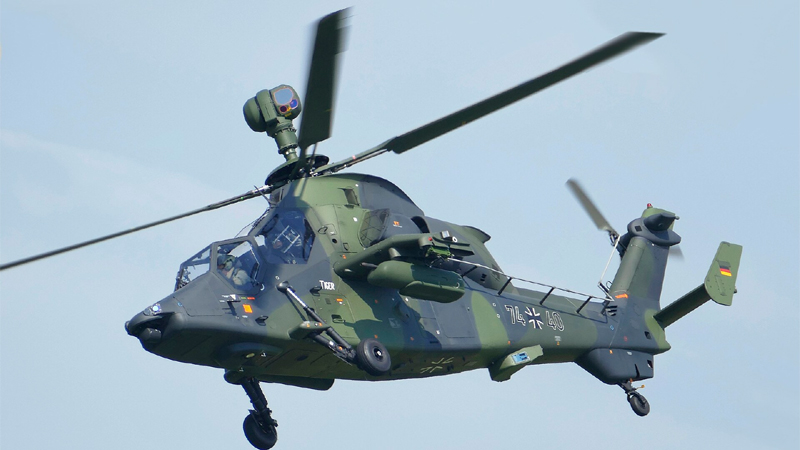
The Tigre, a collaborative Franco-German development by Airbus Helicopters, was originally designed for armed reconnaissance, anti-armor missions, and close air support. Its adaptation to anti-drone roles highlights the platform’s inherent flexibility. Equipped with a 30mm cannon and Mistral air-to-air missiles, the Tigre excels against slow-moving, low-maneuverability targets like the Shahed series. These drones, essentially cruise missiles with modest speeds around 180-200 km/h and limited evasion capabilities, present ideal engagements for a helicopter that can match their velocity, loiter for extended periods, and make multiple firing passes if needed. Advanced electro-optical and infrared sensors allow crews to detect and track these threats even in degraded visibility, while the aircraft’s top speed of approximately 280 km/h enables rapid interception before drones reach critical infrastructure.
Operational endurance exceeding three hours further enhances the Tigre’s utility, permitting sustained patrols over vulnerable areas. In practice, this has translated into the formation of protective bubbles around key assets, integrating seamlessly with ground-based radars and surface-to-air systems in a layered defense network. French forces and their partners have refined tactics through specialized crew training, optimizing ammunition use and engagement procedures to handle prolonged drone swarms without depleting resources prematurely. This real-world validation in operations against Shahed threats has already influenced modernization efforts, including upgrades planned for the Tigre Mk3 variant expected in the coming years.
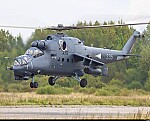
The Tigre’s achievements echo experiences in other conflicts, particularly the ongoing war in Ukraine, where both sides have turned to helicopters to counter mass drone incursions. Ukrainian Mi-24 Hind gunships and Mi-8 transport helicopters modified with heavy machine guns have increasingly taken on drone-hunting duties, especially during nighttime Shahed barrages targeting cities and energy infrastructure. Pilots from units like the 12th Aviation Brigade describe shifting priorities from ground strikes to aerial intercepts, developing new maneuvers tailored to the drones’ predictable flight paths and vulnerabilities. Rather than relying solely on costly missiles, crews use onboard cannons and even door-mounted guns fed targeting data from integrated radar, acoustic sensors, and electronic warfare networks. This approach allows helicopters to patrol broad areas cost-effectively, chasing down drones that evade ground defenses.
Russian forces have similarly employed their attack helicopters in anti-drone roles. The Ka-52 Alligator and Mi-28 Havoc have been tasked with intercepting Ukrainian UAVs, with some reports crediting Ka-52M variants with downing multiple drones in single sorties using programmable 30mm shells and advanced sighting systems. These helicopters benefit from robust sensors for day-night operations and can engage aerial targets alongside their traditional anti-armor missions. However, the environment remains hazardous; Ukrainian FPV drones and fiber-optic guided systems have successfully downed Ka-52s and damaged Mi-28s, demonstrating that helicopters themselves are vulnerable to evolving drone tactics when operating near contested airspace.
In the Middle East, the American AH-64 Apache has also emerged as a potent drone killer. UAE-operated Apaches have engaged Shahed drones with success, leveraging their 30mm chain gun and proximity-fuzed ammunition. U.S. Army experiments, inspired by Ukrainian and Middle Eastern lessons, have tested Apaches against small UAS threats. The helicopter’s ability to fly at drone-like speeds allows crews to maneuver alongside targets for precise engagements, offering advantages over fast jets that struggle with low-speed intercepts and limited loiter time. Proximity rounds prove particularly efficient, turning the Apache into a mobile, cost-effective counter-UAS asset without always expending expensive missiles. Other platforms show promise as well. British Wildcat and Merlin helicopters have demonstrated counter-drone capabilities in trials and operations, using machine guns or guided munitions.
In Ukraine, the broader picture reveals both the strengths and limitations of helicopter anti-drone operations. Shahed drones, launched in large salvos, strain air defenses, prompting a surge in helicopter patrols. Ukrainian crews report success through a combination of persistent presence, visual acquisition, and cannon fire, often guided by extensive early-warning networks. This has helped protect urban centers and power grids when missile stocks run low. Yet challenges persist: helicopters consume fuel and require maintenance, exposing crews to risks from enemy air defenses or opportunistic drones. Russian helicopters face similar issues, with documented losses to Ukrainian FPV attacks highlighting the need for improved countermeasures and electronic warfare integration.
Overall, helicopters cope with drones in Ukraine by embracing hybrid roles – blending legacy weapons with modern sensors and networked intelligence. They fill gaps left by static defenses, providing mobile, responsive interception layers. Success depends on tactics: using speed parity for pursuit, cannons for economical kills, and coordination to avoid overexposure. The Tigre’s flawless record against Shaheds validates this approach on an international stage, suggesting that well-equipped attack helicopters can deliver high effectiveness at relatively lower cost per engagement compared to missiles alone.
Looking ahead, the proliferation of drone swarms will demand further innovations. Integration of artificial intelligence for target discrimination, directed-energy weapons, or specialized anti-drone munitions could enhance helicopter survivability and lethality. Programs like the Tigre’s upgrades and Apache experiments indicate that militaries are investing in these evolutions. As conflicts like Ukraine demonstrate the drone’s dominance in attrition warfare, helicopters are not becoming obsolete but are instead reinventing themselves as essential guardians of the skies against cheap, persistent aerial threats. Their proven adaptability ensures they will remain relevant in an era defined by unmanned systems, bridging traditional airpower with the demands of asymmetric battles.