
Iran’s Asymmetric Threats Paralyze Hormuz Shipping Amid Escalating War
The Strait of Hormuz remains one of the world’s most critical maritime chokepoints, yet in March 2026, it has become extraordinarily difficult to secure amid escalating conflict. Following the outbreak of war between the United States, Israel, and Iran on February 28, 2026, commercial shipping through the strait has plummeted by approximately 97%, transforming a vital artery for global energy into a near-abandoned war zone. This crisis underscores persistent geopolitical, geographical, and military challenges that make full security elusive, even for advanced navies.
Strategic Importance and Immediate Impact
Roughly one-fifth of global seaborne oil and a significant portion of liquefied natural gas transit the Strait of Hormuz, the sole maritime exit from the Persian Gulf for major producers like Saudi Arabia, Iraq, Kuwait, Qatar, the UAE, and Iran itself. Disruptions here threaten energy markets worldwide, with oil prices spiking to levels not seen since 2022 in early March 2026. Fertilizer shipments – 33% of global supplies, including key components like sulphur and ammonia – also rely on the route, raising risks of food security shocks and broader economic fallout reminiscent of past oil crises.
Since the conflict began, Iran – via the Islamic Revolutionary Guard Corps (IRGC) – has declared the strait effectively closed, vowing to target any passing vessels. Threats include firing on ships, and at least 11 to 19 attacks have occurred, involving projectiles, drones, and other means. Traffic halted not solely from physical blockades but from fear, skyrocketing insurance premiums (up to 300%), and operator caution. Tankers anchor in droves, while some China-linked vessels reportedly attempt passages amid shifting alliances. The U.S. Navy has rejected industry requests for escorts, citing unacceptable risks, despite President Trump’s pledges for protection and insurance support through the United States Development Finance Corporation.

Geographical Vulnerabilities
The strait’s narrowest point spans just 21 nautical miles, with shipping lanes confined to about two miles wide. Vessels must navigate close to Iran’s mountainous northern coast and islands, offering ideal cover for ambushes. This geography favors defenders, limiting large naval forces’ maneuverability while exposing transiting ships to detection and rapid strikes. Iran’s proximity – transit lanes lie mere 3-4 miles from its shoreline – amplifies threats from shore-based systems, reducing reaction times for intercepts.
Iran’s Asymmetric Warfare Arsenal
Iran’s conventional navy has suffered heavy losses, but the IRGC maintains potent asymmetric capabilities designed for disruption rather than sustained control. These include:
- Swarms of fast attack boats, speedboats, and even explosive-laden jet skis for close-quarters harassment.
- Uncrewed surface vessels (USVs) and drones – Iran produces around 10,000 monthly – capable of saturation attacks.
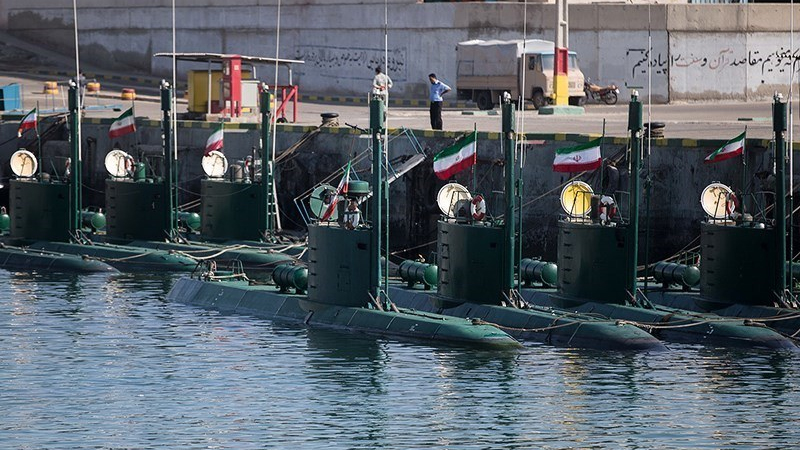
- Midget submarines for stealthy operations.
- Naval mines, deployable covertly to create uncertainty and clearance delays.
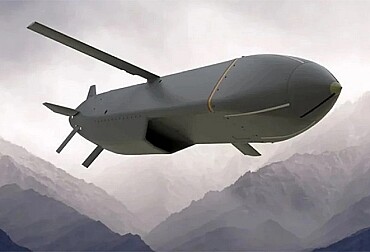
- Shore-launched missiles and low-flying drones that challenge defenses.
Experts note that Iran “only needs to be lucky once” to inflict damage, as a single successful strike can deter traffic. Even with preemptive U.S. strikes destroying mine-layers and other assets, residual threats persist through unpredictability and low-cost tools. The goal: impose economic pain by making transit too hazardous, without requiring permanent dominance.
Challenges for Securing the Strait
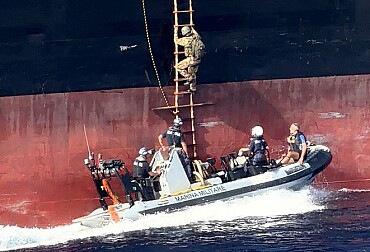
Securing shipping demands immense resources. Short-term escorts for a few vessels daily might involve seven or eight destroyers with air cover, but sustaining this for months requires far more assets, especially against midget submarines and mines. Large coalitions face hurdles: overwhelming swarms could target escorts themselves, and mines pose greater risks to warships than tankers.

Allied responses include French deployments (including an aircraft carrier group) to adjacent waters, European discussions led by Britain, and potential post-conflict multinational missions involving India and Asian states. The U.S. explores options under General Dan Caine, but no immediate escorts have materialized. Historical parallels – like Houthi disruptions in the Red Sea – show protections can mitigate but not eliminate threats from determined actors. Unlike Somali piracy, Iran’s capabilities demand higher-intensity responses.
The absence of a clear plan has drawn criticism, with Senate briefings revealing limited strategies. Casualty aversion complicates matters: military vessels may prove more vulnerable than commercial ones, risking higher losses.
Broader Implications and Outlook
The crisis highlights enduring vulnerabilities in global energy routes. Alternatives like UAE and Saudi pipelines exist but remain susceptible. Prolonged disruption could cascade into inflation, supply chain strains, and reduced manufacturing worldwide.
While planning for escorts continues, full security appears improbable without de-escalation. Iran’s strategy exploits the strait’s inherent defensibility, proving that asymmetric tools can paralyze commerce against superior forces. As of mid-March 2026, the strait stands as a stark reminder of how geography and innovation can turn a vital passage into a flashpoint with global repercussions.