Pay 0.25% or Explain Why Not: NATO’s Ukraine Fight Is Turning Inward
NATO Secretary General Mark Rutte is pushing a simple but politically loaded idea: every NATO ally should dedicate 0.25% of its GDP each year to military aid for Ukraine.
At first glance, the proposal looks modest. In reality, it could reshape how the Alliance supports Kyiv by turning a patchwork of voluntary contributions into a more structured and predictable system. It also touches a sensitive nerve inside NATO, where frustration has been building over the uneven distribution of support.
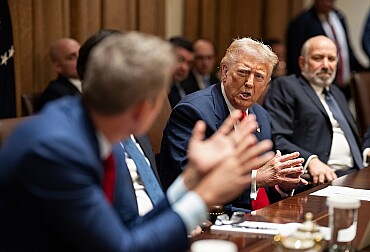
Rutte raised the idea during a closed-door meeting with NATO ambassadors in late April. The logic behind it is straightforward. Some allies want support for Ukraine to stop depending on shifting political moods, election cycles, or the willingness of a few highly committed capitals to carry a disproportionate share of the burden. A GDP-based benchmark would create a clearer expectation: if Ukraine’s defense is central to European security, then support should be measured, repeatable, and shared.
That argument is gaining weight because the gap between allies has become increasingly visible. The Nordic and Baltic countries, along with the Netherlands and Poland, are contributing a larger share of their economic output to Ukraine’s military needs than many countries in Western and Southern Europe. For governments already spending heavily, the issue is no longer just solidarity with Ukraine. It is fairness inside the Alliance.
This is where Rutte’s proposal becomes more than a funding mechanism. It is also an attempt to calm internal tensions. By anchoring military aid to GDP, NATO would move the debate away from ad hoc political bargaining and toward a more standard burden-sharing model. In other words, the proposal is not only about helping Ukraine — it is also about managing NATO itself.
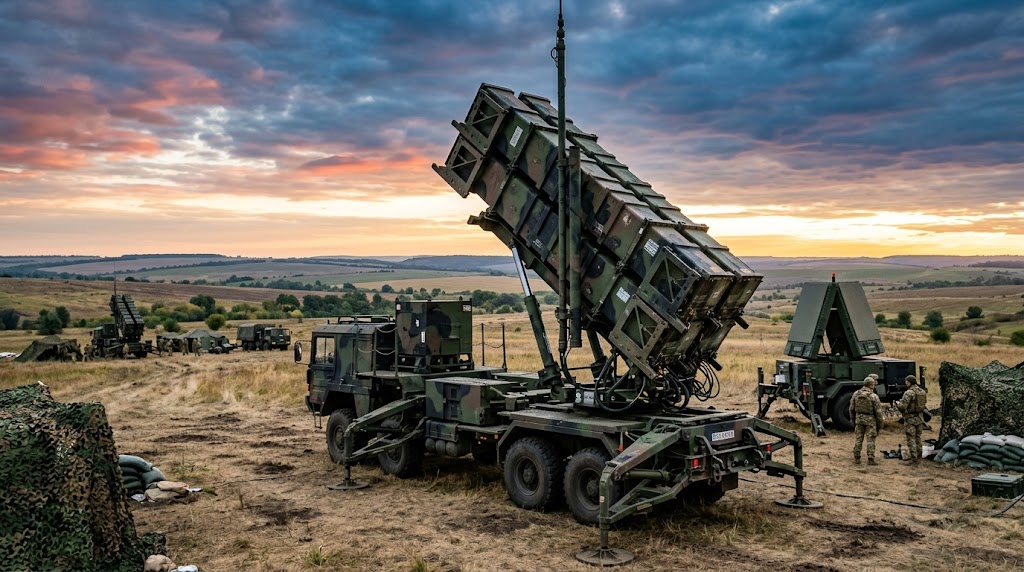
The numbers help explain why the idea matters. If allies were to approve the 0.25% target, annual military aid to Ukraine could rise to $143 billion based on the combined GDP of NATO members. That would represent a dramatic increase from the $45 billion in security assistance Ukraine received from allies last year. That support covered a broad range of needs, from weapons procurement and investment in defense companies to the purchase of U.S. weapons.
The scale of that potential jump is striking. It would not simply sustain Ukraine’s war effort at existing levels. It could create the conditions for longer-term planning, more stable procurement, and stronger industrial coordination. Predictability is one of the most valuable assets in any war economy. A government can plan production better if it knows what support is coming. Defense companies can expand output more confidently if demand is not hostage to political uncertainty. For Ukraine, that means less improvisation and more continuity.
Still, the proposal is far from guaranteed to win support. Diplomats say it has already been met with skepticism by some allies, including France and the United Kingdom. That reaction is telling. The debate inside NATO is not about whether Ukraine should be supported, but about how tightly that support should be formalized. A percentage-of-GDP target may sound neat on paper, but for some governments it raises uncomfortable questions about flexibility, sovereignty, and precedent.
There is also a political difference between making large contributions voluntarily and being seen to commit to a fixed benchmark. Once a target exists, it becomes a visible test of credibility. Governments that fall short can be singled out more easily. That may be exactly why some supporters like the idea — and exactly why others are cautious.
Rutte’s plan is only one of several options being discussed inside the Alliance to secure long-term military support for Ukraine. But it stands out because it is clear, measurable, and easy to communicate. It is also not entirely new. Volodymyr Zelensky put forward a similar idea last year, saying that Ukraine is part of Europe’s security and calling for 0.25% of each partner country’s GDP to be directed toward Ukraine’s defense industry and domestic production.
That earlier appeal now looks increasingly relevant. Ukraine is not only asking for weapons; it is trying to build a more durable defense-industrial base of its own. That distinction matters. Aid directed toward domestic production does more than fill short-term battlefield gaps. It helps create a system that can sustain the country’s defense capacity over time.
Ukraine, for its part, is clearly preparing for a long war. Last week, the Cabinet of Ministers approved amendments to the 2026 budget to finance security and defense needs. With the unblocking of an EU loan, defense spending is expected to rise to about $99 billion in 2026. That figure underlines a broader reality: Kyiv is increasing its own commitment while pressing partners to make theirs more dependable.
In that sense, Rutte’s proposal arrives at a critical moment. It is an effort to answer a strategic question that has hovered over the Alliance for months: can NATO turn support for Ukraine from a recurring political argument into a stable long-term policy?
If the answer is yes, the 0.25% formula could become more than a budget guideline. It could become a test of whether NATO is ready to treat Ukraine’s defense not as a temporary emergency, but as a permanent part of European security architecture.