
Personal Experience Serving with the Czech Contingent at EUNAVFOR MED IRINI Operational Headquarters in Rome in the First Half of 2026
The Mediterranean is often viewed as a vacation destination, a place of historical landmarks, and a hub of intense trade. At the same time, however, it represents one of Europe’s most important geopolitical regions, where the security, economic, and migration interests of European nations intersect. It is here that the European Union’s military operation, EUNAVFOR MED IRINI, is active, with the primary mission of contributing to the stabilization of Libya and strengthening security in the central Mediterranean.
In the first half of 2026, I had the opportunity to serve as the commander of the Czech contingent at the Operation Headquarters (OHQ) in Rome. During this time, I was able to observe and be part of not only the day-to-day operations of a multinational military organization, but also the significant transformation of the mission, which may gradually become one of the most important instruments of European defense cooperation.
From the Berlin Conference to Operation IRINI
The roots of Operation IRINI date back to January 2020, when an international conference was held in Berlin to address the protracted conflict in Libya. One of the key conclusions of the talks was the need to ensure more rigorous enforcement of the United Nations (UN) arms embargo against Libya. The European Union responded to this request by deciding to launch a new military operation under the Common Security and Defense Policy (CSDP), which followed on from the previous Operation Sophia and officially began on March 31, 2020.

The name “Irini” comes from the Greek word for peace. The operation’s main task is to monitor and enforce the arms embargo against Libya. The operation was also entrusted with additional tasks, including tracking illegal oil exports, monitoring the activities of human trafficking networks, supporting capacity-building for Libyan institutions responsible for coastal security, and, in recent years, developing maritime situational awareness in the Mediterranean Sea.
The Landmark Year 2026
The year 2026 will likely go down in the history of the operation as one of the most significant periods of its existence. On May 25, 2026, UN Security Council Resolution 2292 expired; since 2016, it had provided the legal framework for inspecting vessels suspected of violating the arms embargo against Libya. No proposal to extend the resolution was submitted, and the mandate therefore lapsed.
The operation did not end as a result. It continues on the basis of a European Union mandate and the relevant decisions of its institutions. In practical terms, it has thus become the first EU military operation of its kind whose main activities are no longer directly based on an active UN Security Council mandate.
This change represents a significant milestone not only for the operation itself but also for the European Union. It demonstrates the European Union’s growing ability to assume responsibility for security in its immediate vicinity and to independently advance its strategic interests.
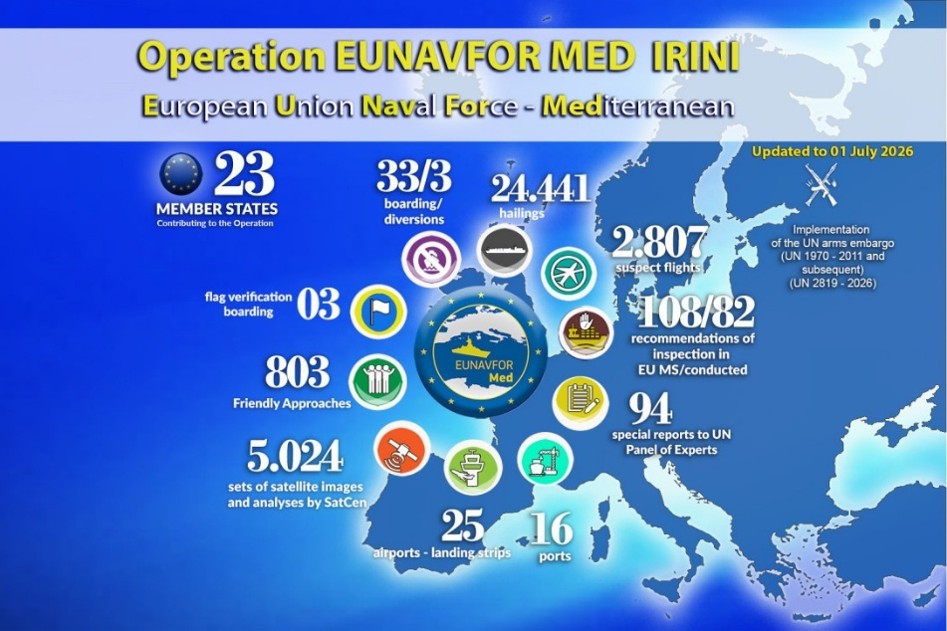
How the Operations Command Center Works
The Operational Headquarters (OHQ) is based in Rome and serves as the nerve center of the entire operation. It is here that operations are planned, information gathered from naval and air assets is analyzed, future missions are prepared, and the activities of all participating nations are coordinated.
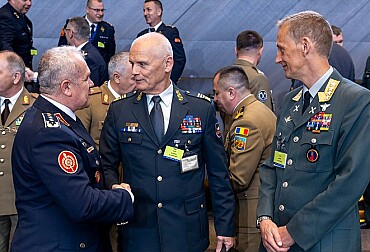
At first glance, the headquarters’ office environment may seem unremarkable. In reality, however, intense international cooperation takes place here every day. In addition to naval specialists, experts in intelligence, planning, logistics, personnel, legal affairs, medical support, and strategic communications serve here.
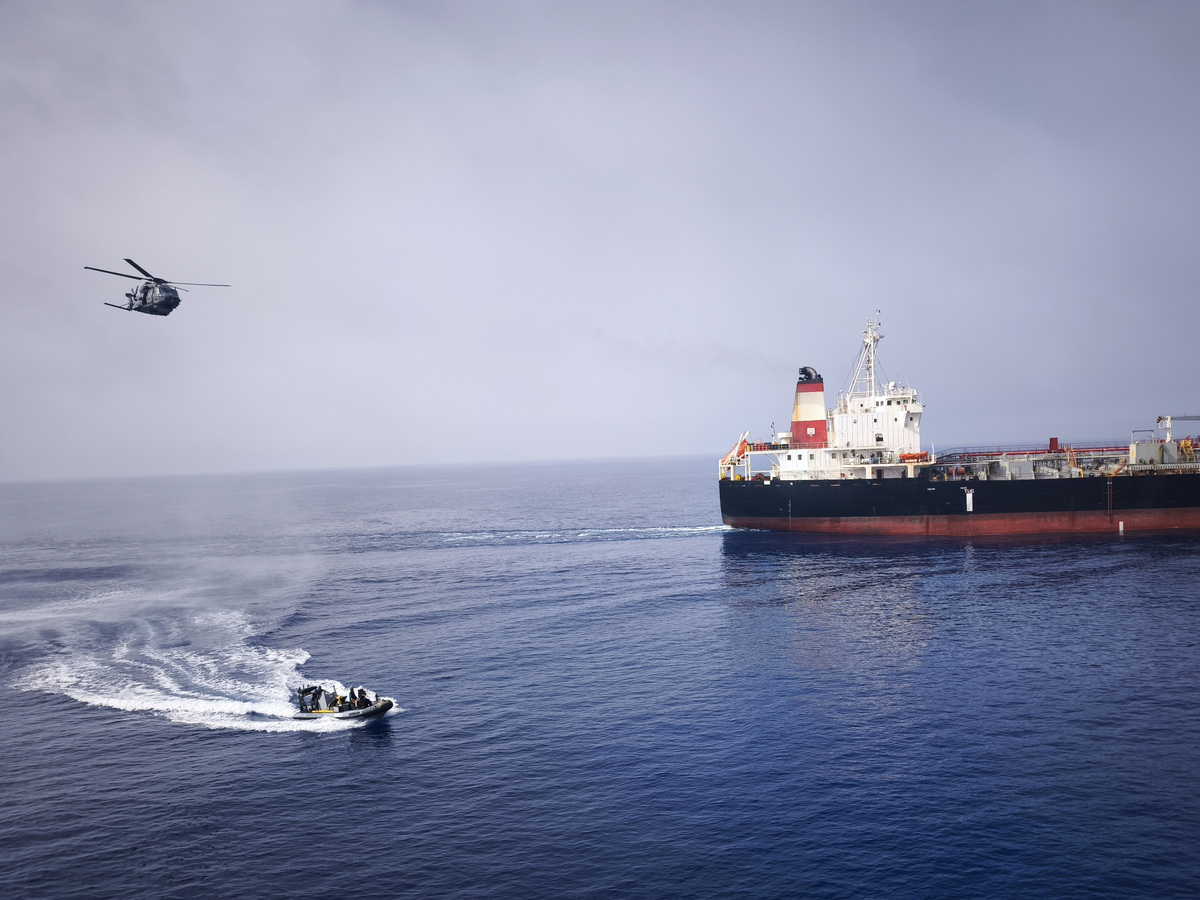
During my tenure, headquarters was simultaneously preparing for new tasks related to a more active use of the “Right of Visit” mechanism. At the same time, activities focused on training and capacity-building for Libyan security forces were being developed. Our day-to-day work thus clearly demonstrated that the future of the operation lies not only in maritime patrols but also in the long-term building of regional stability.
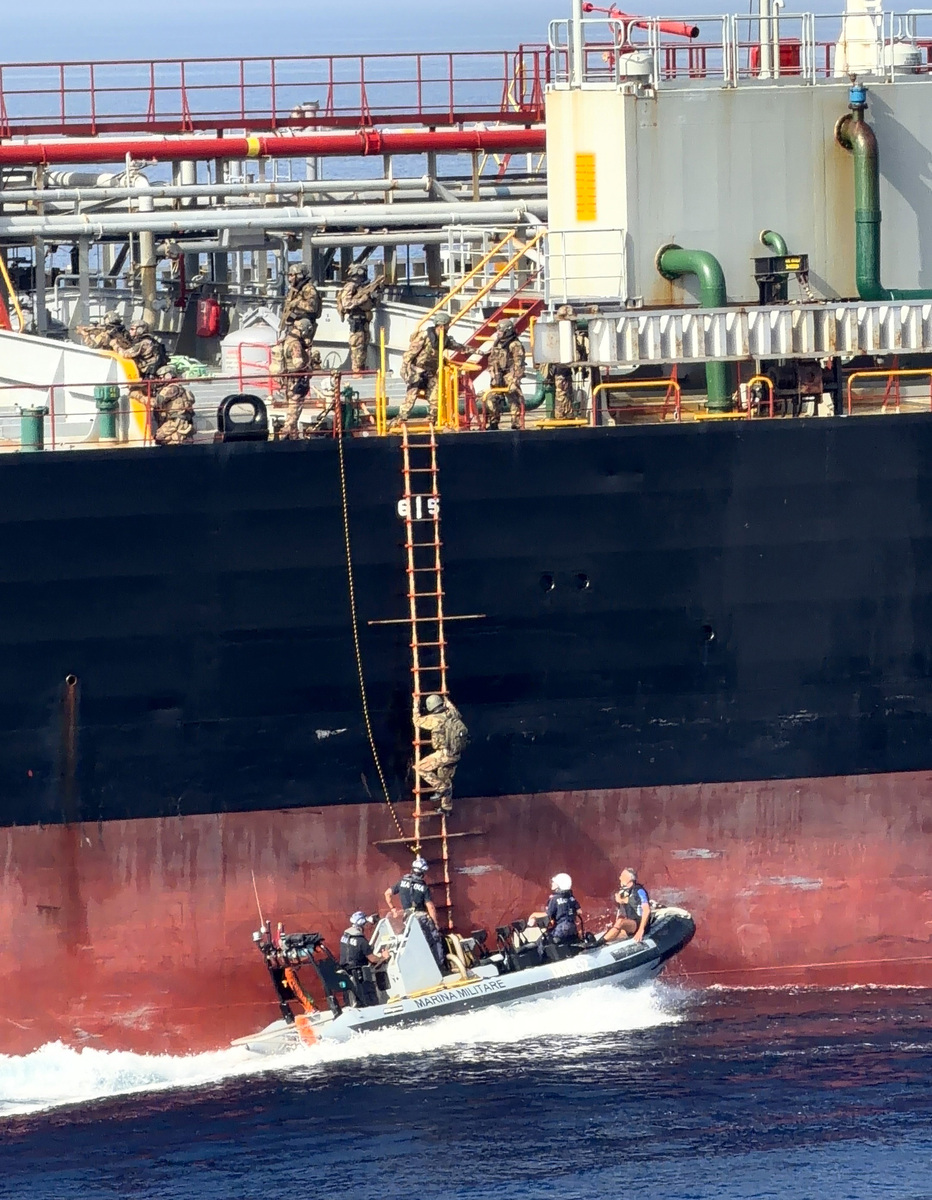
The Czech Republic as an Active Participant in the Operation
The Czech Republic is among the countries that have long participated in the operation through officers and specialists assigned to key staff positions. Czech soldiers served in various staff positions, from which they helped shape the day-to-day operations of the operational headquarters and contributed to the management of Operation IRINI.
Particular attention should be paid to the fact that Czech personnel gradually assumed certain responsibilities from their Irish colleagues, whose continued participation in the operation was being reassessed following the expiration of the UN mandate. This not only represented an increased workload but also served as confirmation of the high professional caliber of the Czech personnel. The Czech Republic’s participation is thus not merely formal. On the contrary, it involves active participation in the planning and management of the entire operation.
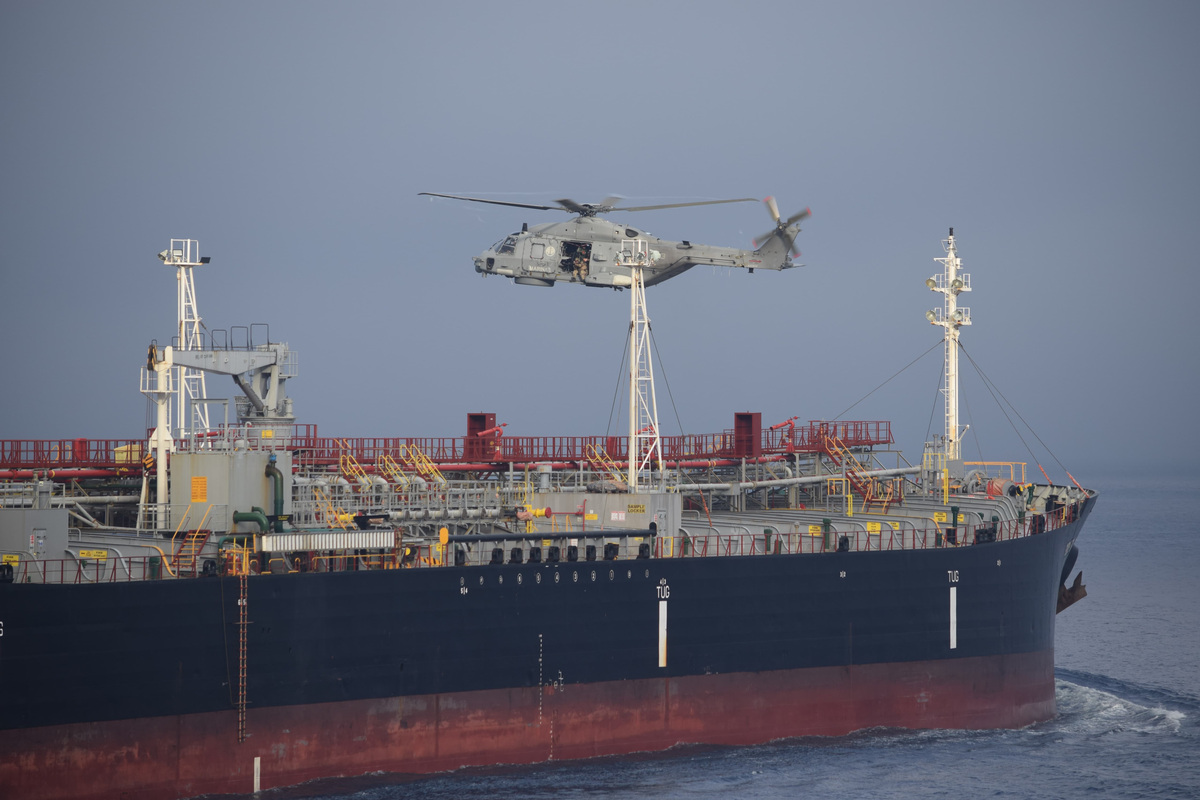
Military Diplomacy in Practice
The Czech contingent’s mission in Rome also has a less visible aspect. Members of the group are not only part of an international military operation, but they also represent the Czech Republic abroad.
The contingent maintains close ties with the Embassy of the Czech Republic in the Italian Republic and with the Embassy of the Czech Republic to the Holy See. This cooperation includes participation in social and commemorative events, support for the activities of the Czech community, and representing the Czech Republic on significant occasions.
A notable example was the contingent members’ participation in the ceremonial wreath-laying at the memorial plaque of Czechoslovak legionnaire Jan Čaloun in Rome and the subsequent meeting with the expatriate community organized by the Czech Embassy.
These activities demonstrate that the modern overseas mission of soldiers does not end at the gates of the barracks or the operational headquarters. In many cases, they become an important part of representing the Czech Republic abroad and contribute to strengthening its international relations.
Nepomucenum and the Czech Presence in Rome
Another significant aspect of the Czech contingent’s stay was its collaboration with the Pontifical College Nepomucenum, one of the most important Czech institutions in Rome, whose tradition dates back to the First Republic. The college’s students repeatedly demonstrated an extraordinary willingness to introduce Czech soldiers to the city’s history, its cultural heritage, and sites connected with Czech history. Thanks to their knowledge, it was possible to explore Rome in a way that an ordinary visitor would find difficult to discover.
This collaboration created an interesting connection between the military environment, diplomacy, education, and cultural tradition. At the same time, it served as a reminder that overseas missions are not merely about fulfilling operational tasks, but also represent an opportunity to expand one’s knowledge and build interpersonal relationships.
One example was the preparation for our contingent’s farewell party with colleagues from OHQ, when a nun from the institute took on the role of lead instructor in baking cookies and guided us through the entire process with a steady hand.
IRINI as a European Defense Laboratory
From the OHQ’s perspective, it is clear that the true significance of Operation IRINI extends far beyond Libya and the issue of the arms embargo. Today, the mission provides a unique environment in which the ability of European Union member states to jointly plan, manage, and execute military operations is put to the test on a daily basis. Officers from various countries work here according to common procedures, share experiences, and jointly resolve problems at the strategic, operational, and tactical levels.
It is here that experience is gained that will be of fundamental importance for the future development of European defense capabilities. The operation contributes to the harmonization of procedures, the building of trust among member states, and the creation of professional networks that can also be utilized in future European security projects.
IRINI can therefore be viewed not only as a crisis management tool but also as one of the fundamental building blocks of the evolving European defense architecture. Although it is formally focused on the maritime domain, its benefits extend to a much broader spectrum of military capabilities, ranging from planning and command to intelligence, logistics, and international cooperation.
Conclusion
Operation EUNAVFOR MED IRINI was launched in response to the security challenges posed by the conflict in Libya. After six years, however, it represents much more than just a mission focused on enforcing the arms embargo.
The year 2026 demonstrated that the European Union is prepared to assume greater responsibility for its own security and to continue the operation even after the expiration of the relevant UN Security Council mandate. At the same time, it was confirmed that the mission serves as a unique platform for developing European defense capabilities, deepening international cooperation, and gaining practical experience in a multinational environment.
For the Czech Republic, participation in the operation represents not only a contribution to international security but also an opportunity to actively shape the future of European defense, strengthen relations with allies, and represent our country with dignity abroad. In this regard, IRINI is not only an operation but also an investment in the future of European security.