
Russia Reportedly Refuses to Seek Return of Foreign Fighters Captured by Ukraine
Russia is reportedly not seeking the return of foreign nationals who fought on its side and were later captured by Ukraine, leaving many of them stranded in detention with uncertain prospects for release.
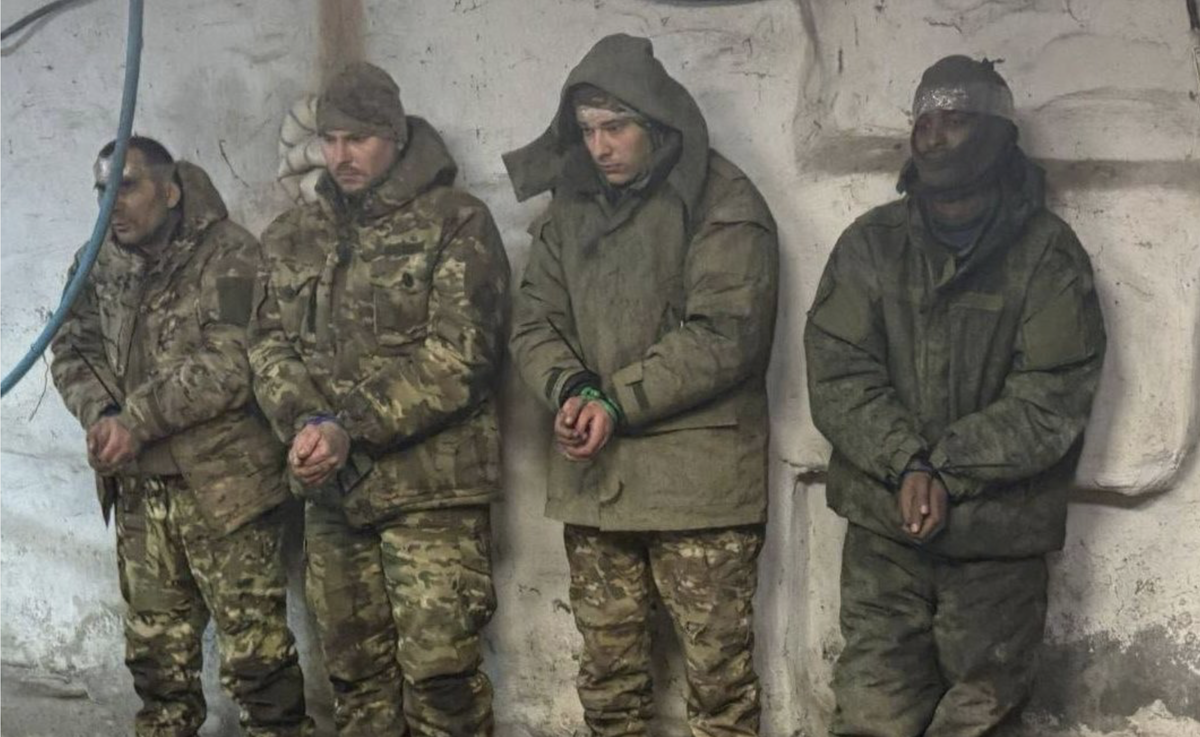
Le Monde reported that once these foreign fighters fell into Ukrainian captivity, Moscow declined to place them on prisoner-exchange lists. In practice, this has meant that Russia has shown little interest in securing their return, effectively excluding them from swap agreements with Ukraine.

The prisoners include citizens from countries across Africa, Asia, the Middle East, and Latin America who had signed contracts with Russia’s Ministry of Defense. Many were allegedly drawn into military service by promises of high salaries and the possibility of obtaining Russian citizenship.
As a result, a number of these foreign fighters have remained in Ukrainian detention facilities for extended periods, often with no clear path to release. Their situations are frequently more complicated than those of captured Russian servicemen. Some reportedly cannot return to their home countries because they lack the necessary documents, while others face indifference or limited support from authorities in their countries of origin.
According to the report, Ukrainian authorities are attempting to handle these prisoners in accordance with international humanitarian law. Even so, the legal and diplomatic complexities surrounding foreign nationals captured while serving in Russia’s forces have made their cases especially difficult.
The issue has become more visible as the number of foreign citizens serving in the Russian military has grown over the course of the war. Among those reportedly held by Ukraine are nationals of Nepal, Somalia, Yemen, Sri Lanka, and other countries.

Many of these recruits come from developing regions where economic hardship and limited job opportunities make offers of high pay particularly attractive. That vulnerability has reportedly played a major role in Russia’s ability to attract foreign manpower.
In late May 2026, Militarnyi reported that Ukrainian forces in the Kharkiv region killed a 34-year-old Nigerian national, Ayebusiva Olabode Victor, who had allegedly been recruited through a structured scheme designed to draw foreigners into Russia’s war effort. The report said he signed a contract with the Russian military just one week after the Nigerian government publicly expressed concern over the illegal recruitment of its citizens for participation in foreign armed conflicts.
The recruitment of foreigners into Russia’s military campaign is not a new development. Reports dating back to 2024 indicated that Russia was actively recruiting in several African countries, including Rwanda, Burundi, the Congo, and Uganda.
Together, these cases point to a broader pattern: foreign recruits are being used to reinforce Russia’s war effort, but once captured, many appear to be left in legal and diplomatic limbo. For those who entered the conflict in search of income or a new future, captivity may now bring a prolonged period of uncertainty with little sign that Moscow intends to bring them home.