
Satellite Evidence Suggests Russia Cannibalized Northern Defenses for Moscow and Crimea
Russia has pulled long-range air-defense systems away from the Severodvinsk area, weakening protection around two of its most sensitive naval-industrial sites: Sevmash and Zvezdochka. The move highlights a growing strain on Moscow’s ability to defend key military assets across multiple regions at once.
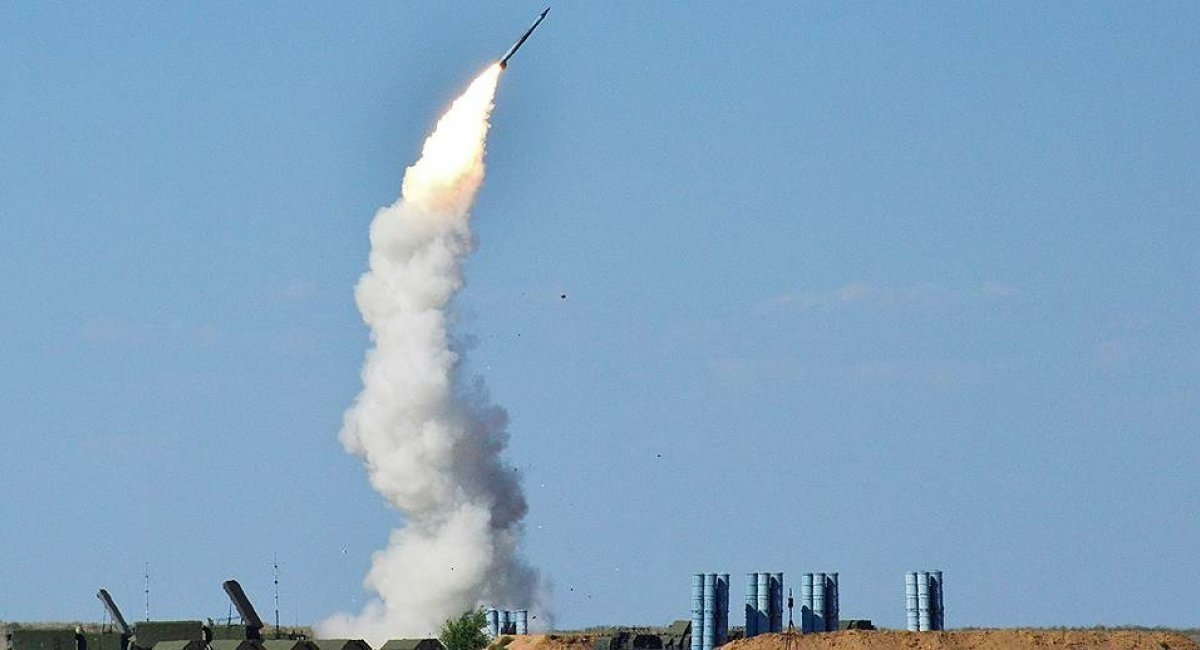
Satellite imagery reveals that 28 launchers for S-300 and S-400 surface-to-air missile systems were removed from positions that had guarded the shipyards. These defenses were located at Yagry North, Yagry Center, and Mironovy Gory, all near Severodvinsk, home to Sevmash and Zvezdochka.

The significance of this redeployment is hard to overstate. Sevmash is the only shipyard in Russia capable of building nuclear-powered submarines, making it central to the country’s strategic naval deterrent. Zvezdochka, meanwhile, is the largest Russian shipyard focused on the repair and overhaul of nuclear-powered naval vessels. By stripping air defenses from this area, Russia has accepted greater risk around infrastructure tied directly to its nuclear fleet.
The pattern shown in satellite imagery is striking. Yagry North still held six S-300 or S-400 launchers until mid-2024, but the site now appears abandoned. Yagry Center once hosted 14 launchers, yet none have remained there since 2025. At Mironovy Gory, eight launchers were visible in mid-2024, but current imagery shows that all of them have disappeared. Together, those changes point to a large-scale withdrawal rather than routine repositioning.
The systems are believed to have belonged to the 1528th Anti-Aircraft Missile Regiment, a formation within the 1st Air Defense Division of Russia’s 45th Air and Air Defense Army. This regiment had previously been subordinate to the Northern Fleet and is now believed to have been transferred to the Leningrad Military District. That organizational shift adds another sign that these assets were being reassigned in response to broader defense pressures.
One of the clearest indicators of where some of these systems may have gone comes from occupied Crimea. Public reporting indicates that the commander of one battalion from the 1528th Regiment was killed there on April 30, 2024, the same day Ukraine reported strikes on Russian military targets on the peninsula. While that does not serve as absolute proof of the regiment’s full redeployment, it strongly suggests that at least part of the unit was moved from Severodvinsk to occupied Crimea.

Moscow was likely another destination. As Russia’s most important strategic center, the capital remains the highest-priority area for layered air defense. It is therefore reasonable to assess that some of the S-300 and S-400 systems removed from the north were redirected to strengthen the shield around Moscow. That need appears especially urgent because even additional deployments, including an S-500 Prometey division and numerous Pantsir systems, have not fully stopped Ukrainian drones from penetrating the capital’s defenses.
At a broader level, the redeployment underscores a structural problem for the Russian military. Long-range air-defense assets are limited, expensive, and increasingly in demand across a wide battlespace. Russia must now protect frontline forces, occupied territories, major cities, strategic air bases, and critical naval infrastructure at the same time. The withdrawal from Severodvinsk suggests that it can no longer do so without making painful trade-offs.
That trade-off is revealing. To reinforce air defenses around Moscow and occupied Crimea, Russia appears willing to leave its most important submarine-building and nuclear-ship repair facilities with reduced cover. In military terms, this is more than a local adjustment. It is a sign of overstretch.