
Saudi Arabia Turns to Ukraine for a New Kind of Defense
Ukraine and Saudi Arabia have taken a significant step toward closer strategic relations by signing a new defense cooperation agreement, signaling a partnership that could expand into technology, investment, and security collaboration.
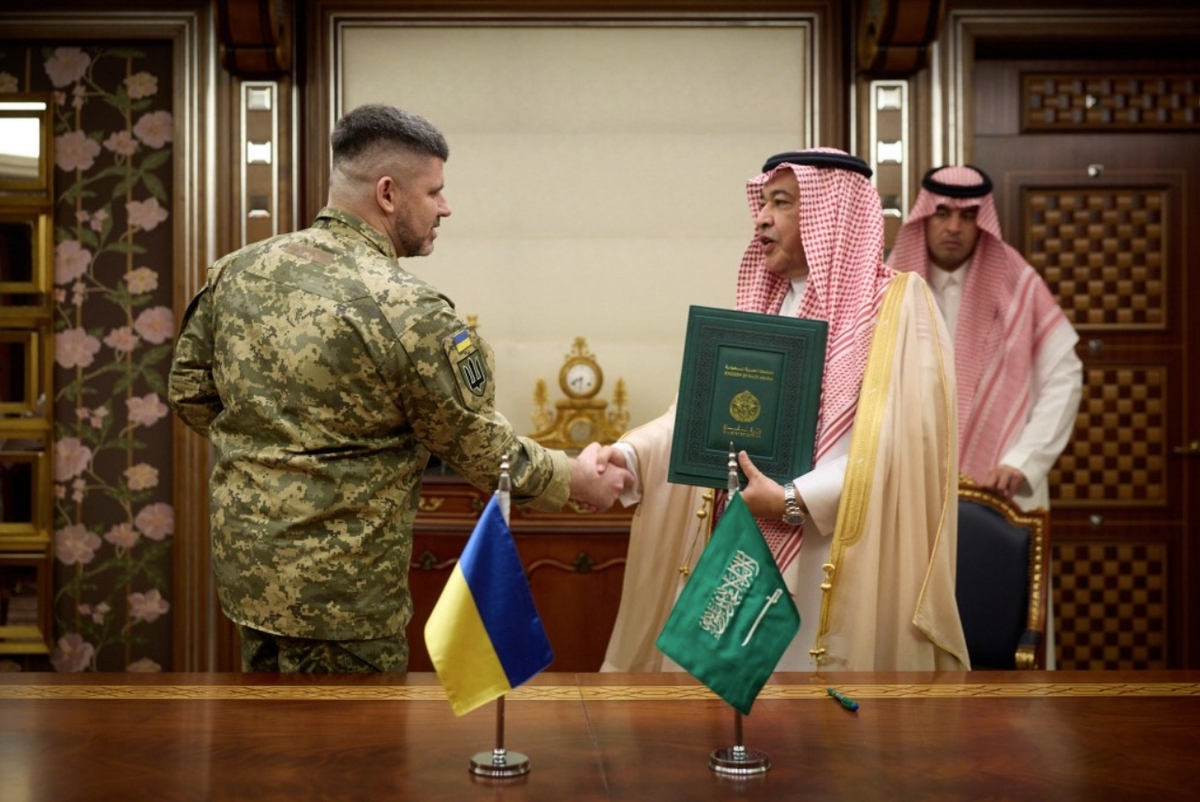
The agreement was signed between the defense ministries of both countries. During a visit to Jeddah, Ukrainian President Volodymyr Zelensky also held talks with Saudi Crown Prince Mohammed bin Salman, where the two leaders discussed how to build what was described as a mutually beneficial partnership.
Their discussions centered on practical ways to strengthen both countries, with particular attention given to defense capabilities and long-term cooperation. Zelensky emphasized that Kyiv is ready to work closely with partners that show support for Ukraine, saying that his country remains open to backing those who stand with it.
While the specific terms of the agreement have not been made public, the deal is said to create a framework for future contracts, technological cooperation, and investment projects. It also appears designed to reinforce Ukraine’s growing international image not only as a state defending itself in wartime, but also as a country able to export valuable security expertise.
One of the clearest signals from the agreement is Ukraine’s intention to help Saudi Arabia improve its ability to counter aerial threats. That promise is especially relevant given the security environment in the Gulf, where Saudi Arabia continues to face repeated drone attacks launched by Iran-backed groups.
This raises the strong possibility that the new cooperation will include anti-drone systems or interceptor technologies developed by Ukraine during the war. Ukrainian industry has gained rapid experience in detecting, tracking, and destroying hostile drones under real battlefield conditions, making its solutions especially attractive to countries dealing with similar threats.
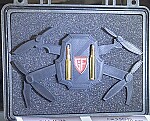
There has already been interest from Saudi industry in this area. Saudi Aramco, the kingdom’s energy giant, has previously been linked to possible interest in Ukrainian interceptor drones produced by SkyFall and Wild Hornets. If such cooperation moves forward, it could open the door to a wider defense-industrial relationship between the two countries.
For Ukraine, the agreement offers more than symbolic diplomatic value. It could bring investment, export opportunities, and a stronger foothold in the Middle East. For Saudi Arabia, it may provide access to combat-tested technology tailored to one of the most urgent challenges in modern warfare: defending critical infrastructure from low-cost aerial attacks.
The deal also reflects a broader shift in how Ukraine is positioning itself internationally. Rather than being seen only as a recipient of military aid, Kyiv is increasingly presenting itself as a provider of defense knowledge, practical innovation, and operational experience.
That makes the agreement with Saudi Arabia notable not just as a bilateral step, but as part of Ukraine’s wider push to turn wartime necessity into long-term strategic influence.