
The Balkans Call Again: Mandatory Military Service Returns to Croatia and Serbia
In October last year, the Croatian Parliament approved amendments to the laws on defense and service in the armed forces, reintroducing compulsory military service. This had been suspended in 2008. However, its new form differs significantly from the previous one. While at the beginning of the century, service applied to virtually all men who had just reached the age of majority and lasted six months, today conscripts are called up selectively and only for two months of basic training.
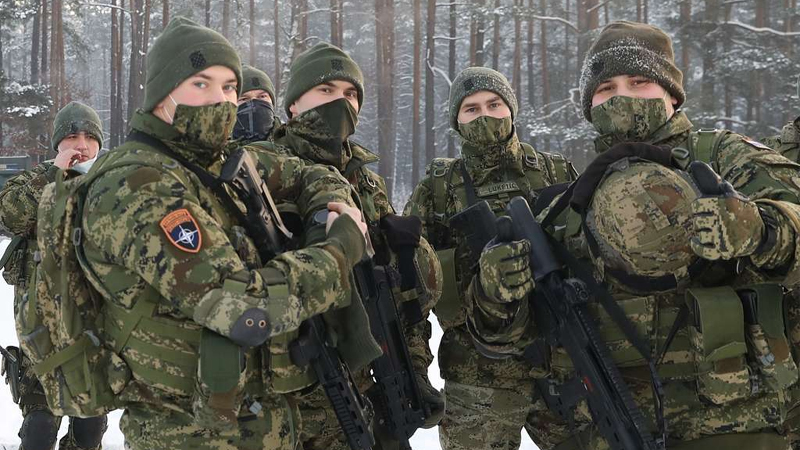
Croatian model of selective service
The introduction of this model was relatively easy. Croatia never stopped passively registering citizens for possible national defense purposes, and the army therefore has sufficient information about potential conscripts. Selective compulsory military service has the support of more than 70% of the population, and thanks to its very short duration, it has been accepted without significant resistance by the young population. This has minimized political disputes and kept the debate at a technical level, primarily on the question of whether such a short period of service will provide conscripts with sufficient training for rapid deployment in the event of a conflict.
As of January 1, 1,200 recruits had already been called up, and by the end of the year, the army expects to train 4,000 young men (or women on a voluntary basis). Conscripts receive a financial contribution of approximately €1,100; those who choose civilian alternative service for conscientious or religious reasons receive a lower remuneration and the duration is longer. After completing training, participants become part of the passive reserve; if interested, they can transfer to the active reserve.
Croatia cites similar reasons for introducing compulsory military service as other NATO member states. Long-time Prime Minister Andrej Plenković and Defense Minister Ivan Anušić emphasized the change in the security environment in Europe in connection with the war in Ukraine and the insufficient personnel capacity of the professional army. More specific outlines of the service began to emerge in the second half of 2023.
Serbian debate: tougher rhetoric, slower implementation
About a year before the debate on compulsory military service began in Croatia, similar plans began to emerge in neighboring Serbia. The justification also referred to the war in Ukraine and the overall change in the European security environment, but unlike Croatia, it focused more on the situation in the Balkans. This was particularly true in Kosovo, which Serbian officials have long presented as a potential security threat linked to the need to protect the Serbian minority. In Serbia, which is not a member of NATO, there is also a strong emphasis on the need to ensure its own security without outside help.
Croatia's actions did not elicit any official response from Serbia, but they did receive coverage in the Serbian media, where opinions were expressed that Croatia was starting an arms race. They pointed to the imbalance of power, with Croatia's western neighbor able to rely on its NATO allies and draw on their technology and know-how, while Serbia stands alone against potential enemies. For President Aleksandar Vučić and the ruling Serbian Progressive Party, Croatia's plans were a welcome source of legitimacy for their own considerations of introducing compulsory military service.
Although Serbian officials have been talking about compulsory military service for longer than their Croatian counterparts and their rhetoric is more aggressive, implementation has stalled. The legislation is not yet ready, and the expected start date has been postponed to the end of this year or the first half of next year. The service is expected to last two and a half months and, as in Croatia, provide conscripts with basic military training to make them usable reserves. Unlike the Croatian model, however, universal conscription is planned, which will affect most of the population of that age group. The Serbian population's acceptance of these plans is similar to that of the Croatian population, with over 75% of citizens agreeing with the reintroduction, while support among young people is approximately half that.

Is the war-torn Balkans of the 1990s returning?
The reinstatement of compulsory military service in the Western Balkans may raise concerns among outside observers about the militarization of this region, which has repeatedly proven to be conflict-prone in the past. At present, however, there seems to be no reason for such concerns. Since the 1990s, however, demographics have changed significantly: the population is older on average and faces massive migration, especially of young people, so any militancy tends to take the form of nostalgia and is less dynamic. Moreover, the younger generation has a better relationship with its Balkan neighbors than the older generation, which remembers the breakup of Yugoslavia.
The rhetoric of government officials remains factual and technical, with nationalist mobilization playing only a minor role. In addition, international organizations have a much more significant presence in the region—Croatia is a member of both the EU and NATO, so its involvement in armed conflict would be difficult to justify at the international level. Compulsory military service is therefore probably meant exactly as it is presented—as a defensive response to the deteriorating European security environment and the need to rejuvenate insufficient and aging reserves.