
Video: Ukraine Just Pulled Off a Devastating Multi-Layer Strike on russian Forces
Ukraine has carried out a carefully coordinated strike in the Zaporizhzhia direction, hitting multiple layers of russian battlefield infrastructure in a single operation. By targeting electronic warfare assets, air defense components, and a UAV command post in sequence, Ukrainian forces demonstrated a growing ability to dismantle enemy systems methodically rather than through isolated attacks.
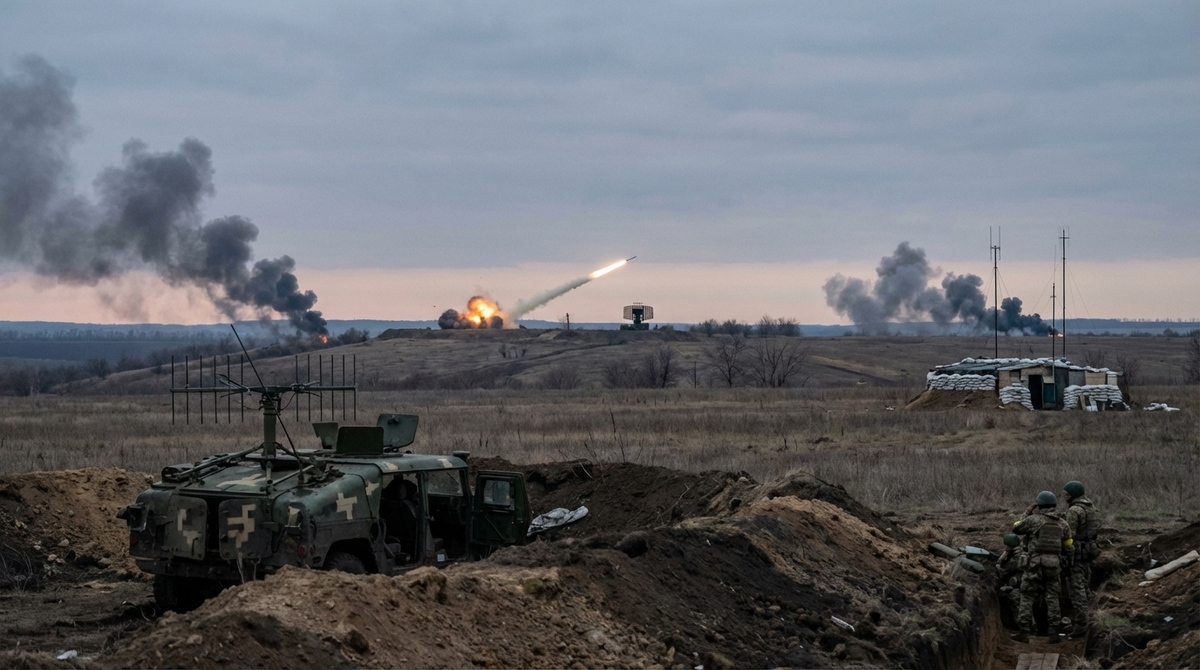
The operation brought together several branches of Ukraine’s defense structure, including National Guard units, the Air Force, and artillery reconnaissance. That level of coordination is significant in itself. It suggests a battlefield approach increasingly centered on shaping the operational environment before launching the next strike, with each step designed to make the following one more effective.
The first target was the russian Palantin electronic warfare system. Operators from the Lasar’s Group used drones to destroy the asset, removing a tool specifically intended to jam communications and suppress signals. Systems like Palantin are especially dangerous because they can blind, confuse, or isolate units in active combat zones. Eliminating it was not just a tactical success, but a move that helped restore breathing room for Ukrainian communications and targeting processes.
Once the electronic warfare layer had been weakened, the focus shifted to russian air defense. Supported by aerial reconnaissance from the 15th Brigade, the Lasar’s Group began hunting for S-300V components operating in the area. This phase relied heavily on intelligence gathering, analysis, and precise coordination. Ukrainian forces were able to locate critical positions and strike two of the system’s most important elements: a launcher and the multi-channel missile guidance radar.
These were not random targets. Both are essential to the S-300V’s combat effectiveness. Damaging or destroying them reduces the system’s ability to detect, track, and engage aerial threats. In practical terms, this meant weakening a shield that had been restricting Ukrainian aviation in the sector. For months, russian air defense pressure has complicated both reconnaissance flights and strike missions. By degrading that network, Ukrainian forces created a rare and valuable opening.
Ukraine’s Air Force then moved quickly to exploit the gap. With the immediate air defense threat reduced, aircraft were able to strike a russian UAV command post. That final hit carried clear operational value. Drone command centers play a central role in modern warfare, linking reconnaissance, targeting, and attack coordination. Destroying such a post can interrupt not only enemy observation, but also the speed and accuracy of its response.
What makes this operation stand out is not just the list of targets, but the logic behind the sequence. First, suppress electronic warfare. Then weaken air defense. Then use the resulting window to strike a command element supporting drone operations. It was a layered attack designed to unravel interconnected systems rather than merely damage isolated hardware.
The result is a strong example of how Ukraine is adapting its tactics in a war where coordination, timing, and precision often matter as much as firepower. In the Zaporizhzhia direction, this operation appears to have done more than destroy valuable equipment. It disrupted the architecture that allowed those systems to function together.
Oekraïne.
— Jan Debeil (@JanDebeil) April 10, 2026
De Lasar's Group НГУ voerde samen met de luchtmacht van de Oekraïense strijdkrachten een meerlaagse speciale operatie uit op de richting van Zaporizhzhia.
De eerste stap was het vernietigen van het Russische ECM-systeem 'Palantin' met behulp van 'Lazar'-drones.
De… pic.twitter.com/Qw72GcmJ3q