
Russia Is Reportedly Feeding Iran Intelligence on U.S. Forces - and the Implications Could Be Far Bigger Than Expected
A dangerous new dimension may be emerging in the confrontation between the United States and Iran.
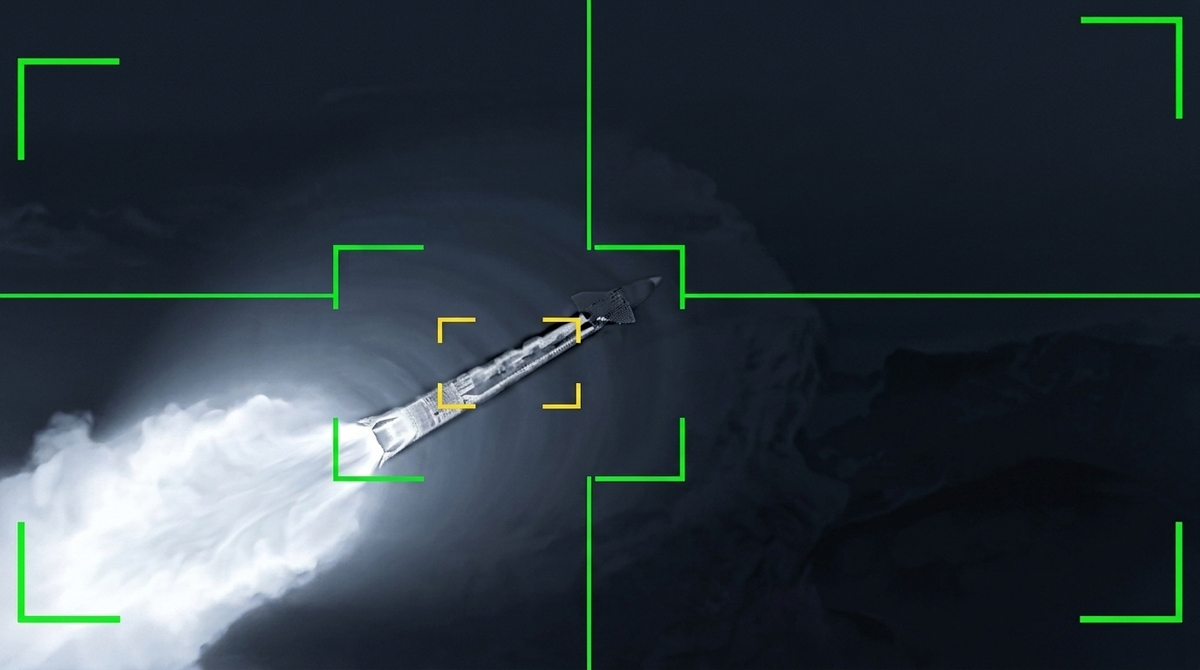
According to U.S. officials cited by The Washington Post, Russia has been providing Iran with intelligence about the location and movements of American military forces in the Middle East — including U.S. warships and aircraft. If confirmed, the development would mark a significant escalation in Moscow's involvement in the conflict. Russia would not be firing missiles at American forces itself, but its intelligence capabilities could potentially help Iran identify where U.S. targets are and when they are most vulnerable. The battlefield, in other words, may no longer be limited to missiles, drones and aircraft. It may also be a war of information.
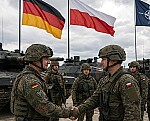
Moscow's Hidden Role
The reported Russian assistance is particularly significant because Iran's ability to track American forces independently is limited. Iran possesses only a small number of military satellites and does not operate a satellite constellation comparable to those maintained by the United States or Russia. That makes access to foreign intelligence potentially extremely valuable. U.S. officials told The Washington Post that Moscow had passed information concerning American military assets to Tehran.
The intelligence reportedly included the positions of U.S. warships and aircraft operating in the region. The exact scale of the cooperation remains unclear. But one U.S. official described the effort as appearing to be relatively comprehensive. That single assessment raises an uncomfortable question: How much of Iran's ability to locate and strike American targets could be connected to Russian intelligence? There is no public evidence establishing that every successful Iranian attack was enabled by Moscow. Yet the possibility itself is strategically important.
Why Intelligence Could Change the War
Modern warfare is not simply about who has the most missiles. It is about who can see the battlefield first. Knowing where an aircraft is flying, where a warship is positioned or where a command facility has been established can dramatically increase the effectiveness of an attack. Iran has already demonstrated an ability to target important military infrastructure, including command-and-control facilities and radar installations. Analysts cited by The Washington Post noted the precision of some Iranian strikes and Tehran's apparent ability to penetrate or overwhelm parts of U.S. and allied air defenses.
Russian intelligence could potentially make that task easier. Moscow has spent years developing surveillance and targeting capabilities while fighting its own war in Ukraine. The conflict has forced Russia to improve its ability to locate, track and strike targets across a huge battlefield. Those lessons could now have relevance far beyond Ukraine.

A Partnership Forged in the Shadow of Ukraine
The reported intelligence cooperation also has a much larger geopolitical background. Iran has become one of Russia's most important military partners during the war in Ukraine. Tehran has supplied Moscow with large numbers of one-way attack drones, technology and other forms of military support. Those drones have been used repeatedly against Ukrainian targets and have helped Russia place additional pressure on Ukrainian air defenses. Now, according to U.S. officials, Moscow may be returning the favor. The logic is straightforward.
Iran helped Russia develop and sustain its drone warfare capabilities. Russia now possesses intelligence and surveillance capabilities that could potentially help Iran locate American forces. The relationship is therefore evolving from a one-way supply chain into something much more complicated.
The Shadow of the Ukraine War
There is also a deeply personal element to Moscow's calculations. The United States has provided Ukraine with extensive military assistance and intelligence throughout Russia's full-scale invasion. American intelligence has helped Ukrainian forces identify and strike Russian positions.
From Moscow's perspective, supporting Iran could therefore be viewed not only as a way to strengthen a partner, but also as an opportunity to create problems for Washington. One U.S. official cited by The Washington Post suggested that Moscow may see the assistance as a form of payback for American support to Ukraine. At the same time, Russia appears to be avoiding direct participation in combat. That distinction is crucial.
Providing intelligence is one thing. Launching Russian aircraft or missiles against U.S. forces would represent an entirely different level of confrontation. For now, Moscow appears to be operating in the gray zone between neutrality and direct intervention.
Why Russia May Want the Conflict to Continue
There may be another reason for Moscow to assist Tehran. A prolonged confrontation between Washington and Iran could distract the United States from Ukraine. It could also consume American stocks of precision-guided weapons and air-defense interceptors — resources that Washington may otherwise be able to devote to other theaters. U.S. officials have already expressed concerns about the rapid consumption of precision weapons and defensive interceptors during the fighting.
There is also an economic dimension. A prolonged Middle Eastern conflict threatens global energy supplies and can drive oil prices higher. For Russia, one of the world's largest energy exporters, higher oil prices could provide an economic benefit while simultaneously increasing pressure on Western economies. That creates an unusual strategic equation. The longer the war lasts, the more difficult it could become for Washington. And that may be precisely what Moscow wants.
But Russia Is Not Entering the War
Despite the alarming reports, there is an important limit to Russia's involvement. There is no indication that Moscow has decided to openly fight the United States. Russian officials have publicly called for an end to the conflict, while the Kremlin has declined to comment on the specific intelligence allegations. Analysts also point out that Russia still considers Ukraine its primary strategic priority.
This suggests that Moscow is carefully balancing two competing goals. It wants Iran to remain capable of resisting American pressure. But it does not necessarily want to become a direct participant in a war against the United States. That is a dangerous but calculated position.
The Real Battlefield May Be Invisible
Perhaps the most important aspect of the reported Russian-Iranian cooperation is what it reveals about modern warfare. The decisive weapon may not always be a missile. Sometimes it is information.
- A satellite image.
- A radar signature.
- The movement of a carrier strike group.
- The location of an aircraft.
- A temporary command post.
Give an adversary that information at the right moment, and a battlefield thousands of miles away can suddenly become much more dangerous. That is why the allegations surrounding Russia's assistance to Iran matter so much. If Moscow is indeed helping Tehran track American forces, the United States may be facing more than an Iranian military campaign. It could be confronting a broader intelligence contest involving one of the world's most capable military powers. And that raises the most unsettling question of all: If Russia is willing to help Iran see American forces today, what else might Moscow be prepared to reveal tomorrow?