
The Unfired Enigma: Why an Unexploded Bomb in Lebanon Has Washington on Edge
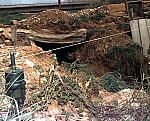
Beirut, a city no stranger to conflict, has once again found itself at the heart of a geopolitical conundrum – this time, centered around a silent, unexploded piece of modern warfare. Following a recent Israeli airstrike that eliminated Hezbollah commander Ali Tabatabai, a single unexploded GBU-39 bomb, designed and manufactured in the United States, has become a hot potato in the delicate dance of international relations.
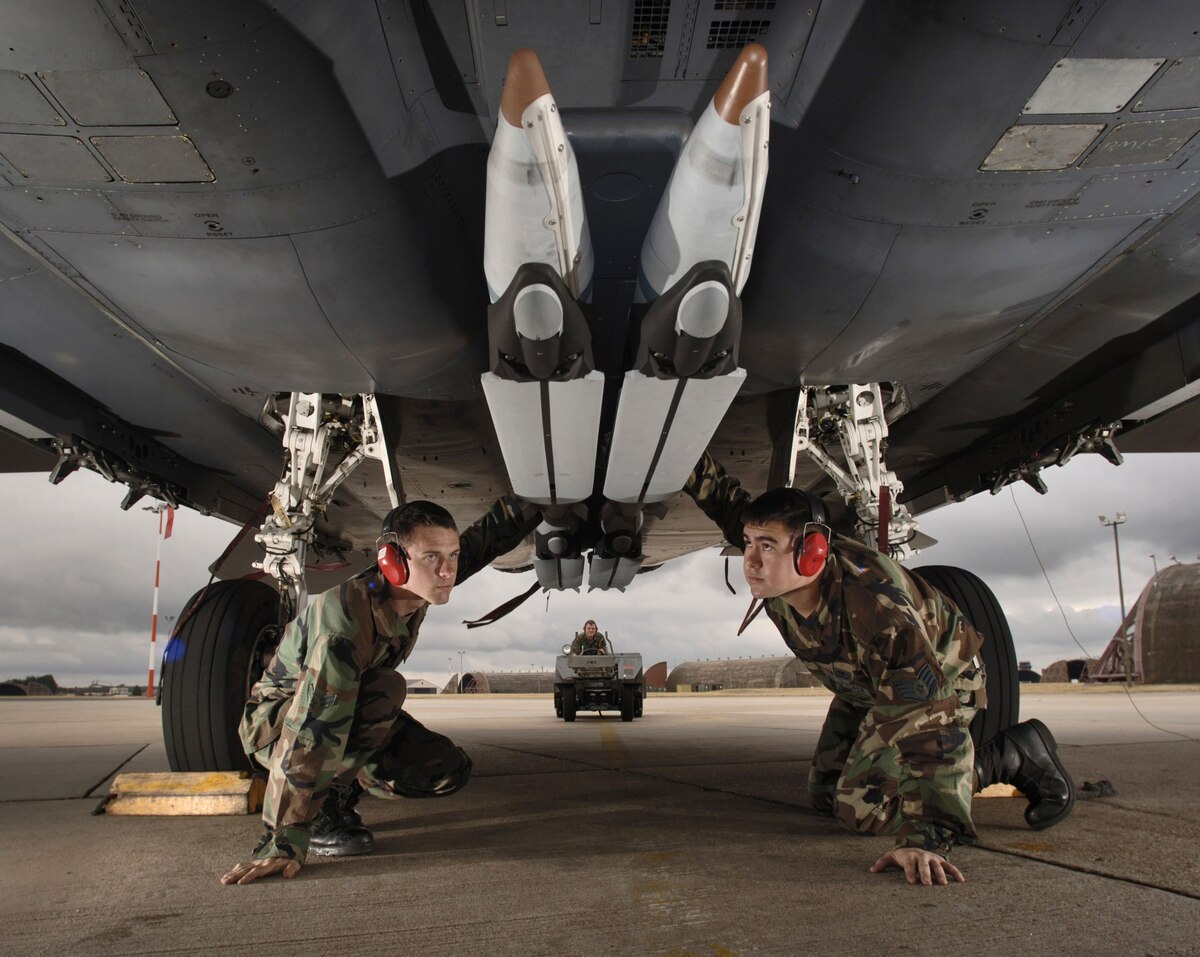
The incident, first reported by Lebanese media and subsequently picked up by The Jerusalem Post, reveals that the precision-guided munition failed to detonate, remaining intact on Lebanese soil. While the immediate aftermath of such a strike typically focuses on its intended target, this particular dud has triggered an urgent and unusual request from Washington to Lebanese authorities: return the unexploded bomb.

The concern expressed by American officials is profound and strategic. The GBU-39, a marvel of modern engineering by Boeing, represents a pinnacle of compact, high-precision warfare. Weighing approximately 110 kg, this glide bomb is equipped with folding wings, allowing it to soar up to an impressive 110 km without its own engine. Its GPS and inertial navigation systems boast an accuracy of up to one meter, making it a formidable tool for surgical strikes, even capable of penetrating robust concrete fortifications. Add to this its relatively modest cost of around $50,000 per unit – a bargain in the realm of advanced weaponry – and its strategic value becomes undeniable.
Washington's apprehension stems from the fear that these sophisticated technologies could fall into the wrong hands. The specter of Russia or China acquiring and reverse-engineering such a weapon system is a nightmare scenario for allied security. The embedded technologies within the GBU-39 are deemed of critical strategic importance, meant to remain exclusively within the control of US allies, ensuring a technological edge in an increasingly complex global landscape.
Lebanon, a nation often caught between regional powers, now faces a diplomatic tightrope walk. Its government has yet to issue an official response to the US demand, undoubtedly weighing the implications of complying versus the potential ramifications of refusing. Handing over the bomb could be seen as aligning too closely with Western interests, while retaining it risks alienating a key international player and potentially inciting further regional tensions.
As the unexploded GBU-39 lies dormant, it serves as more than just a failed munition; it's a tangible symbol of the high-stakes technological race and the intricate web of alliances and rivalries that define modern geopolitics. Its fate now hangs in the balance, a silent testament to the secrets it holds and the strategic concerns it ignites across the globe.