
Ukraine Says Russia Hid a Secret Biolab on an Island - And the Location Is Raising Alarms
Ukraine’s Defense Intelligence has alleged that Russia is operating a hidden military-linked biological laboratory on Lisy Island in the Tver region, raising concerns about experiments involving dangerous pathogens and the potential threat to nearby communities.
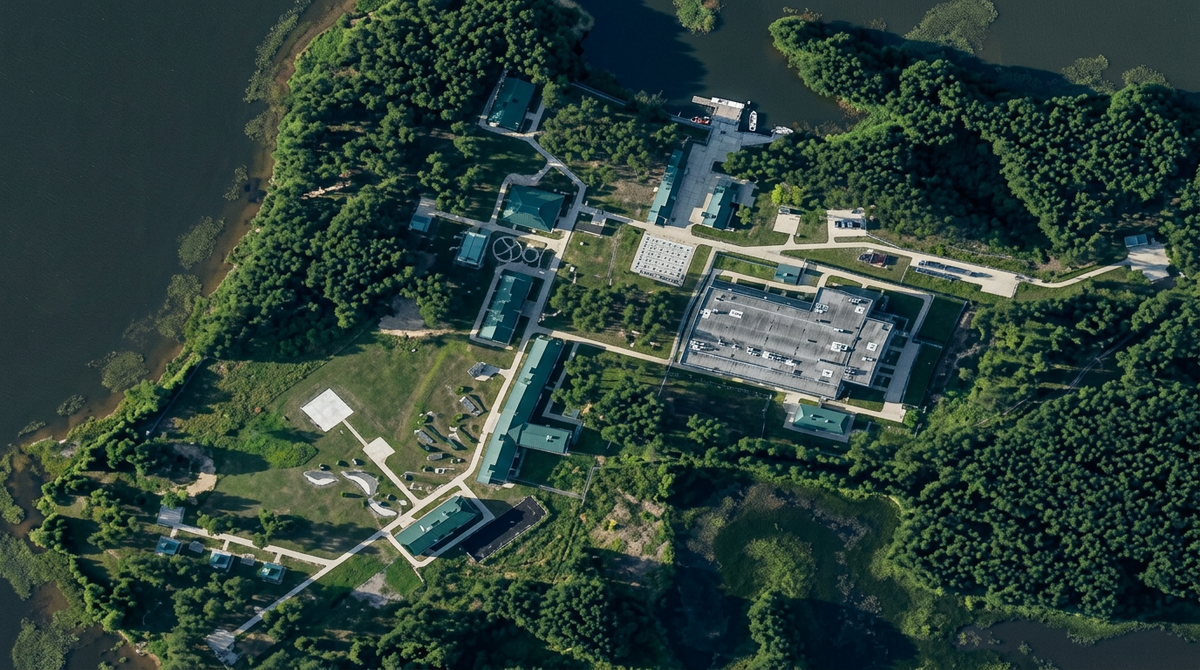
According to the Ukrainian intelligence report, the facility is officially presented as the Center for Experimental Physiology. It is located on an island in the Vyshnevolotsk Reservoir and is said to have been established by the Russian state under the cover of veterinary and physiological research.

However, Ukrainian officials claim the site’s real function is connected to Russia’s armed forces. They allege that researchers working at the facility conduct experiments involving viruses, bacteria, and other hazardous biological agents for military purposes.
The location of the alleged laboratory is a key concern. The Vyshnevolotsk Reservoir supplies fresh water to surrounding settlements, including the city of Vyshny Volochyok. It also feeds the Tvertsa River, which eventually flows into the Volga River. Because of this, any accidental leak of pathogens or toxic substances could potentially affect not only the immediate area but also a wider water system.
Ukraine’s Defense Intelligence warned that contamination from such a facility could create serious environmental and public-health risks. In the event of a laboratory accident, nearby residents could face exposure through water supplies or the surrounding ecosystem.
The agency also pointed to a foot-and-mouth disease outbreak among cattle in Russia in spring 2026. Ukrainian intelligence claimed Russian authorities attempted to conceal the outbreak from both the public and the international community. While the agency suggested that some such incidents could be linked to failed biological experiments, it did not provide direct evidence connecting the livestock disease outbreak to the Lisy Island facility.

The allegations add to long-standing concerns about the secrecy surrounding Russia’s military research infrastructure. If confirmed, the existence of such a laboratory near a major reservoir would raise questions about biological safety, environmental protection, and the risks of conducting military-linked pathogen research close to civilian water sources.
For now, the claims remain based on Ukraine’s intelligence assessment. No independent verification of the facility’s alleged military role or its connection to disease outbreaks has been presented publicly.