
Ukraine’s Storm Shadow Strike on Russia’s Proton Plant Targets a Key Link in Moscow’s Weapons Chain
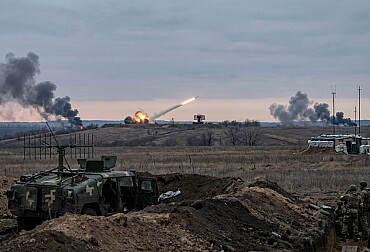
Ukraine has reportedly used Storm Shadow cruise missiles to strike the Proton plant in Oryol, Russia — a facility believed to be involved in producing electronic and optoelectronic components for the Russian defense industry.
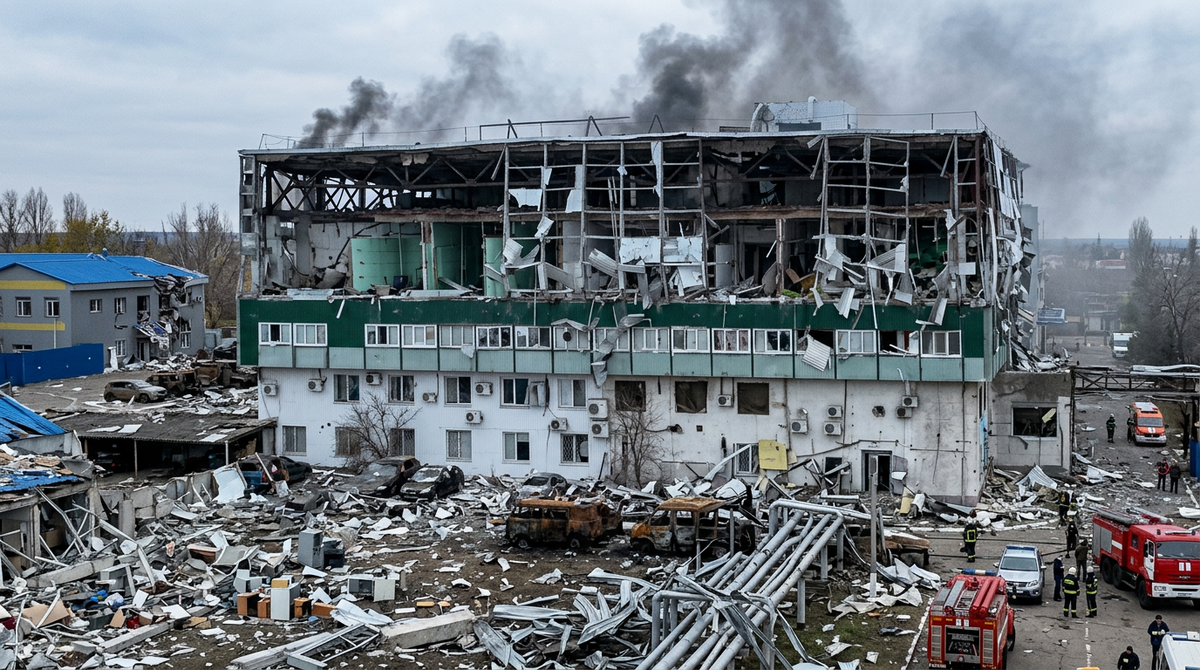
According to Ukraine’s Atesh partisan movement, the attack took place on October 23 and targeted a plant that supplies parts used in Russian military systems. While Proton is not a weapons assembly site in the traditional sense, its reported role in the production of specialized electronics makes it an important part of Russia’s broader military-industrial network.

Modern weapons depend heavily on components that are often less visible than missiles, launchers, or armored vehicles. Guidance systems, sensors, control units, optical devices, and other electronic elements are essential for the performance of advanced military platforms. Disrupting such production can create pressure far beyond a single factory.
The Proton plant is reportedly linked to components used in the Iskander-M ballistic missile system, which Russia has repeatedly used to strike targets in Ukraine. The facility’s products are also said to be used in the Pantsir-S1, a short-range air defense system combining missiles and automatic cannons.
If confirmed, the strike would show Ukraine’s continued focus on hitting not only Russian weapons on the battlefield, but also the industrial infrastructure that supports their production and maintenance. This approach aims to weaken Russia’s ability to sustain the war over time by targeting supply chains, repair capacity, and specialized manufacturing sites inside Russian territory.
However, the full impact of the attack remains unclear. Available information does not confirm which parts of the Proton facility were hit, whether key machinery was destroyed, or how seriously production was disrupted. Damage to an industrial site does not automatically mean long-term paralysis, especially if Russia is able to relocate production, use stored components, or switch to alternative suppliers.

Still, facilities producing advanced electronics are not always easy to replace. Sanctions, import restrictions, and pressure on Russia’s access to high-quality components have already complicated Moscow’s defense production. Even temporary disruptions can slow deliveries, increase costs, and force manufacturers to rely on lower-quality substitutes or more complex supply routes.
The Atesh movement also claimed that several dozen Russian employees were killed because the strike occurred during a shift change. This claim has not been independently confirmed and should be treated with caution until more evidence becomes available.
Strategically, the reported strike on Proton fits into a broader pattern. Ukraine has increasingly targeted Russian military logistics, fuel infrastructure, airfields, ammunition depots, and defense-related industrial sites. The goal is not only to respond to Russian attacks, but also to make it harder for Moscow to replace the weapons it loses or uses in large numbers.
The importance of the Oryol plant therefore lies less in its public visibility and more in its position inside Russia’s weapons supply chain. If Proton’s reported connection to Iskander-M and Pantsir-S1 components is accurate, the strike represents another attempt by Ukraine to hit the technological backbone of Russia’s war machine.
Whether the attack causes lasting disruption will depend on the scale of the damage, the availability of replacement components, and Russia’s ability to restore production. But the message is clear: Ukraine is increasingly reaching beyond the front line to target the systems that keep Russia’s military supplied.