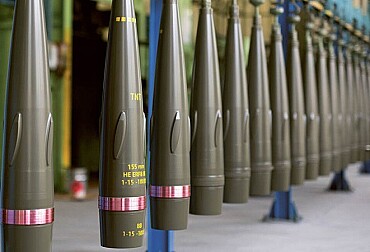

U.S. Approves $2.1 Billion Patriot Missile Sale for Ukraine, Funded by Allies
The United States has approved a potential $2.1 billion sale of Patriot air defense missiles to Ukraine, a move that could strengthen Kyiv’s ability to counter Russian missile and drone attacks at a time when Ukrainian officials have warned that their interceptor supplies are dangerously low.
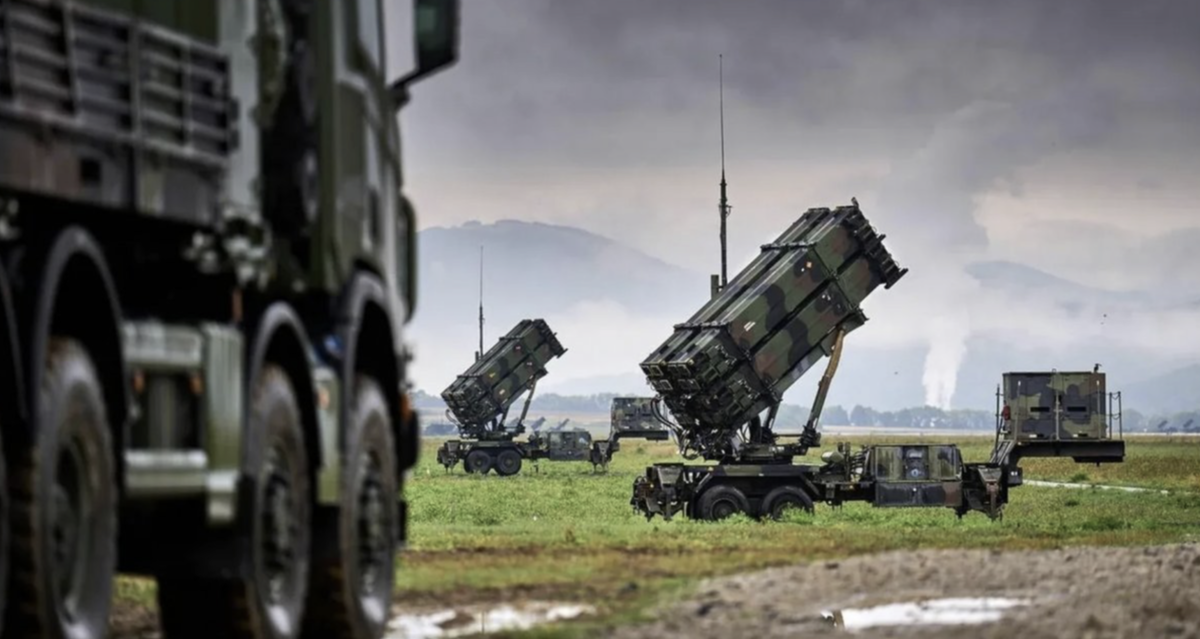
According to a State Department notification to Congress, Ukraine has requested 500 Patriot Advanced Capability-3 Missile Segment Enhancement missiles, commonly known as PAC-3 MSE interceptors. The package also includes classified and unclassified spare parts and related support.

Notably, the sale would not be paid for with U.S. funds. The State Department said the purchase would be financed “entirely by partners and allies,” including donations from Canada, Germany and Norway through the JUMPSTART program, as well as national funds backed by the European Union’s Ukraine Support Loan.
JUMPSTART, formally the Joint Ukrainian Multinational Program–Services, Training and Articles Rapid Timeline, was created in 2022 to allow third-party countries to help Ukraine purchase American-made defense equipment.
The approval comes as Ukraine continues to face heavy pressure from Russian aerial attacks. Patriot systems have become one of Kyiv’s most valuable defensive tools because they are capable of intercepting advanced ballistic and cruise missiles. However, the systems are only as effective as the supply of interceptors available to fire.
Ukrainian President Volodymyr Zelenskyy has previously said Ukraine needs roughly 350 Patriot interceptors per month to adequately defend its territory. Against that backdrop, a batch of 500 missiles would be significant — but it would not solve Ukraine’s long-term air defense challenge by itself.
The announcement also arrives amid reported friction between Kyiv and Washington over the pace of U.S. support. Recent reporting suggested that Patriot interceptor transfers had been delayed as relations between U.S. President Donald Trump and Zelenskyy deteriorated. CNN also reported earlier in October that Ukraine had run out of Patriot interceptors, increasing its exposure to Russian strikes.
Zelenskyy appeared to refer to the delays in a recent statement, saying there had been progress on Patriot missiles but that deliveries were moving too slowly.
“The issue of air defense remains,” he said. “There is progress on missiles for Patriot systems, but things are moving very slowly. More slowly than Russian missiles fly.”
He added that promises alone were not enough when Ukraine’s cities and infrastructure were under attack.
“You cannot say, ‘Yes, we will give the missiles to you,’ and then not deliver them for a month or two,” Zelenskyy said. “It simply does not work that way.”
The State Department framed the proposed sale as serving U.S. foreign policy and national security interests by improving the security of a partner country in Europe. The notification said the sale would help strengthen Ukraine’s ability to defend itself while supporting broader stability on the continent.
Still, the approval does not necessarily mean missiles will arrive immediately. Foreign Military Sales notifications are typically an early step in a longer process. Final contract terms, quantities, prices and delivery schedules can change during negotiations. Congress also has the ability to intervene, although major resistance appears less likely given continued bipartisan support for Ukraine in Washington.
For Kyiv, the key question is timing. Ukraine’s need for air defense is urgent, particularly as Russia continues using missiles and drones to target energy infrastructure, military facilities and civilian areas. Even a large future purchase may not fully address a short-term shortage if interceptors are not delivered quickly.
The Patriot system has played a central role in Ukraine’s defense since Western allies began providing advanced air defense equipment. While other systems can intercept drones and some cruise missiles, Patriot batteries are among the few tools Ukraine has for defending against more sophisticated ballistic missile threats.
That makes the 500-missile package strategically important. It also reflects a broader shift in how Ukraine’s defense is being funded. Rather than relying only on direct U.S. aid, European countries and other allies are increasingly financing purchases of American weapons for Kyiv.
This arrangement allows the United States to provide key defense technology while reducing the direct burden on U.S. taxpayers. It also gives European allies a more visible role in sustaining Ukraine’s military capabilities.
For Ukraine, however, the structure of the deal matters less than the speed of delivery. Air defense is not a symbolic issue for Kyiv; it is a daily operational requirement. Each delay can leave cities, power grids and military positions more vulnerable.
The proposed sale is therefore both a sign of allied commitment and a reminder of Ukraine’s dependence on a steady flow of Western-made interceptors. If completed and delivered quickly, the package could help restore part of Ukraine’s defensive capacity. If slowed by bureaucracy or political disputes, it may do little to ease the immediate pressure on Ukrainian air defenses.
The approval marks an important step, but not the final one. For Ukraine, the real measure of success will not be the dollar value of the package or the number listed in the notification. It will be whether Patriot interceptors arrive in time to meet Russia’s next wave of attacks.